
No products in the cart.


—
Introduction – Why the Right Mask Matters More Than Ever
Imagine you’re on the front lines of a busy emergency department. The air is thick with the hum of monitors, the scent of antiseptic, and the constant flow of patients—some stable, many not. In that high‑stakes environment, a single piece of equipment can be the difference between safe care and an outbreak: the mask.
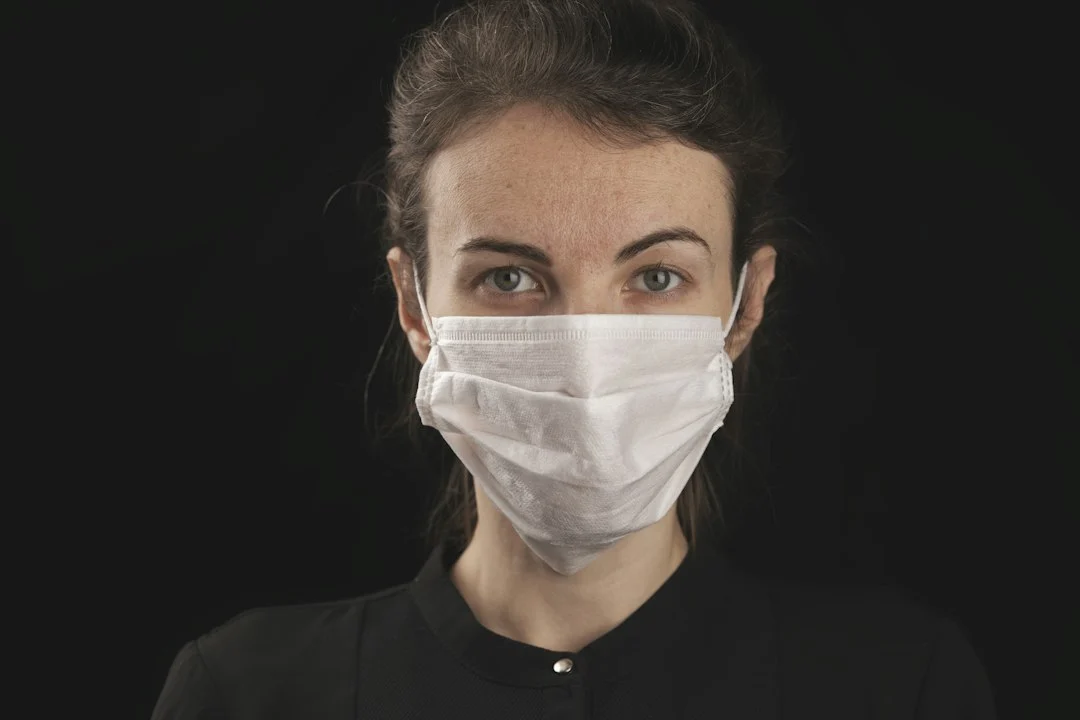
Since the COVID‑19 pandemic, “mask” has become a household word, but in healthcare the term carries far more nuance. From surgical masks that protect against splashes to N95 respirators that filter out airborne particles, each type serves a specific purpose. Understanding healthcare PPE (personal protective equipment) essentials—especially masks—helps you safeguard patients, colleagues, and yourself while staying compliant with ever‑evolving regulations.
In this 1,000‑word guide, we’ll break down the mask landscape, show you how to pick the right one, teach proper donning and doffing, and share practical tips for maintenance, reuse, and staying up‑to‑date with PPE guidelines. Let’s dive in!
—
1. Types of Healthcare Masks – Know Your Options
Choosing the right mask starts with knowing what’s available. Below is a quick reference to the most common healthcare PPE masks and when they’re recommended.
| Mask Type | Filtration Level | Primary Protection | Typical Use Cases |
|———–|——————|——————–|——————-|
| Surgical (Procedure) Mask | ASTM Level 1‑3 (≥95% bacterial filtration) | Large droplets, splashes, and low‑risk aerosol | General patient care, operating rooms, routine exams |
| N95/KN95 Respirator | ≥95% particles ≤0.3 µm (tight fit) | Airborne particles, viruses, bacteria, dust | COVID‑19, TB, influenza outbreaks, aerosol‑generating procedures |
| Powered Air‑Purifying Respirator (PAPR) | ≥99% (HEPA) | Highest filtration, low breathing resistance | High‑risk infectious disease, oncology, burn units |
| Reusable Cloth Mask (Medical‑Grade) | Variable (often 50‑80% filtration) | Source control, low‑risk settings | Community health workers, non‑clinical staff |
| Face Shield (Supplement) | No filtration (protects eyes & face) | Splash protection, reduces mask contamination | Surgery, dental procedures, triage stations |
Actionable Tip: Keep a printable chart of these mask types in your staff break room. A quick visual reminder can reduce the chance of grabbing the wrong mask during a busy shift.
—
2. Selecting the Right Mask for Your Clinical Setting
Even with a solid understanding of mask categories, the “right” choice hinges on three core factors: risk level, fit, and regulatory compliance.
2.1 Assess the Exposure Risk
| Situation | Recommended Mask |
|———–|——————|
| Routine bedside care (no aerosol) | Surgical mask (ASTM Level 2) |
| Intubation, bronchoscopy, sputum induction | N95 respirator (fit‑tested) |
| Managing patients with confirmed airborne disease (e.g., TB) | N95 or PAPR |
| High‑temperature environments (e.g., burn unit) | PAPR (provides cooling) |
| Non‑clinical staff in common areas | Surgical mask or medical‑grade cloth mask |
2.2 Fit Is Everything
A mask that doesn’t seal properly is essentially useless. For respirators (N95/KN95), fit testing—either qualitative (taste/scent) or quantitative (particle count)—is mandatory in most facilities.
Quick Fit‑Check Checklist:
1. Nose bridge: Pinch the metal strip; the mask should stay snug.
2. Side seals: Place both hands on the mask edges and exhale sharply—feel for air leaks.
3. Comfort: You should be able to speak without the mask shifting.
If any of these steps fail, try a different size or model. Most manufacturers offer small, medium, and large options.
2.3 Align With Guidelines
Regulatory bodies such as the CDC, WHO, and OSHA regularly update PPE recommendations. Keep a bookmarked link to the latest PPE guidelines for healthcare workers and schedule quarterly reviews during staff meetings.
Actionable Tip: Assign a “PPE Champion” on each unit to monitor guideline changes and disseminate updates via a quick email digest.
—
3. Proper Donning and Doffing – The 5‑Step Safety Protocol
Even the best mask fails if you put it on or take it off incorrectly. Follow this streamlined, evidence‑based protocol to minimize self‑contamination.
3.1 Donning (Putting On)
1. Perform Hand Hygiene – Wash hands with soap and water for 20 seconds or use an alcohol‑based sanitizer.
2. Inspect the Mask – Check for tears, moisture, or compromised straps.
3. Secure the Mask –
– Surgical Mask: Place the ear loops, then mold the nose bridge.
– N95/KN95: Position the headband, pull the lower strap over the head, then the upper strap.
4. Fit Check – Perform the seal check (as described in Section 2.2).
5. Final Hand Hygiene – Re‑sanitize your hands after adjusting the mask.
3.2 Doffing (Removing)
1. Avoid Touching the Front – Grasp only the straps or ear loops.
2. Remove in Sequence –
– N95: First lower strap, then upper strap, pulling the mask away from your face.
– Surgical: Remove ear loops, turning the mask inside out as you discard it.
3. Hand Hygiene Immediately – Disinfect hands before touching anything else.
4. Dispose or Store – Follow facility policy:
– Disposable masks: Place in a biohazard container.
– Reusable masks: Store in a designated breathable pouch for later cleaning.
Actionable Tip: Post a laminated “Don/Doff Steps” poster at each PPE station. Visual cues dramatically improve compliance.
—
4. Maintenance, Reuse, and Disposal – Extending the Life of Your Masks
While many masks are single‑use, supply chain pressures and sustainability goals have pushed hospitals to explore safe reuse strategies.
4.1 Disposable Surgical Masks
- Maximum Use: One patient encounter or 4 hours of continuous wear, whichever comes first.
- Disposal: Place in a Level B biohazard bag; do not attempt to recycle.
- Authorized Decontamination Methods:
- Inspection Before Each Use: Look for strap elasticity, nosepiece integrity, and any discoloration.
- Washing Protocol:
- Frequency: Replace after 30 washes or if the fabric thins.
- Quarterly Refresher Courses – Include hands‑on fit testing, donning/doffing drills, and updates on mask innovations (e.g., elastomeric respirators).
- Micro‑Learning Modules – 5‑minute videos posted on the intranet can reinforce key concepts without pulling staff away from patient care.
- Conduct random spot‑checks during shifts to assess mask selection, fit, and compliance.
- Use a simple scoring sheet: Mask type correct? Fit check performed? Hand hygiene observed?
4.2 Reusable N95 Respirators
– Vaporized Hydrogen Peroxide (VHP) – FDA‑cleared for up to 20 cycles.
– UV‑C Light – Minimum 1 J/cm² dose; track exposure time.
– Moist Heat (70 °C, 50% RH) – 30‑minute cycle, up to 5 reuses.
4.3 Cloth Masks (Medical‑Grade)
1. Pre‑soak in hot water (≥60 °C) with detergent.
2. Machine wash on a hot cycle (≥60 °C).
3. Dry on high heat for at least 30 minutes.
4.4 Record‑Keeping
Maintain a PPE Log Sheet for each respirator batch, noting decontamination dates, cycles, and inspection results. This simple spreadsheet helps avoid over‑reuse and ensures compliance with OSHA’s Respiratory Protection Standard (29 CFR 1910.134).
Actionable Tip: Use color‑coded tags (green = good, yellow = needs inspection, red = discard) attached to each mask’s strap for quick visual status checks.
—
5. Staying Current – Training, Audits, and Continuous Improvement
The PPE landscape evolves as new pathogens emerge and technology advances. A proactive approach keeps your team ready.
5.1 Regular Training Sessions
5.2 PPE Audits
5.3 Feedback Loop
Encourage staff to report mask shortages, discomfort, or fit issues via an anonymous digital form. Analyze trends monthly and adjust procurement or training accordingly.
Actionable Tip: Celebrate “PPE Excellence” winners each month—recognition boosts morale and reinforces best practices.
—
Conclusion – Key Takeaways for Mask Mastery
1. Know Your Masks: Surgical masks, N95/KN95 respirators, PAPRs, and medical‑grade cloth masks each serve distinct protection levels.
2. Match Mask to Risk: Conduct a quick risk assessment—routine care vs. aerosol‑generating procedures—to select the appropriate PPE.
3. Fit First: A proper seal is non‑negotiable; perform fit checks every time you don a respirator.
4. Follow the 5‑Step Don/Doff Protocol: Hand hygiene, careful handling, and immediate disposal or storage prevent self‑contamination.
5. Maintain & Track: Use approved decontamination methods for reusable masks, inspect before each use, and keep detailed logs.
6. Stay Updated: Regular training, audits, and a clear feedback channel keep your team aligned with the latest healthcare PPE guidelines.
By integrating these actionable steps into daily practice, you’ll protect not only your patients but also the entire healthcare workforce. Remember—when it comes to masks, the right choice, the right fit, and the right routine can make all the difference in delivering safe, high‑quality care.
—
Ready to upgrade your PPE program? Start by printing the mask‑type chart and posting it at every donning station today. Your team—and your patients—will thank you.