
No products in the cart.


As we go about our daily jobs, it’s easy to overlook the importance of personal protective equipment (PPE) in preventing injuries and illnesses. However, the reality is that workplace hazards are more common than we think, and the consequences of not wearing proper PPE can be severe. In fact, according to the Occupational Safety and Health Administration (OSHA), thousands of workers are injured or killed on the job every year due to lack of proper protective gear. In this comprehensive guide, we’ll delve into the world of personal protective equipment, exploring its significance, types, and how to choose the right gear for your workplace.
Understanding the Importance of Personal Protective Equipment
Personal protective equipment is designed to protect workers from workplace hazards, such as physical, chemical, and biological agents. PPE can include a wide range of items, from hard hats and safety glasses to gloves and respirators. The primary goal of PPE is to reduce the risk of injury or illness by creating a barrier between the worker and the hazard. This not only ensures the safety and well-being of employees but also helps employers avoid costly workers’ compensation claims and lost productivity. Moreover, wearing PPE can also boost employee morale and confidence, as workers feel more secure and protected on the job.
When it comes to PPE, it’s essential to understand the hierarchy of control, which prioritizes elimination, substitution, engineering controls, administrative controls, and finally, personal protective equipment. While PPE is a crucial last line of defense, it’s equally important to address workplace hazards at their root cause. By conducting regular risk assessments and implementing control measures, employers can minimize the need for PPE and create a safer work environment. Some common workplace hazards that require PPE include falls, electrical hazards, chemical exposure, and noise pollution.
Types of Personal Protective Equipment
With so many types of PPE available, it can be overwhelming to choose the right gear for your workplace. Here are some of the most common types of PPE:
- Head Protection: Hard hats, bump caps, and safety helmets protect workers from falling objects, electrical hazards, and head injuries.
- Eye and Face Protection: Safety glasses, goggles, face shields, and welding helmets safeguard workers from chemical splashes, flying particles, and other eye hazards.
- Hearing Protection: Earplugs, earmuffs, and hearing bands prevent noise-induced hearing loss and tinnitus.
- Hand and Arm Protection: Gloves, gauntlets, and arm guards protect workers from cuts, abrasions, and chemical exposure.
- Respiratory Protection: Respirators, masks, and breathing apparatuses shield workers from airborne contaminants, such as dust, fumes, and gases.
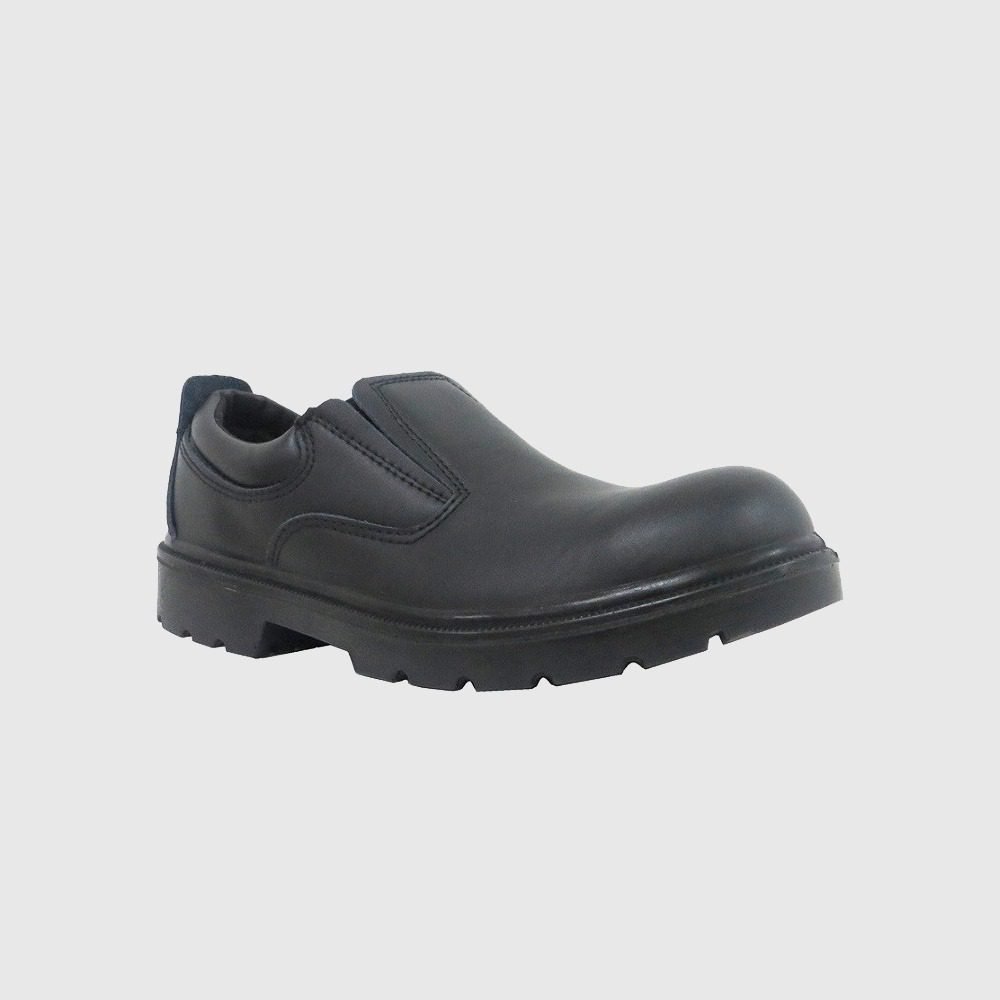
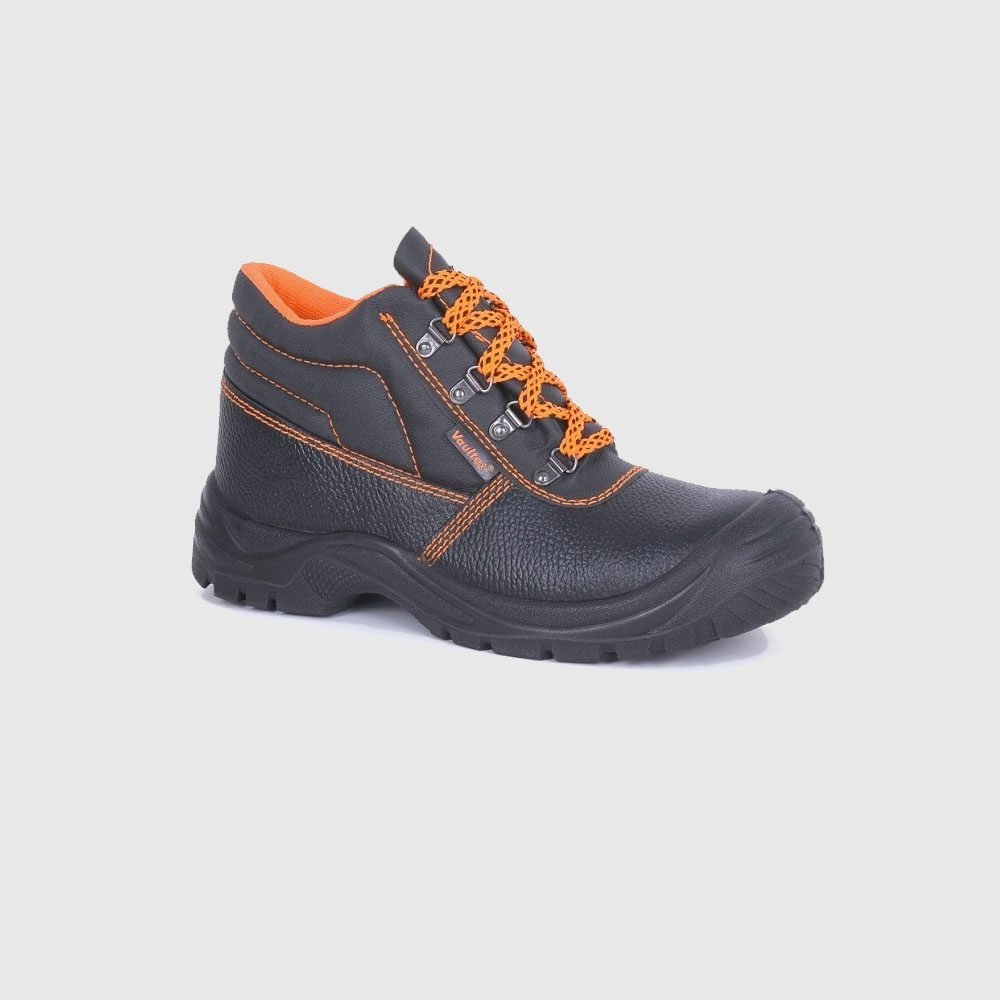
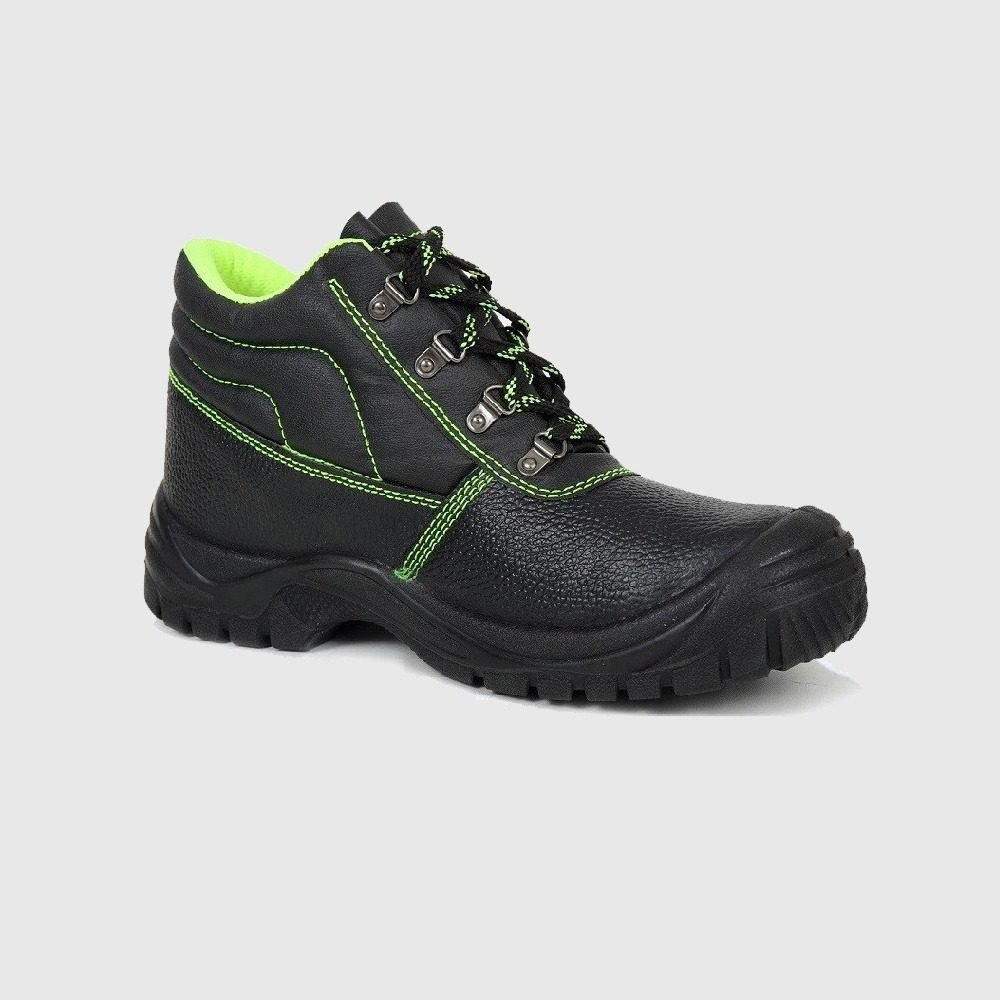
- Foot and Leg Protection: Safety boots, shoes, and leg guards prevent injuries from heavy objects, sharp edges, and slippery surfaces.
- Conduct a Hazard Assessment: Identify the specific hazards present in your workplace and determine the level of protection required.
- Consult Industry Standards: Familiarize yourself with industry standards, such as OSHA regulations, ANSI guidelines, and NFPA recommendations.
- Consider Worker Comfort: Choose PPE that is comfortable, well-fitting, and doesn’t compromise worker mobility or visibility.
- Evaluate Durability and Maintenance: Select PPE that is durable, easy to maintain, and can withstand the rigors of your work environment.
- Train Workers: Ensure that workers are properly trained on the use, care, and maintenance of PPE to guarantee its effectiveness.
- Develop a PPE Policy: Create a comprehensive policy that outlines the use, care, and maintenance of PPE in your workplace.
- Conduct Regular Training: Provide regular training and education on PPE use, hazards, and risks.
- Monitor and Evaluate: Regularly monitor and evaluate the effectiveness of your PPE program, making adjustments as needed.
- Involve Workers: Encourage worker participation and feedback to ensure that PPE is comfortable, effective, and meets their needs.
- Review and Update: Regularly review and update your PPE program to ensure compliance with industry standards and regulations.
When selecting PPE, it’s crucial to consider the specific hazards present in your workplace and choose gear that meets or exceeds industry standards. Employers should also ensure that PPE is properly fitted, maintained, and regularly inspected to guarantee its effectiveness.
Choosing the Right Personal Protective Equipment
With so many PPE options available, choosing the right gear can be a daunting task. Here are some tips to help you make an informed decision:
By following these guidelines, employers can create a safe and healthy work environment, reduce the risk of workplace injuries and illnesses, and promote a culture of safety and well-being.
Implementing a Personal Protective Equipment Program
Implementing a PPE program requires a strategic approach that involves employers, workers, and suppliers. Here are some steps to help you establish a successful PPE program:
By following these steps, employers can create a robust PPE program that protects workers, reduces injuries and illnesses, and promotes a culture of safety and responsibility.
In conclusion, personal protective equipment is a vital component of workplace safety, and its importance cannot be overstated. By understanding the significance of PPE, selecting the right gear, and implementing a comprehensive PPE program, employers can create a safe and healthy work environment that benefits both workers and the organization as a whole. Remember, PPE is not just a regulatory requirement – it’s a vital investment in the well-being and safety of your employees. By prioritizing PPE, you can reduce workplace hazards, prevent injuries and illnesses, and promote a culture of safety and responsibility that benefits everyone. So, take the first step today and make PPE a top priority in your workplace. Your workers – and your business – will thank you.