
No products in the cart.
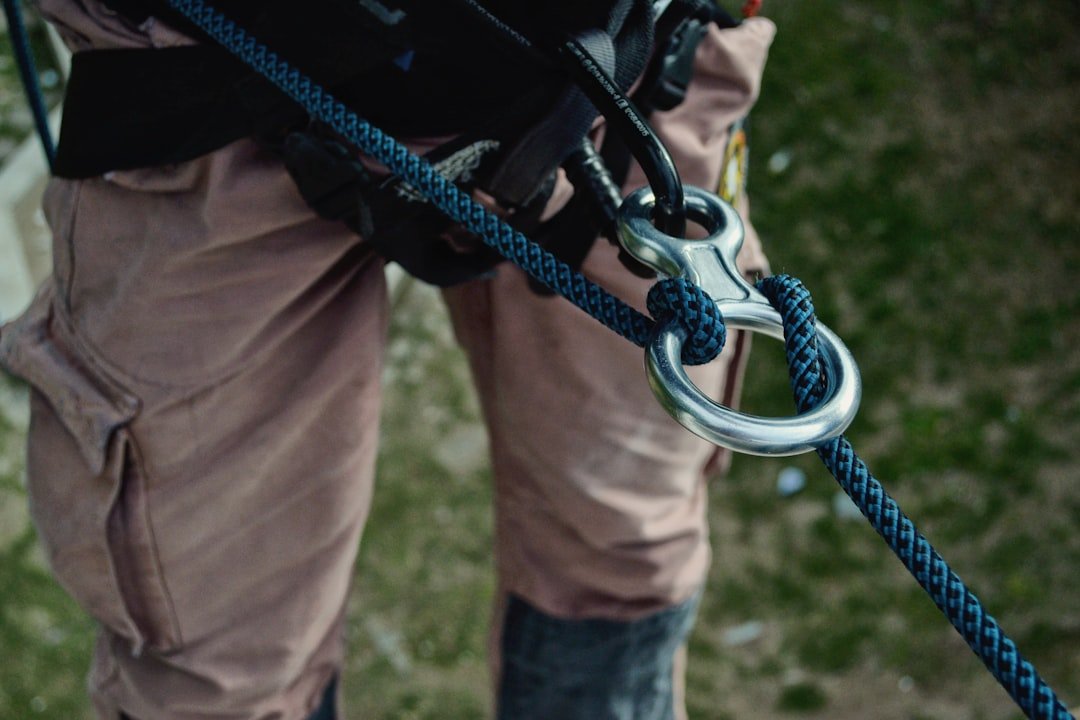
As you step onto a construction site, climb a ladder, or work at heights, you can’t help but think about the risks involved. A single misstep or loss of balance can lead to severe injuries or even fatalities. That’s why personal protective equipment (PPE) is essential for workers in high-risk industries. Two crucial pieces of PPE are work positioning belts and full body harnesses. While both are designed to keep you safe, they serve different purposes and offer distinct benefits. In this post, we’ll delve into the key differences between work positioning belts and full body harnesses, helping you make an informed decision about which one to choose for your specific work needs.
Understanding Work Positioning Belts
Work positioning belts, also known as positioning lanyards or work belts, are designed to provide support and balance while working at heights. These belts are typically worn around the waist and are connected to a fixed point, such as a rope or a railing, to prevent falls. Work positioning belts are ideal for tasks that require a high level of mobility, such as window cleaning, painting, or construction work. They allow workers to move freely while maintaining a secure connection to a stable object. Work positioning belts are often used in combination with other PPE, such as hard hats and safety glasses, to provide comprehensive protection.
One of the primary advantages of work positioning belts is their ease of use. They are relatively lightweight and don’t restrict movement, making them perfect for workers who need to climb, stretch, or bend while on the job. Additionally, work positioning belts are often less expensive than full body harnesses, which can be a significant factor for companies or individuals on a budget. However, it’s essential to note that work positioning belts may not provide the same level of protection as full body harnesses, particularly in situations where a worker may be exposed to a high risk of falls or suspension.
Exploring Full Body Harnesses
Full body harnesses, on the other hand, are designed to provide maximum protection and support in situations where workers are exposed to high risks of falls or suspension. These harnesses are worn around the torso and are connected to a fixed point, such as a rope or a beam, to prevent falls and distribute the force of a potential fall across the body. Full body harnesses are ideal for tasks that involve working at extreme heights, such as roofing, scaffolding, or tower climbing. They are also commonly used in industries where workers may be suspended in the air for extended periods, such as search and rescue or aerial lifts.
One of the primary benefits of full body harnesses is their ability to distribute the force of a fall across the body, reducing the risk of injury or fatality. Full body harnesses are also designed to keep workers upright and stable, even in the event of a fall, which can help prevent further injury or complications. Additionally, full body harnesses often feature additional safety features, such as shock absorbers and load indicators, which can provide extra protection and peace of mind. However, full body harnesses can be more restrictive than work positioning belts, which may limit mobility and flexibility.
Key Differences and Considerations
So, what are the key differences between work positioning belts and full body harnesses? Here are some essential considerations to keep in mind:
- Fall protection: Full body harnesses provide more comprehensive fall protection, as they distribute the force of a fall across the body and keep workers upright and stable.
- Mobility: Work positioning belts offer greater mobility and flexibility, making them ideal for tasks that require a high level of movement.
- Cost: Work positioning belts are often less expensive than full body harnesses, which can be a significant factor for companies or individuals on a budget.
- Industry and task: Full body harnesses are commonly used in industries where workers are exposed to high risks of falls or suspension, such as roofing or scaffolding. Work positioning belts are often used in industries where workers need to move freely, such as window cleaning or painting.
- Regulations and standards: Both work positioning belts and full body harnesses must meet specific regulations and standards, such as those set by OSHA or ANSI. It’s essential to ensure that your chosen PPE meets these standards to guarantee compliance and safety.
- Assess the task: Consider the specific task or industry you’re working in and the level of risk involved. If you’re working at extreme heights or exposed to high risks of falls or suspension, a full body harness may be the better choice.
- Consider mobility: If you need to move freely or climb while on the job, a work positioning belt may be more suitable.
- Evaluate the cost: While cost is an essential factor, it’s crucial to prioritize safety and compliance. If you’re unsure about the cost or quality of a particular PPE, consult with a safety expert or supplier.
- Check regulations and standards: Ensure that your chosen PPE meets the relevant regulations and standards for your industry or task.
Choosing the Right PPE for Your Needs
So, how do you choose the right PPE for your specific work needs? Here are some actionable tips to keep in mind:
In conclusion, work positioning belts and full body harnesses are both essential pieces of PPE that serve distinct purposes and offer unique benefits. By understanding the key differences between these two types of PPE, you can make an informed decision about which one to choose for your specific work needs. Remember to assess the task, consider mobility, evaluate the cost, and check regulations and standards to ensure that you’re choosing the right PPE for your safety and compliance needs. Whether you’re working at heights or in a high-risk industry, prioritizing your safety and well-being is essential. With the right PPE and a commitment to safety, you can minimize risks and stay protected on the job.