
No products in the cart.

As we go about our daily lives, we often take for granted the importance of protecting ourselves from harm. Whether you’re working on a construction site, handling hazardous materials, or simply enjoying the great outdoors, personal protective equipment (PPE) is an essential tool in preventing injuries and illnesses. In fact, according to the Occupational Safety and Health Administration (OSHA), the use of PPE can reduce the risk of workplace injuries by up to 90%. In this comprehensive guide, we’ll delve into the world of PPE, exploring the different types, their uses, and the benefits of incorporating them into your daily routine.
Understanding the Basics of Personal Protective Equipment
Personal protective equipment refers to any device or garment designed to protect the wearer from physical, chemical, or biological hazards. PPE can range from simple items like gloves and safety glasses to complex systems like respirators and full-body suits. The key to effective PPE is to identify the specific hazards you’re exposed to and choose the right equipment to mitigate those risks. For example, if you work with chemicals, you’ll need to wear protective gloves, a face shield, and a respirator to prevent skin contact and inhalation of toxic fumes. Similarly, if you’re working at heights, a harness and fall protection system can be a lifesaver.
When selecting PPE, it’s essential to consider factors like comfort, durability, and compatibility with other equipment. You should also ensure that your PPE is properly fitted, maintained, and replaced regularly to guarantee its effectiveness. The National Institute for Occupational Safety and Health (NIOSH) provides guidelines for selecting and using PPE, including recommendations for specific industries and hazards. By following these guidelines and taking a proactive approach to PPE, you can significantly reduce the risk of injury or illness on the job.
Types of Personal Protective Equipment
There are numerous types of PPE, each designed to protect against specific hazards. Some of the most common types of PPE include:
- Head protection: Hard hats, safety helmets, and bump caps protect the head from falling objects, electrical hazards, and other impacts.
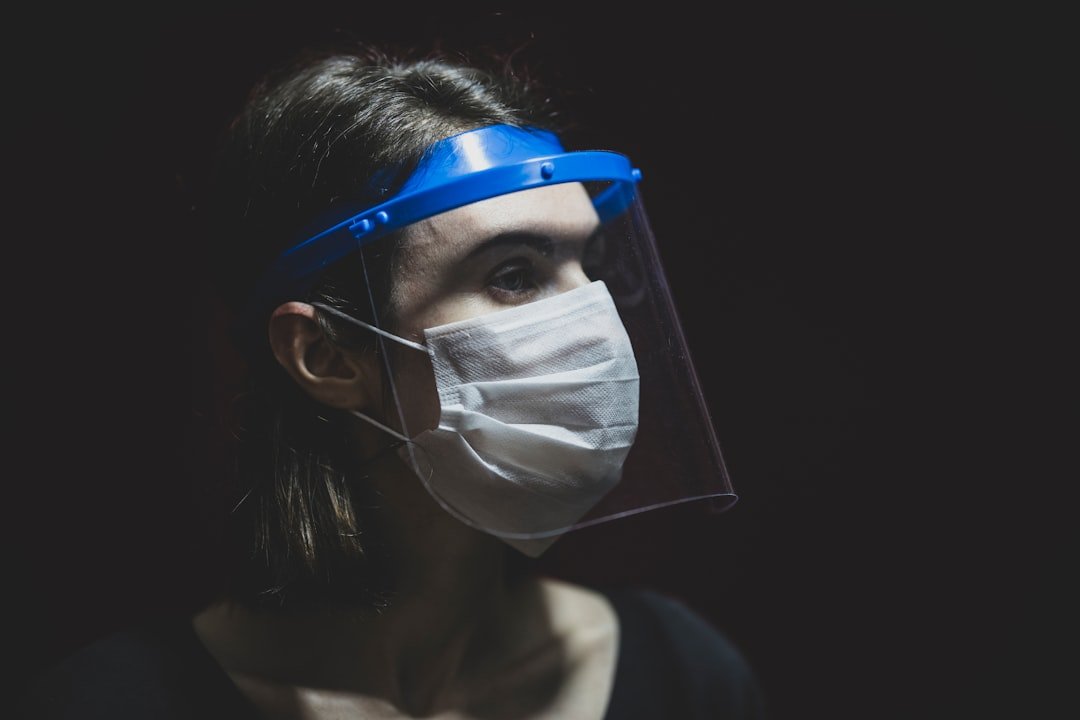
- Eye and face protection: Safety glasses, goggles, face shields, and welding helmets safeguard the eyes and face from chemical splashes, flying particles, and other hazards.
- Hearing protection: Earplugs, earmuffs, and hearing aids prevent noise-induced hearing loss and tinnitus.
- Respiratory protection: Respirators, dust masks, and gas masks protect the lungs from airborne contaminants, including dust, chemicals, and biological agents.
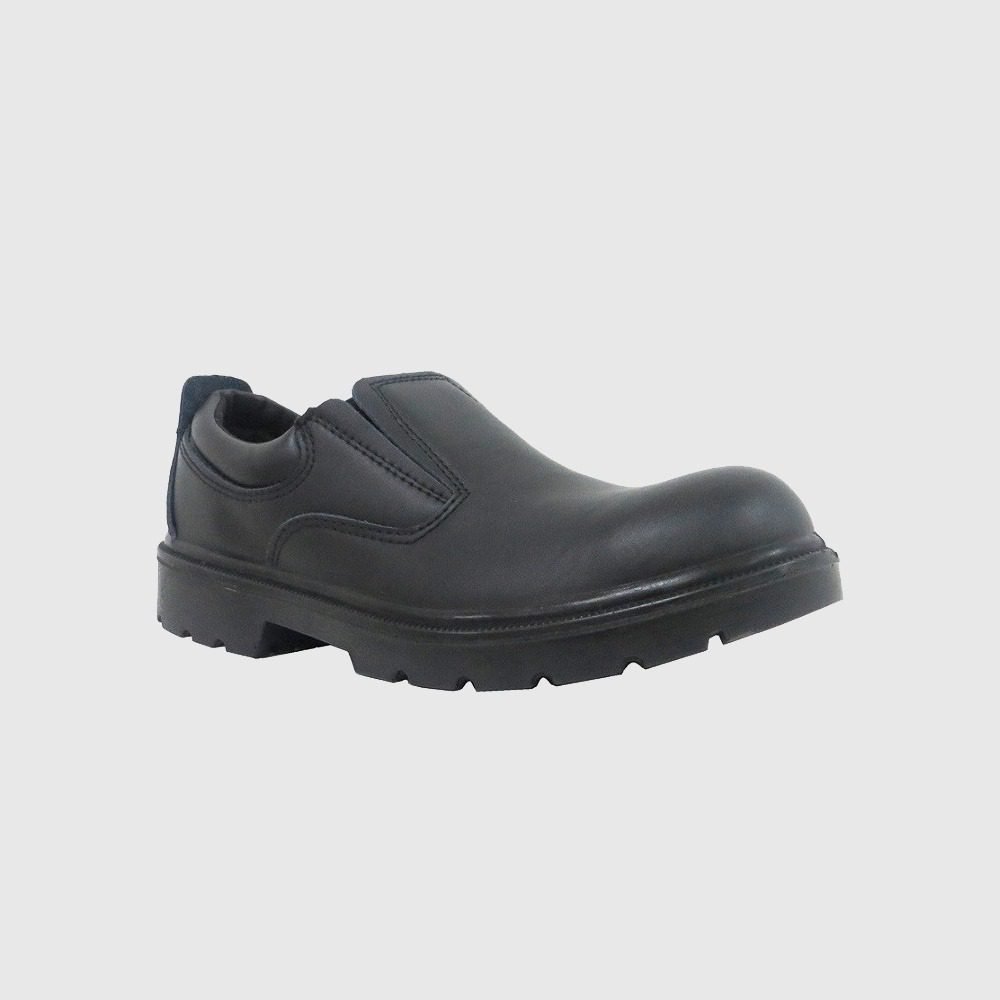
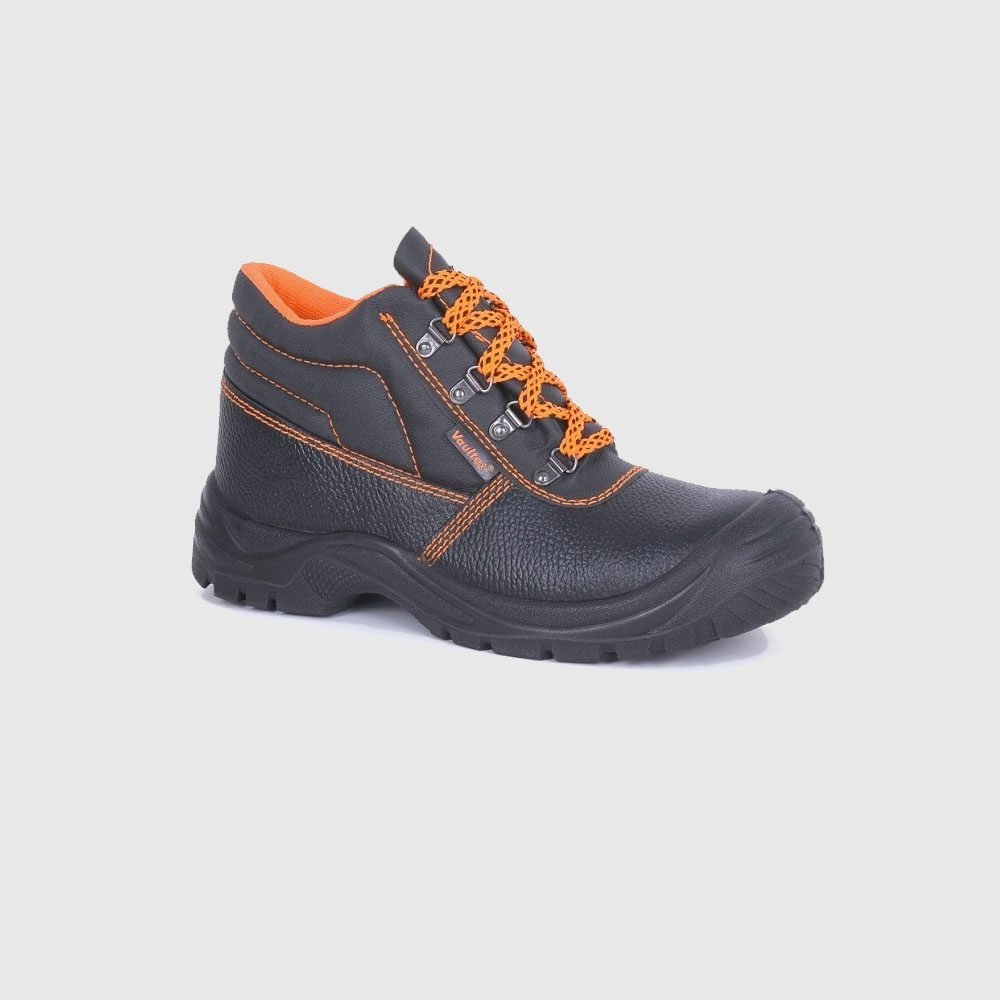
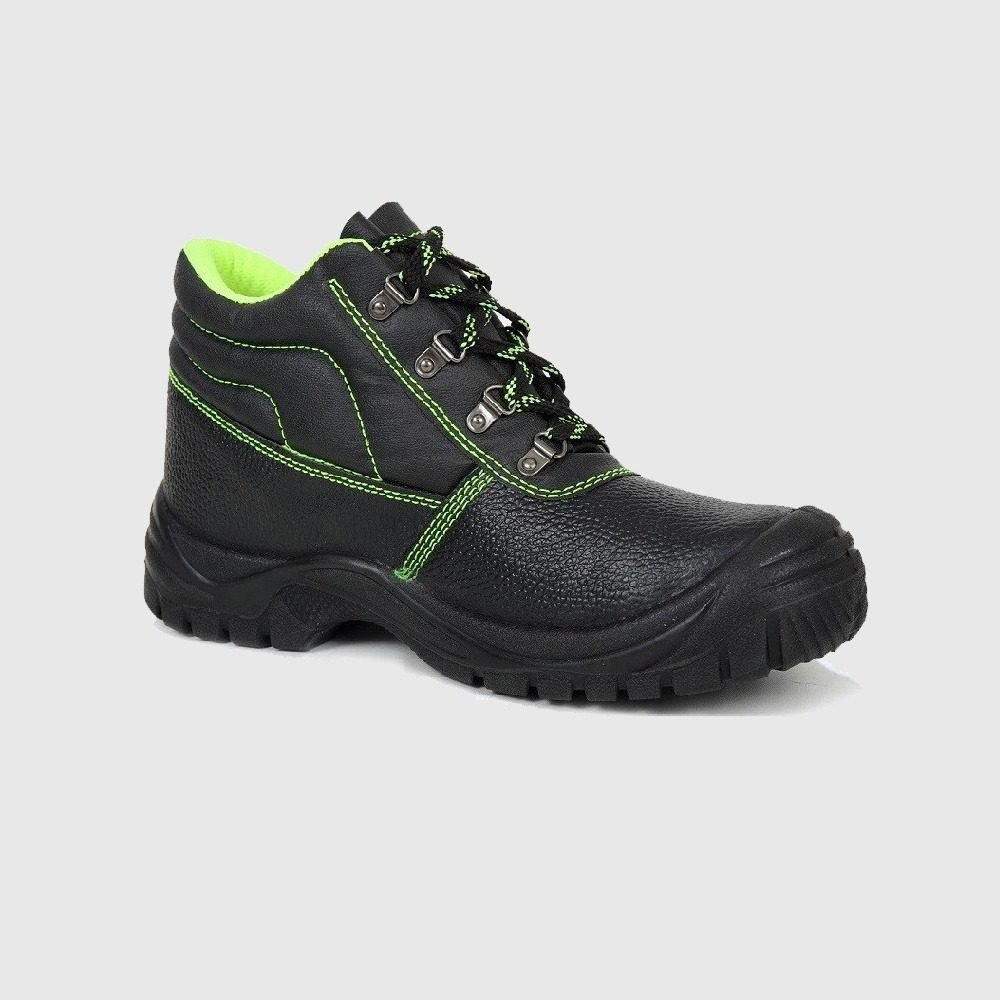
- Hand and foot protection: Gloves, safety shoes, and steel-toed boots prevent cuts, lacerations, and other injuries to the hands and feet.
- Fall protection: Harnesses, lanyards, and fall arrest systems prevent falls from heights and minimize the risk of injury or death.
- Conduct a hazard assessment: Identify the potential hazards in your workplace or environment and choose PPE that addresses those risks.
- Follow manufacturer instructions: Read and follow the manufacturer’s instructions for use, maintenance, and replacement of your PPE.
- Inspect your PPE regularly: Regularly inspect your PPE for signs of wear, damage, or degradation, and replace it as needed.
- Train others: Educate colleagues, family members, or friends on the importance of PPE and how to use it correctly.
- Stay up-to-date with regulations: Familiarize yourself with relevant safety regulations, such as OSHA standards, and ensure your PPE meets or exceeds those requirements.
- Smart PPE: Integrated sensors and wearable technology can monitor vital signs, detect hazards, and provide real-time feedback to the wearer.
- Advanced materials: New materials like graphene, nanomaterials, and smart fabrics are being developed to create lighter, stronger, and more comfortable PPE.
- 3D printing: Customizable PPE can be created using 3D printing, allowing for tailored fit and improved protection.
- Virtual and augmented reality: Immersive technologies can enhance training and simulation exercises, improving the effectiveness of PPE and reducing the risk of accidents.
When choosing PPE, it’s crucial to consider the specific hazards you’ll be exposed to and select equipment that meets or exceeds the relevant safety standards. For example, if you’re working with electrical systems, you’ll need to wear PPE that’s rated for electrical safety, such as insulating gloves and safety glasses with anti-fog coatings.
Best Practices for Using Personal Protective Equipment
Using PPE effectively requires more than just wearing the right equipment – it demands a mindset shift towards safety and a commitment to best practices. Here are some tips for getting the most out of your PPE:
By adopting these best practices, you can ensure that your PPE is effective in preventing injuries and illnesses, and that you’re taking a proactive approach to safety.
The Future of Personal Protective Equipment
As technology advances, we can expect to see significant innovations in the field of PPE. Some of the emerging trends and technologies include:
As these technologies continue to evolve, we can expect to see PPE become more sophisticated, effective, and integrated into our daily lives.
In conclusion, personal protective equipment is a vital component of any safety strategy, whether you’re working on a construction site, handling hazardous materials, or simply enjoying the great outdoors. By understanding the basics of PPE, selecting the right equipment, and following best practices, you can significantly reduce the risk of injury or illness and create a safer, healthier environment for yourself and others. Remember, PPE is not just a piece of equipment – it’s a lifesaver. So, suit up and stay safe!