
No products in the cart.

As a contractor working with Abu Dhabi National Oil Company (ADNOC) and Borouge, you understand the importance of safety and compliance in the oil and gas industry. Personal Protective Equipment (PPE) is a critical component of ensuring the well-being of workers on site. However, with numerous regulations and guidelines to follow, it can be overwhelming to determine what PPE is approved for use. In this article, we’ll delve into the world of ADNOC and Borouge approved PPE, providing contractors with a comprehensive guide to navigate the complex landscape of safety and compliance.
Introduction to ADNOC and Borouge PPE Requirements
ADNOC and Borouge have stringent safety protocols in place to protect workers from potential hazards on site. The companies require contractors to adhere to specific PPE standards, ensuring that all workers are equipped with the necessary gear to perform their jobs safely. The approved PPE list is regularly updated to reflect changes in industry regulations and best practices. Contractors must stay up-to-date with these requirements to avoid non-compliance, which can result in fines, penalties, and even contract termination.
To ensure compliance, contractors should familiarize themselves with the ADNOC and Borouge PPE guidelines, which cover a range of topics, including:
- Head protection (hard hats, bump caps)
- Eye and face protection (safety glasses, goggles)
- Hearing protection (earplugs, earmuffs)
- Respiratory protection (dust masks, respirators)
- Hand protection (gloves)
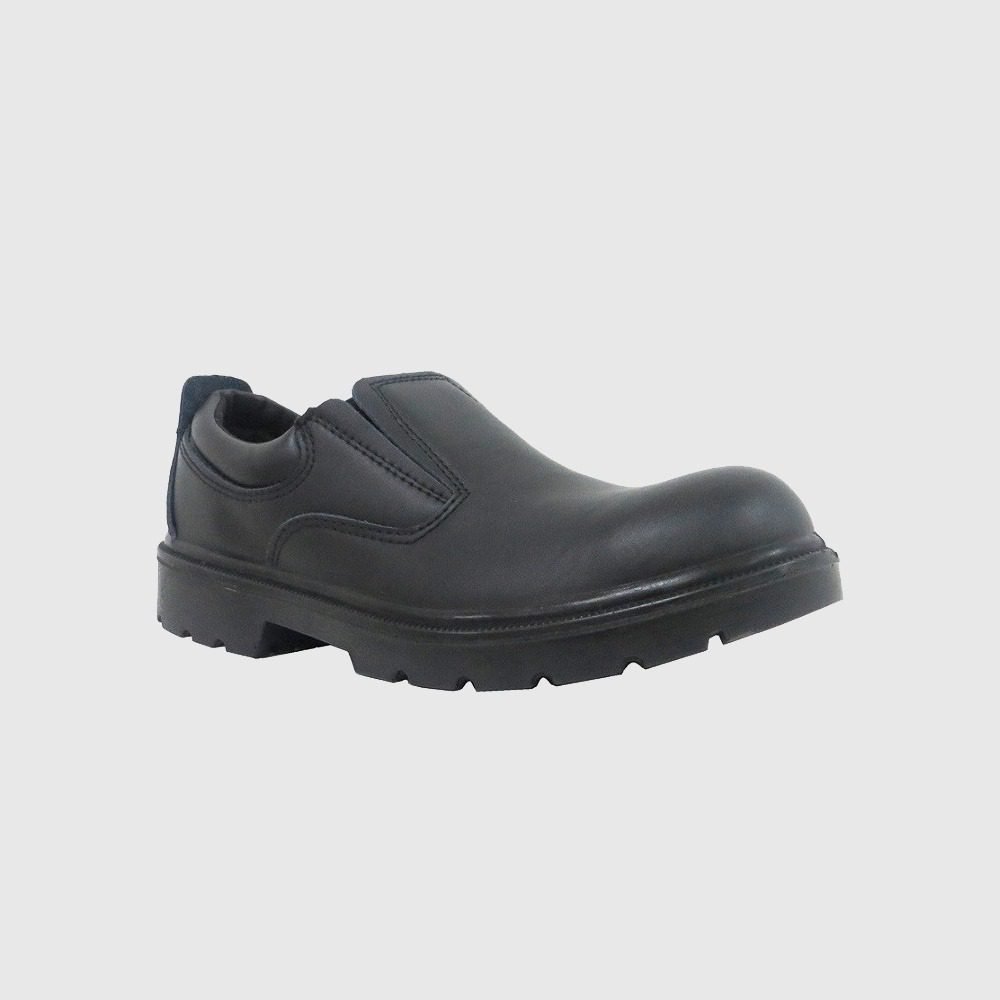
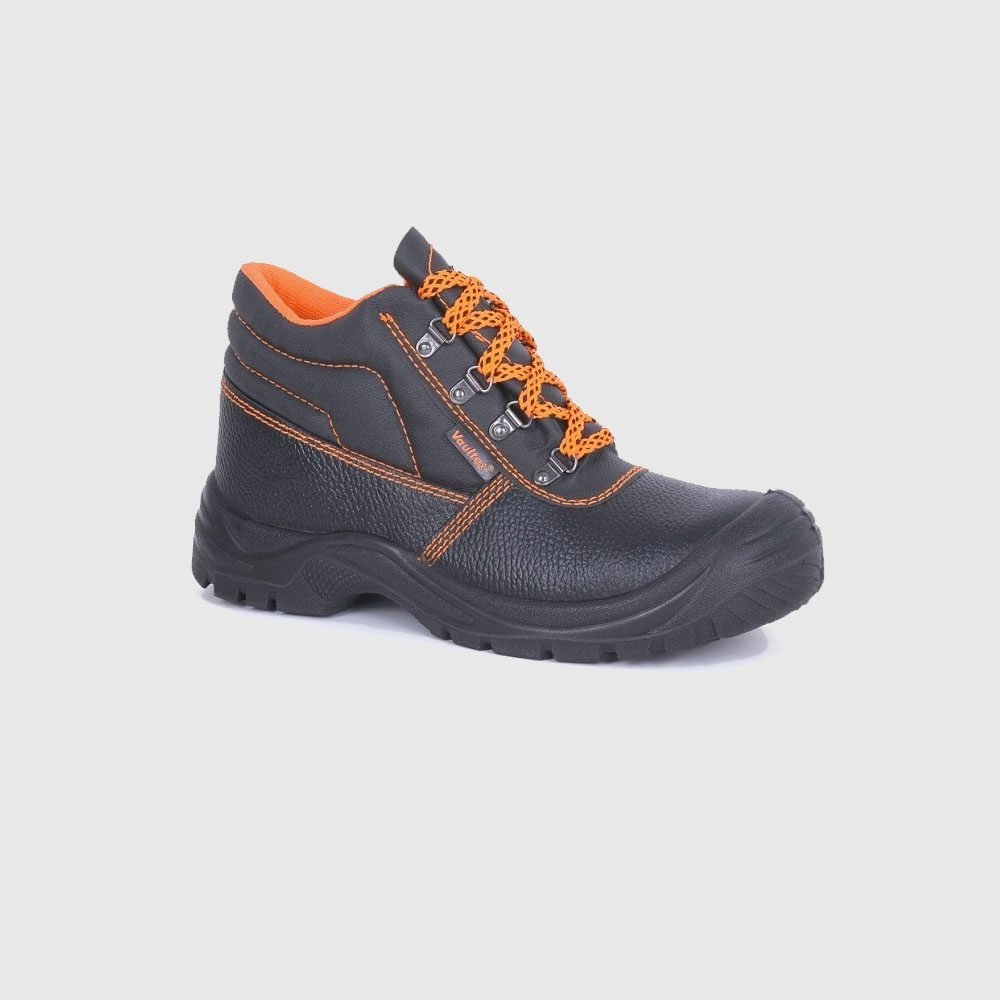
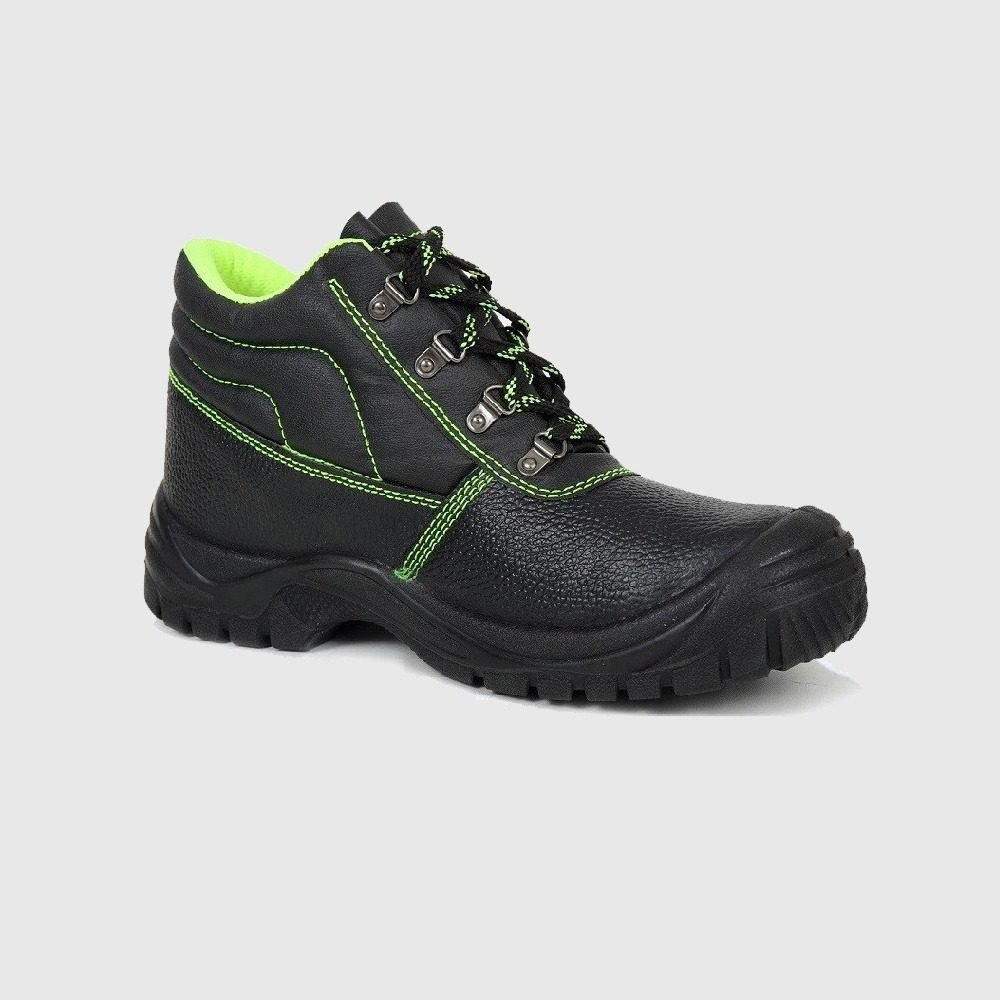
- Foot protection (steel-toed boots)
- Compliance with international standards: PPE must meet or exceed international standards, such as those set by the International Organization for Standardization (ISO) or the American National Standards Institute (ANSI).
- Manufacturer certification: PPE manufacturers must be certified by recognized third-party organizations, such as the ISO or the Occupational Safety and Health Administration (OSHA).
- Product testing and inspection: PPE must undergo regular testing and inspection to ensure that it meets the required standards.
- Worker training: Provide workers with training on the proper use, maintenance, and inspection of PPE.
- Equipment maintenance: Regularly inspect and maintain PPE to ensure that it remains in good condition.
- Monitoring and enforcement: Regularly monitor workers’ use of PPE and enforce compliance with company policies and procedures.
- Conducting regular safety audits: Conduct regular safety audits to identify potential hazards and ensure that workers are using PPE correctly.
- Providing PPE fit testing: Provide PPE fit testing to ensure that workers are wearing equipment that fits properly.
- Encouraging worker participation: Encourage workers to participate in the PPE program by reporting any issues or concerns they may have.
- Cost and budget constraints: PPE can be expensive, and contractors may need to balance the cost of equipment with budget constraints.
- Supply chain logistics: Contractors may face challenges in sourcing approved PPE, particularly in remote or hard-to-reach locations.
- Language barriers: Contractors may need to communicate PPE requirements to workers who speak different languages.
- Developing a phased implementation plan: Develop a phased implementation plan to introduce approved PPE gradually, reducing the financial burden.
- Building relationships with suppliers: Build relationships with suppliers to ensure a steady supply of approved PPE.
- Providing multilingual training and support: Provide multilingual training and support to ensure that workers understand PPE requirements, regardless of language barriers.
- Familiarize yourself with ADNOC and Borouge PPE guidelines: Stay up-to-date with the latest PPE requirements and guidelines to ensure compliance.
- Select PPE that meets international standards: Choose PPE that meets or exceeds international standards, such as those set by ISO or ANSI.
- Develop a comprehensive PPE program: Develop a comprehensive PPE program that includes worker training, equipment maintenance, and regular monitoring.
- Overcome common challenges: Develop strategies to overcome common challenges, such as cost and budget constraints, supply chain logistics, and language barriers.
Understanding the Approval Process for PPE
The approval process for PPE involves a thorough evaluation of the equipment’s quality, performance, and compliance with industry standards. ADNOC and Borouge have established a rigorous testing and certification program to ensure that only PPE that meets their high standards is approved for use. Contractors can obtain a list of approved PPE from the companies’ websites or by contacting their procurement departments directly.
Some key factors to consider when selecting PPE for ADNOC and Borouge projects include:
Best Practices for Implementing ADNOC and Borouge Approved PPE
Implementing approved PPE on site requires a combination of proper training, equipment maintenance, and regular monitoring. Contractors should develop a comprehensive PPE program that includes:
Some additional best practices to consider include:
Common Challenges and Solutions
Contractors may face several challenges when implementing ADNOC and Borouge approved PPE, including:
To overcome these challenges, contractors can consider the following solutions:
Conclusion and Key Takeaways
In conclusion, ADNOC and Borouge approved PPE is a critical component of ensuring safety and compliance in the oil and gas industry. Contractors must stay up-to-date with the latest PPE requirements and guidelines to avoid non-compliance and ensure a safe working environment. By understanding the approval process, implementing best practices, and overcoming common challenges, contractors can navigate the complex landscape of safety and compliance with confidence.
Key takeaways from this article include:
By following these guidelines and best practices, contractors can ensure a safe and compliant working environment, protecting workers and minimizing the risk of accidents and injuries. Remember, safety is everyone’s responsibility, and by working together, we can create a safer, more compliant industry for all.