
No products in the cart.


—
Introduction: Why the Right Mask Matters More Than Ever
Imagine stepping into a bustling hospital ward, an urgent care clinic, or even a community testing site. The air is filled with the hum of monitors, the rustle of paperwork, and—unavoidably—a mix of invisible pathogens. In that moment, the piece of equipment that can make the difference between safety and exposure isn’t a stethoscope or a tablet; it’s the mask perched on your face.
Since the pandemic, masks have moved from “optional” to “essential” in virtually every healthcare setting. Yet, the market is flooded with a bewildering array of options, each promising superior protection. How do you cut through the hype and choose the right mask for your role, your environment, and the patients you serve? This guide breaks down everything you need to know about healthcare PPE masks— from the science behind filtration to practical tips for fit, reuse, and compliance—so you can protect yourself, your colleagues, and your patients with confidence.
—
1. Understanding Mask Types: From Surgical to Respirators
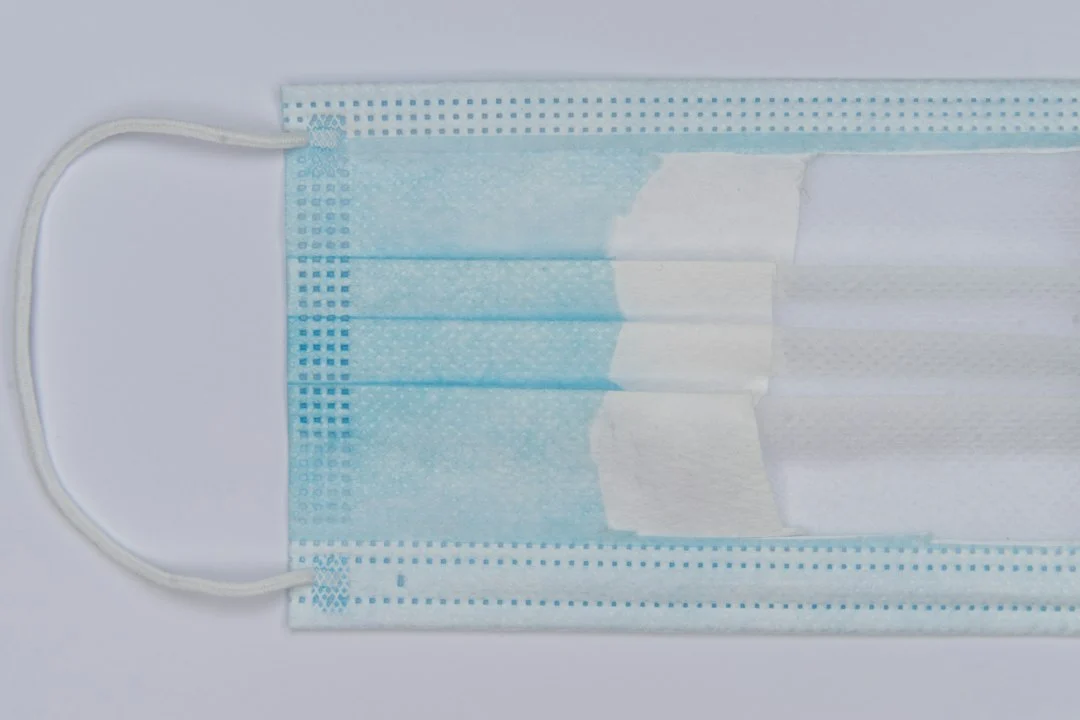
1.1 Surgical Masks – The First Line of Defense
- Purpose: Primarily block large respiratory droplets expelled by the wearer; also provide a barrier against splashes and sprays.
- Filtration: Typically 3‑5 µm particle size, meeting ASTM Level 1‑3 standards.
- Best For: Routine patient interactions, low‑risk procedures, and as a source control mask in outpatient settings.
- Purpose: Seal tightly to the face and filter at least 95 % of airborne particles down to 0.3 µm, including aerosols.
- Fit‑Test Required: A proper seal is crucial; a poor fit can reduce efficiency by up to 50 %.
- Best For: Aerosol‑generating procedures (AGPs), COVID‑19 wards, intensive care units, and any setting with high airborne pathogen risk.
- Purpose: Reusable respirators with replaceable filter cartridges (P100, N95, etc.). Offer long‑term cost savings and consistent protection.
- Maintenance: Requires cleaning, disinfection, and regular cartridge replacement.
- Best For: High‑volume settings (e.g., emergency departments) where mask turnover is rapid, or when supply chain constraints limit disposable N95 availability.
- Purpose: Use a battery‑powered blower to push filtered air through a hood or facepiece, reducing breathing resistance.
- Advantages: Higher Assigned Protection Factor (APF) than N95, suitable for users who cannot achieve a proper seal (e.g., facial hair).
- Best For: High‑risk surgeries, infectious disease units, and staff with respiratory conditions that make N95 use uncomfortable.
- Identify Exposure Levels: Use your facility’s infection control matrix to classify tasks as low, moderate, or high risk.
- Match Mask to Risk: Low‑risk (e.g., administrative duties) → surgical mask; moderate‑risk (e.g., routine patient exams) → surgical mask or N95 if aerosol risk exists; high‑risk (e.g., intubation) → N95, elastomeric respirator, or PAPR.
- Fit & Seal: A mask that feels uncomfortable will be adjusted or removed, compromising protection.
- Skin Sensitivity: Look for hypoallergenic materials or consider barrier creams for prolonged wear.
- Communication Needs: Transparent masks or those with speech‑enhancement features help maintain patient interaction, especially for the hearing impaired.
- Disposable vs. Reusable: While disposables are convenient, reusable respirators can cut long‑term costs by up to 70 % after the initial investment.
- Environmental Impact: Opt for masks made from recyclable or biodegradable materials where possible.
- Qualitative Fit Test (QLFT): Uses taste or smell agents (e.g., saccharin) to detect leaks.
- Quantitative Fit Test (QNFT): Measures particle concentration inside and outside the mask to calculate a fit factor.
- Dry Heat Decontamination: 70 °C for 30 minutes retains filtration efficiency.
- UV‑C Light: 1 J/cm² exposure can inactivate viruses without degrading the filter.
- Vaporized Hydrogen Peroxide (VHP): Hospital‑grade VHP cycles are effective but require specialized equipment.
- Disassembly: Separate the facepiece from the filter cartridges.
- Soap & Water: Use mild detergent, rinse thoroughly, and air‑dry.
- Disinfection: Wipe with a 70 % isopropyl alcohol solution or an EPA‑registered disinfectant.
- Stockpile Management: Rotate inventory using a “first‑in, first‑out” system to avoid expired products.
- Alternate Suppliers: Vet multiple vendors in advance, focusing on FDA‑cleared or CE‑marked products.
- Local Production: Some hospitals have partnered with 3‑D printing labs to produce mask frames that can accommodate replaceable filter media.
- U.S. Food & Drug Administration (FDA): Clears surgical masks and respirators for medical use.
- Occupational Safety and Health Administration (OSHA): Sets mandatory standards for respiratory protection (e.g., 29 CFR 1910.134).
- Centers for Disease Control and Prevention (CDC): Issues PPE recommendations based on disease prevalence and transmission routes.
- Nanofiber Filters: Offer higher filtration efficiency with lower breathing resistance.
- Antimicrobial Coatings: Copper or silver‑infused layers that actively kill pathogens on contact.
- Smart Masks: Integrated sensors that monitor airflow, humidity, and mask fit in real time.
Actionable tip: Verify that the surgical mask you purchase is ASTM Level 2 or higher for most clinical environments. Look for a fluid‑resistant label if you’re working in areas with potential blood or bodily fluid exposure.
1.2 N95 and Equivalent Respirators – The Gold Standard
Actionable tip: Conduct a user seal check every time you don a respirator. If you notice air leaks, adjust the straps or try a different size/model. Many facilities now provide fit‑testing services—take advantage of them.
1.3 Elastomeric Half‑Mask Respirators – Reusable Powerhouses
Actionable tip: Establish a cleaning protocol: after each shift, wipe the exterior with an EPA‑approved disinfectant, then store the mask in a breathable container to avoid moisture buildup.
1.4 Powered Air‑Purifying Respirators (PAPRs) – Comfort Meets Protection
Actionable tip: Train all users on battery management and filter replacement schedules. A fully charged PAPR can typically run 8–12 hours—plan shift changes accordingly.
—
2. Choosing the Right Mask for Your Role
2.1 Conduct a Risk Assessment
2.2 Factor in Comfort and Compliance
Actionable tip: Pilot a small batch of mask models with a representative group of staff. Gather feedback on fit, breathability, and communication, then standardize on the top‑performing option.
2.3 Budget and Sustainability Considerations
Actionable tip: Perform a cost‑benefit analysis over a 12‑month period, factoring in purchase price, disposal fees, and potential supply shortages. This data will support procurement decisions and justify budget allocations.
—
3. Proper Donning, Doffing, and Fit‑Testing: The “Do‑It‑Right” Checklist
3.1 Donning (Putting On) a Mask
1. Hand Hygiene: Wash or sanitize hands thoroughly.
2. Inspect the Mask: Check for tears, moisture, or compromised straps.
3. Position Correctly: For surgical masks, the colored side faces outward; for respirators, the metal nose clip should sit snugly over the bridge of the nose.
4. Secure Straps: Loop the ear or head straps, ensuring a snug but comfortable fit.
5. Seal Check (Respirators Only): Perform a positive and negative pressure test—inhale sharply and exhale to confirm no air leaks.
3.2 Doffing (Removing) a Mask Safely
1. Avoid Touching the Front: Grasp only the straps or ear loops.
2. Remove Without Contamination: Tilt the mask away from your face as you pull it off.
3. Dispose or Store: Place disposable masks in a biohazard container; store reusable masks in a clean, dry area.
4. Hand Hygiene Again: Immediately wash or sanitize hands after removal.
3.3 Fit‑Testing: Why It’s Not Optional
Actionable tip: Schedule annual fit‑testing for all staff using respirators, and re‑test after any facial changes (weight fluctuation, dental work, facial hair growth). Keep documentation in the employee health record for compliance audits.
—
4. Extending Mask Life Without Compromising Safety
4.1 Reuse Strategies for N95s (When Supplies Are Tight)
Actionable tip: Limit each N95 to a maximum of five decontamination cycles, and inspect for strap elasticity or visible damage after each round.
4.2 Cleaning Elastomeric Respirators
Actionable tip: Label each respirator with the user’s name and a “last cleaned” date. This prevents cross‑contamination and ensures accountability.
4.3 Managing Mask Shortages
Actionable tip: Develop a PPE contingency plan that outlines threshold levels for each mask type and triggers for emergency procurement.
—
5. Staying Current: Guidelines, Regulations, and Emerging Technologies
5.1 Key Regulatory Bodies
5.2 Emerging Mask Technologies
Actionable tip: Subscribe to updates from CDC’s “Healthcare Infection Prevention” newsletter and OSHA’s “Safety and Health Topics” alerts. Allocate a quarterly budget for pilot testing innovative mask technologies that could improve staff safety and comfort.
—
Conclusion: Key Takeaways for Safer Clinical Practice
1. Match Mask to Risk: Use surgical masks for low‑risk interactions, N95 or higher respirators for aerosol‑generating procedures, and consider elastomeric or PAPR options for prolonged high‑risk exposure.
2. Fit Is Everything: Proper fit‑testing and seal checks are non‑negotiable; a poorly fitted mask can nullify its protective rating.
3. Follow a Strict Don‑Do Checklist: Hand hygiene, visual inspection, correct placement, and careful removal protect both the wearer and the environment.
4. Extend Life Wisely: When shortages arise, validated decontamination methods can safely reuse N95s, while elastomeric respirators are designed for repeated cleaning.
5. Stay Informed: Regulatory guidance evolves quickly; keep abreast of CDC, OSHA, and FDA updates, and be open to emerging mask technologies that enhance protection and comfort.
By integrating these actionable strategies into daily practice, healthcare professionals can ensure that the masks they rely on truly serve as a barrier—not just a piece of fabric—against infection. Remember, the right mask, worn correctly, is one of the most powerful tools in your PPE arsenal. Stay protected, stay informed, and keep caring.