
No products in the cart.


—
Introduction – Why PPE Isn’t Just Another Box to Tick
Imagine walking onto a construction site, a laboratory, or a hospital without a single piece of safety gear. The thought alone sends a shiver down anyone’s spine—yet many workers still treat personal protective equipment (PPE) as an after‑thought or a bureaucratic checkbox. The reality is that PPE is often the last line of defense between you and a serious injury, illness, or even death.
In today’s fast‑moving work environments, the right PPE can keep you productive, protect your health, and help your organization stay compliant with safety regulations. This guide breaks down everything you need to know—from selecting the proper gear to maintaining it—so you can make informed, actionable decisions that safeguard both people and profit.
—
1. Understanding PPE and Why It Matters
What Exactly Is PPE?
Personal protective equipment, or PPE, is any clothing or device designed to shield the wearer from workplace hazards. Common categories include:
- Head protection – hard hats, bump caps
- Eye and face protection – safety glasses, goggles, face shields
- Hearing protection – earplugs, earmuffs
- Respiratory protection – dust masks, half‑face respirators, powered air‑purifying respirators (PAPRs)
- Hand protection – gloves for chemicals, cuts, heat, or electrical work
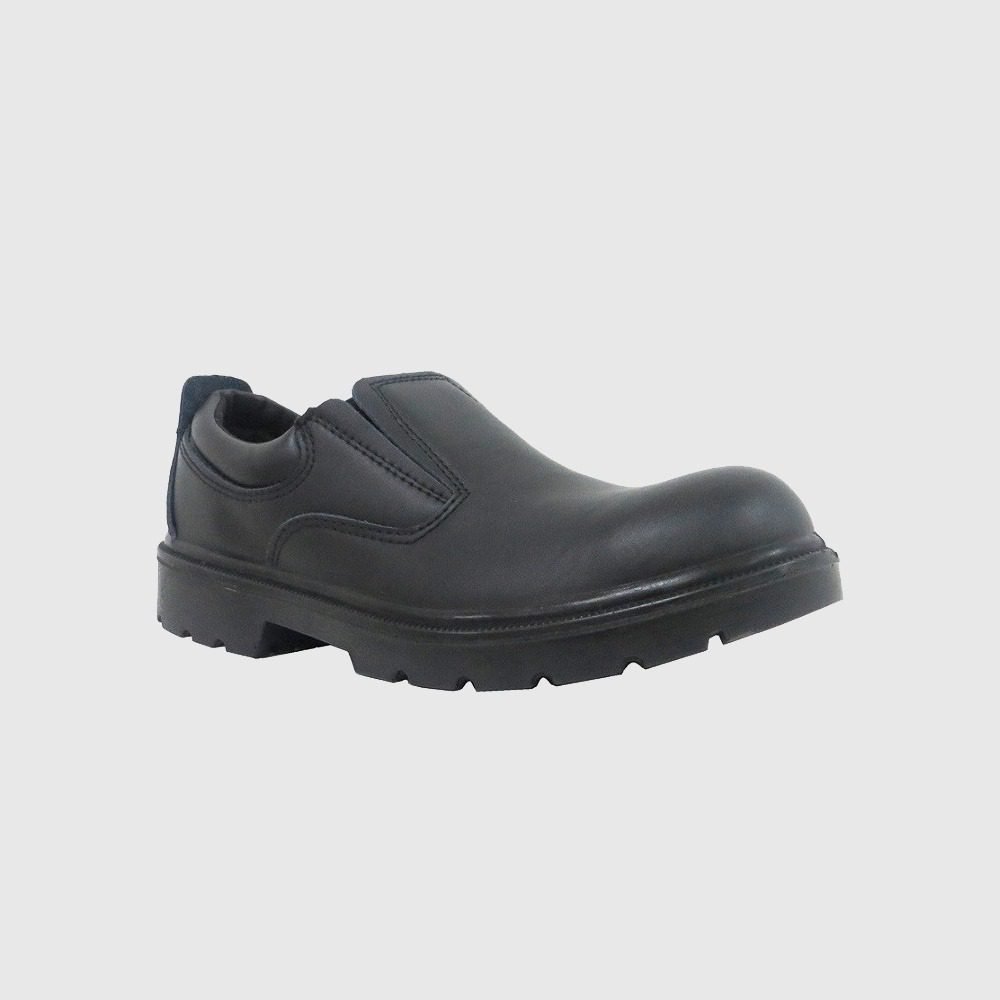
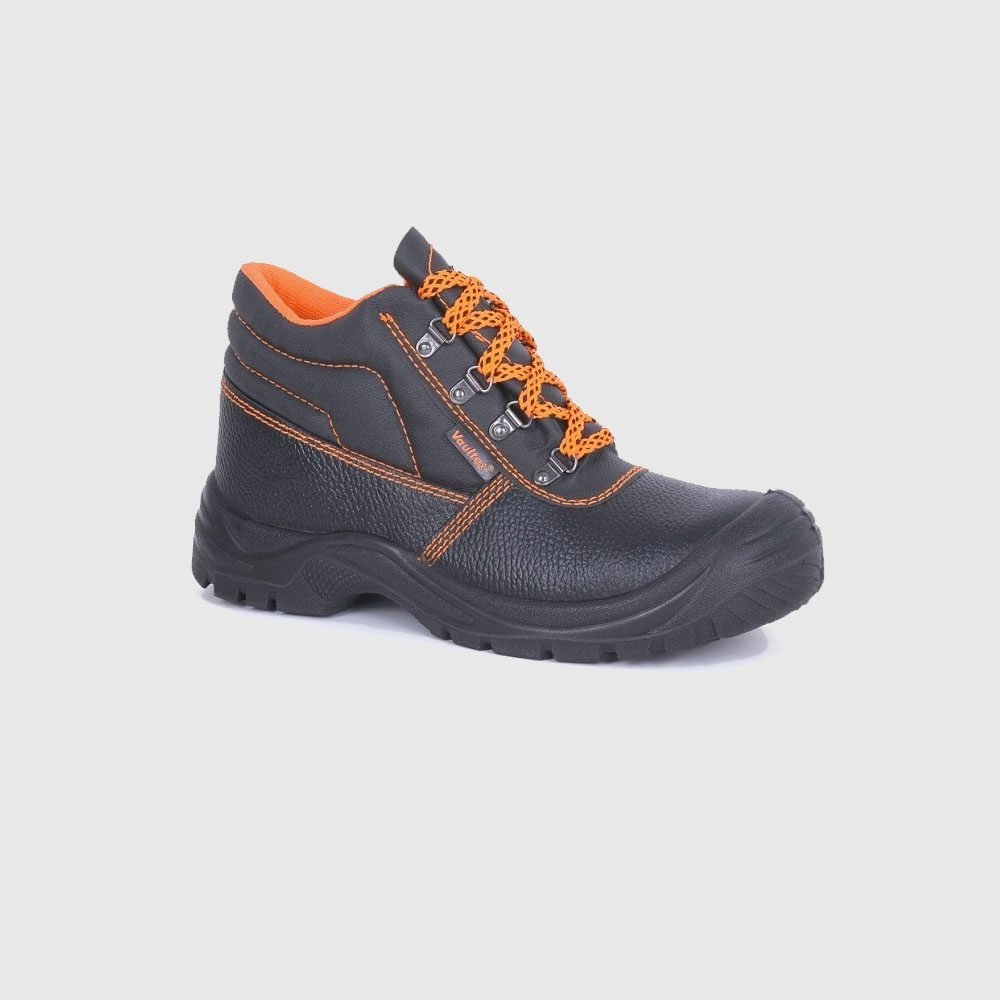
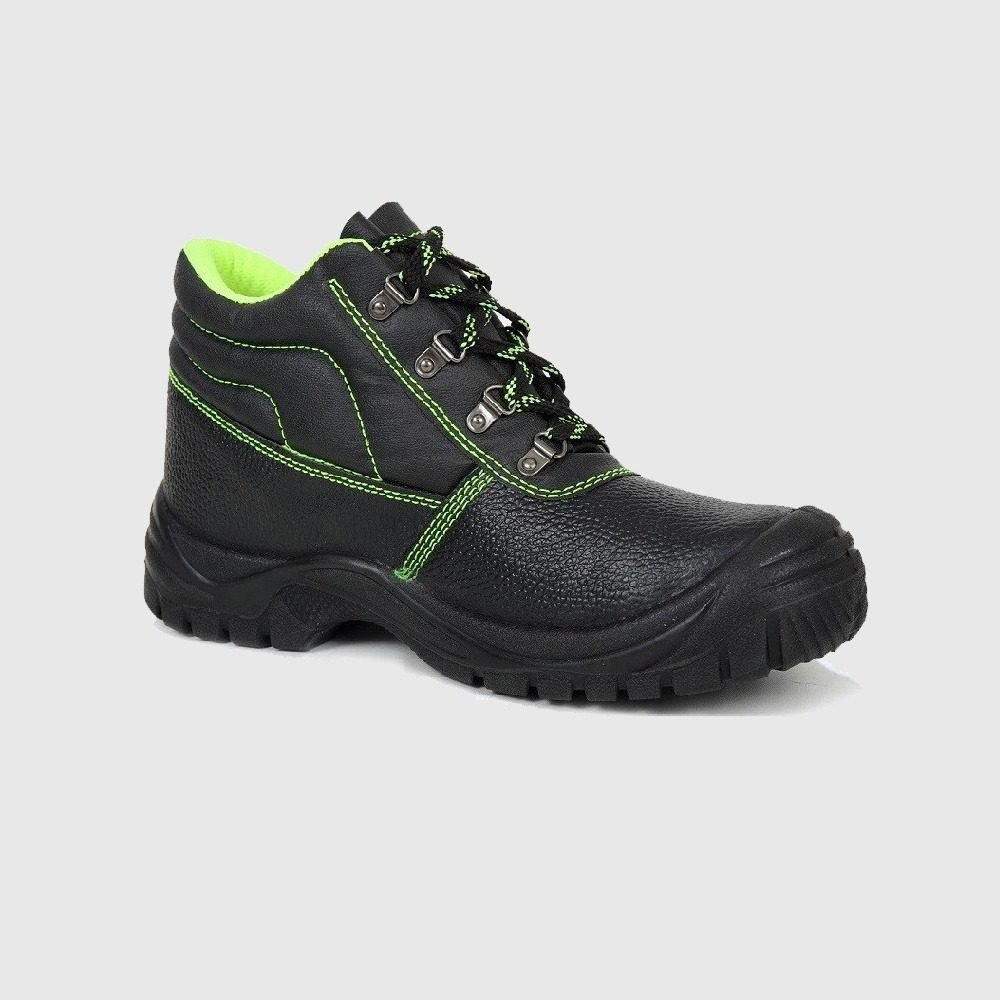
- Foot protection – steel‑toe boots, slip‑resistant shoes
- Body protection – high‑visibility vests, flame‑resistant clothing, chemical aprons
- Adjustable straps for a secure fit
- Lightweight materials to reduce fatigue
- Ventilation in hot environments
- Sizing charts and on‑site fitting sessions
- Visible damage – cracks, frayed edges, broken buckles
- Expiration dates – especially for respirator filters and disposable items
- Failed fit tests – any change in facial structure or weight can affect seal
- E‑learning modules with interactive quizzes
- QR codes on equipment that link to usage videos
- Mobile checklists for supervisors to record daily PPE inspections
- Training attendance and test scores
- PPE inspection reports
- Incident investigations that reference PPE performance
- Connected hard hats that detect impact forces and send alerts to supervisors.
- Smart gloves with temperature sensors to warn of heat exposure.
- Respirators with air‑quality monitors that automatically adjust filtration levels.
The Real Cost of Skipping PPE
According to the U.S. Bureau of Labor Statistics, more than 2.8 million non‑fatal workplace injuries are reported each year—many of which could have been prevented with proper PPE. The financial impact goes beyond medical bills: lost productivity, workers’ compensation claims, and damage to brand reputation can add up quickly.
Key Benefits of a Strong PPE Program
| Benefit | How It Helps Your Business |
|———|—————————-|
| Injury reduction | Fewer lost‑time incidents and lower insurance premiums |
| Regulatory compliance | Meets OSHA, EU‑OSHA, and other local safety standards |
| Employee morale | Workers feel valued when their safety is a priority |
| Operational continuity | Less downtime means smoother project timelines |
—
2. Choosing the Right PPE for Different Hazards
Conduct a Thorough Hazard Assessment
Before you buy a single pair of gloves, start with a hazard assessment. Identify:
1. Physical hazards – falling objects, noise, heat, radiation
2. Chemical hazards – acids, solvents, dust, fumes
3. Biological hazards – bacteria, viruses, mold
4. Ergonomic hazards – repetitive motion, awkward postures
Document each hazard, its severity, and the frequency of exposure. This data drives the PPE selection process and ensures you’re not over‑ or under‑protecting your team.
Match PPE to the Hazard
| Hazard Type | Recommended PPE | Selection Tips |
|————-|—————-|—————-|
| Falling objects | Hard hat (ANSI Z89.1) | Choose a full‑brim style for extra lateral protection |
| Flying debris | Safety glasses or goggles (ANSI Z87.1) | Anti‑fog coating for outdoor work |
| Loud environments | Earplugs or earmuffs (NRR 25+) | Use dual protection when noise > 115 dB |
| Chemical splashes | Chemical‑resistant gloves & aprons (ASTM D6978) | Verify glove material compatibility with each chemical |
| Respiratory irritants | N95 respirator or P100 filter (NIOSH) | Perform fit testing annually |
| Heat exposure | Flame‑resistant coveralls (NFPA 2112) | Look for breathable, moisture‑wicking fabrics |
| Electrical work | Insulated gloves & dielectric boots (IEC 60903) | Confirm voltage rating matches task |
Consider Comfort and Fit
Even the most protective gear fails if workers refuse to wear it. Prioritize:
When employees feel comfortable, compliance skyrockets.
—
3. Proper Use, Maintenance, and Inspection
The “Three‑Step” PPE Routine
1. Inspect before each use – Look for cracks, tears, broken straps, or contamination.
2. Don correctly – Follow manufacturer guidelines; use a buddy system for hard‑to‑reach gear like respirators.
3. Remove safely – Avoid contaminating other surfaces; dispose of single‑use items responsibly.
Cleaning and Storage Best Practices
| PPE Type | Cleaning Method | Storage Tips |
|———-|—————-|————–|
| Gloves | Wash with mild detergent; air‑dry | Store in a clean, dry bin away from chemicals |
| Hard hats | Wipe with a damp cloth; replace liners yearly | Hang on a rack; avoid direct sunlight |
| Respirators | Follow filter replacement schedule; disinfect facepiece | Keep in a breathable pouch; label with replacement date |
| Safety glasses | Use lens cleaner; avoid abrasive wipes | Store in a protective case; keep lenses facing inward |
When to Replace PPE
Create a PPE logbook (digital or paper) to track inspection dates, maintenance actions, and replacement cycles. This simple habit can prevent costly oversights.
—
4. Training and Compliance – Turning Policy into Practice
Build a Structured PPE Training Program
1. Orientation – Introduce new hires to the company’s PPE policy and why it matters.
2. Hands‑on demonstration – Show how to correctly put on, adjust, and remove each piece of equipment.
3. Scenario drills – Simulate real‑world hazards (e.g., chemical spill, loud machinery) to reinforce proper usage.
4. Refresher courses – Conduct quarterly or semi‑annual sessions to keep knowledge fresh.
Leverage Technology for Better Compliance
Documentation and Audits
Maintain records of:
Regular internal audits (monthly or quarterly) help identify gaps before regulators do. If an audit reveals non‑compliance, address it immediately with corrective action plans and additional training.
—
5. Future Trends in PPE – What’s Coming Next?
Smart PPE
Wearable sensors are turning traditional safety gear into data‑rich devices. Examples include:
These innovations not only improve protection but also provide valuable analytics for risk‑management teams.
Sustainable Materials
Eco‑friendly PPE is gaining traction. Recyclable polymers, biodegradable disposable masks, and reusable filter cartridges reduce waste while meeting safety standards. Companies that adopt sustainable PPE can enhance their corporate social responsibility (CSR) profile.
Custom‑Fit 3D‑Printed Gear
3D scanning and printing enable PPE that conforms perfectly to an individual’s anatomy—think helmets molded to a worker’s head shape or gloves with personalized grip patterns. This level of customization boosts comfort and compliance.
—
Conclusion – Key Takeaways
1. PPE is a critical, last‑line defense that protects workers, reduces costs, and keeps your business compliant.
2. Start with a solid hazard assessment to match the right equipment to each risk.
3. Prioritize fit, comfort, and proper maintenance—the best gear is useless if it isn’t worn correctly.
4. Invest in comprehensive training and regular audits to turn PPE policies into everyday practice.
5. Stay ahead of the curve by exploring smart, sustainable, and custom‑fit PPE solutions that future‑proof your safety program.
By treating personal protective equipment as an integral part of your safety culture—not just a box to check—you empower your workforce, protect your bottom line, and build a reputation for excellence in workplace safety.
Ready to upgrade your PPE program? Start today with a simple hazard assessment, involve your employees in gear selection, and schedule a training refresher. The safest workplaces are built one well‑chosen piece of equipment at a time.
—
Keywords: personal protective equipment, PPE, safety gear, workplace safety, hazard assessment, PPE selection, PPE training, PPE compliance, protective equipment, smart PPE, sustainable PPE.