
No products in the cart.

—
Introduction – Why the Right Mask Matters More Than Ever
When the word mask entered everyday conversation, it quickly became clear that not all masks are created equal. In a bustling hospital hallway, a single misplaced piece of personal protective equipment (PPE) can be the difference between a safe shift and an outbreak. From surgical masks to N95 respirators, understanding the nuances of each type, how to select the right one, and how to wear it properly is essential for every healthcare worker, administrator, and even patients who want to stay protected. In this comprehensive guide, we’ll dive deep into the world of healthcare PPE masks, offering actionable tips, evidence‑based recommendations, and SEO‑friendly insights that will help you make informed decisions and keep your workplace safe.
—
1. Types of Healthcare Masks – Picking the Right Tool for the Job
1.1 Surgical Masks – The Workhorse of the Ward
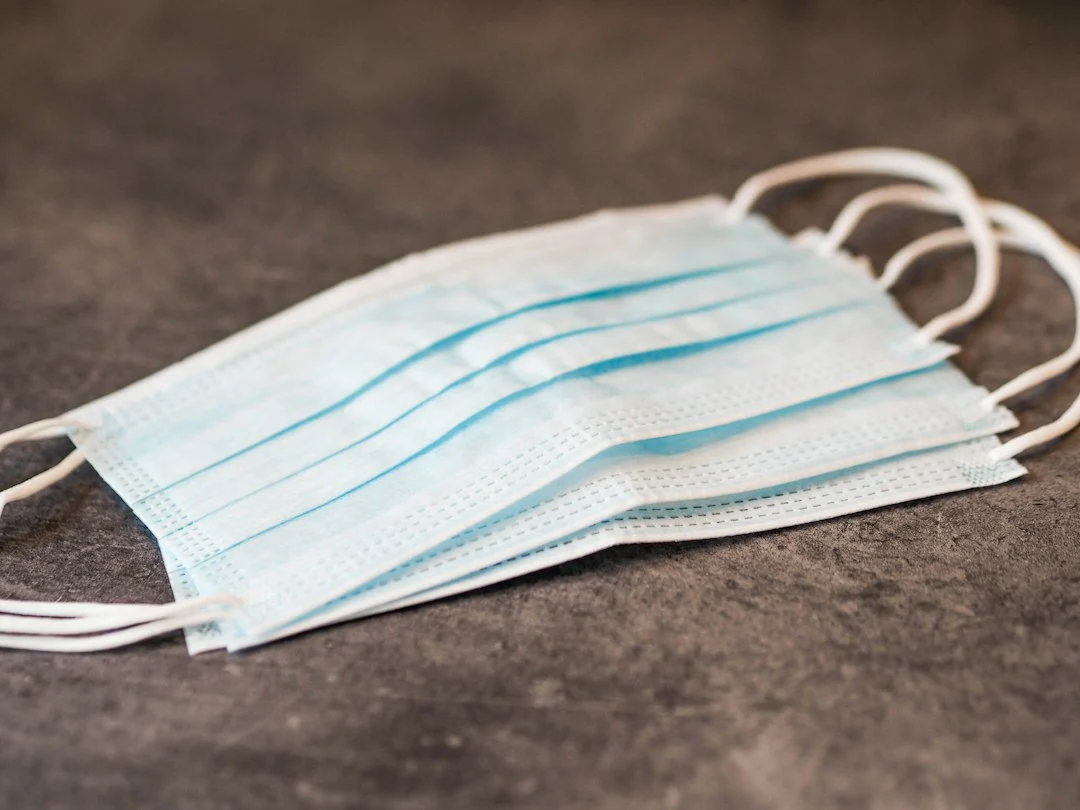
Surgical masks are the most common form of PPE in clinical settings. They are designed primarily to protect patients from the wearer’s respiratory droplets, but they also provide a barrier against large particles for the wearer. Key features include:
- Three‑layer construction – an outer fluid‑repellent layer, a middle melt‑blown filter, and an inner soft absorbent layer.
- Fluid resistance – rated by ASTM F2100 (Level 1, 2, or 3). Level 2 and 3 are preferred for higher risk procedures.
- Fit – Looser than respirators, they rely on a snug seal around the nose and chin but do not create a tight seal against the face.
- Fit‑tested – A quantitative or qualitative fit test ensures a proper seal.
- Exhalation valve vs. valve‑less – Valved versions reduce breathing resistance but do not filter exhaled air, which can be a concern for source control.
- Reusable options – Some models are designed for limited reuse after proper decontamination (e.g., vaporized hydrogen peroxide).
- Check for CE, NIOSH, or equivalent certification before purchase.
- Perform a user seal check each time you don the mask.
- Low breathing resistance (measured in mmH₂O).
- Adjustable nose bridges to reduce fogging of eyewear.
- Skin‑friendly materials to prevent pressure injuries.
- U.S. – NIOSH certification for N95, ASTM F2100 for surgical masks.
- EU – CE marking for FFP2/FFP3.
- Asia – GB2626‑2006 for KN95.
- Qualitative fit test – Uses a sweet or bitter aerosol; the wearer reports detection.
- Quantitative fit test – Uses a particle counter to calculate a fit factor (≥100 for N95).
- Store clean masks in a dry, breathable container (e.g., paper bag) labeled with the date of opening.
- For decontaminated respirators, keep them in a sealed, labeled pouch indicating the number of decontamination cycles completed.
- Edge integrity – No frayed straps or broken nose clips.
- Filter surface – No stains, tears, or deformation.
- Fit – Re‑perform a seal check if the mask has been stored for >24 hours.
- Monthly micro‑learning modules covering mask selection, fit testing, and disposal.
- Simulation drills for high‑risk AGPs to reinforce proper PPE use under pressure.
- “When to wear an N95 vs. surgical mask.”
- Step‑by‑step donning/doffing illustrations.
When to use: Routine patient care, low‑risk procedures, and situations where aerosol generation is unlikely.
1.2 N95 Respirators – The Gold Standard for Airborne Protection
N95 respirators filter at least 95 % of airborne particles down to 0.3 µm, making them indispensable for aerosol‑generating procedures (AGPs) such as intubation, bronchoscopy, or nebulizer treatments.
When to use: COVID‑19 or other respiratory virus care, TB wards, any AGP, and high‑risk environments like emergency departments.
1.3 KN95, FFP2, and International Equivalents
During supply chain disruptions, many facilities turned to KN95 (China) or FFP2 (Europe) masks. While they meet similar filtration standards, variations in fit and certification can affect performance.
1.4 Specialty Masks – Powered Air‑Purifying Respirators (PAPRs) and Elastomeric Half‑Masks
For prolonged high‑risk exposure, PAPRs provide filtered airflow through a battery‑powered blower, eliminating the need for a tight facial seal. Elastomeric half‑masks use replaceable cartridges and can be disinfected between uses.
When to consider: Long surgeries, orthopedic procedures with high aerosol generation, or when N95 supply is limited.
—
2. Selecting the Right Mask – Factors to Evaluate
2.1 Risk Assessment
Start with a thorough risk assessment of the clinical area:
| Procedure | Aerosol Generation? | Recommended Mask |
|———–|———————|——————|
| Routine vitals | No | Surgical (Level 2) |
| Nebulizer treatment | Yes | N95 (fit‑tested) |
| Endotracheal intubation | Yes | N95 or PAPR |
| Orthopedic drilling | Potential | N95 or PAPR |
2.2 Comfort and Breathability
Healthcare workers often wear masks for 8–12 hours. Choose masks with:
2.3 Supply Chain Reliability
Maintain an inventory buffer of at least 30 days for each mask type. Diversify suppliers and keep a validated list of approved alternatives (e.g., KN95 with documented filtration efficiency).
2.4 Regulatory Compliance
Always verify batch numbers and certification documents before distribution.
—
3. Proper Donning, Doffing, and Fit‑Testing – Making the Mask Work
3.1 Step‑by‑Step Donning
1. Hand hygiene – Wash or sanitize hands thoroughly.
2. Inspect the mask – Look for tears, dampness, or visible contamination.
3. Position – Place the mask over nose and mouth, ensuring the top edge sits on the nasal bridge.
4. Secure – Pull ear loops or head straps snugly; mold the nose clip with both hands.
5. Seal check – For respirators, perform a user seal check: exhale gently and feel for air leaks around the edges.
3.2 Doffing Without Contamination
1. Remove gloves (if worn) and perform hand hygiene.
2. Grasp the bottom strap (or lower edge for surgical masks) and pull it away from the face without touching the front.
3. Pull the top strap or upper edge away, again avoiding contact with the mask surface.
4. Dispose in a designated biohazard container or place in a reusable pouch for decontamination.
5. Hand hygiene – Final wash or sanitizer step.
3.3 Fit‑Testing Protocols
Conduct fit testing annually, or whenever a new respirator model is introduced. Keep records in a centralized PPE management system for compliance audits.
—
4. Extending Mask Life Safely – Reuse, Decontamination, and Storage
4.1 Approved Decontamination Methods
| Method | Cycle Limit | Effect on Filtration | Notes |
|——–|————|———————-|——-|
| Vaporized hydrogen peroxide (VHP) | Up to 20 cycles | No significant loss | Requires validated equipment |
| Moist heat (60 °C, 80 % RH) | 5–10 cycles | Minor reduction after 5 cycles | Use calibrated ovens |
| UV‑C (254 nm) | 2–3 cycles | Minimal impact if dose >1 J/cm² | Ensure even surface exposure |
Never reuse masks that show visible damage, moisture buildup, or an impaired seal.
4.2 Storage Practices
4.3 Monitoring for Wear‑And‑Tear
Implement a visual inspection checklist at the start of each shift:
—
5. Training, Communication, and Culture – Making PPE a Team Effort
5.1 Ongoing Education
5.2 Visual Aids
Place posters at donning stations highlighting:
5.3 Feedback Loops
Create a PPE champion role on each unit. Champions gather frontline feedback on mask comfort, supply issues, and compliance barriers, then report to the infection control committee for rapid adjustments.
—
Conclusion – Key Takeaways
1. Match the mask to the risk – Surgical masks for routine care; N95 or higher for aerosol‑generating procedures.
2. Fit matters – Conduct annual fit testing and perform a seal check each time a respirator is donned.
3. Maintain supply and compliance – Keep a 30‑day buffer, verify certifications, and rotate approved alternatives when needed.
4. Proper donning, doffing, and storage prevent self‑contamination and extend mask life safely.
5. Education and culture are the backbone of effective PPE use; empower staff with training, visual cues, and feedback mechanisms.
By integrating these best practices into daily workflow, healthcare facilities can safeguard staff, reduce infection transmission, and ensure that the essential PPE—especially masks—delivers the protection it promises. Stay informed, stay prepared, and let the right mask be your first line of defense.