
No products in the cart.



—
Introduction – Why the Right Mask Matters More Than Ever
Imagine walking into a bustling hospital ward during flu season. Every breath you take could be a potential carrier of viruses, bacteria, or airborne particles. In that high‑stakes environment, a mask isn’t just a piece of fabric—it’s a frontline defender that protects both caregivers and patients. Since the COVID‑19 pandemic, the conversation around healthcare PPE (personal protective equipment) has shifted from “optional” to “essential,” and masks sit at the heart of that discussion. Whether you’re a seasoned nurse, a new medical assistant, or a hospital administrator tasked with procurement, understanding the nuances of medical masks can dramatically improve infection control, compliance, and overall safety.
In this comprehensive guide, we’ll break down the most critical aspects of healthcare masks—from the different types and how to choose the right one, to proper fit, usage, and disposal. By the end, you’ll have a clear, actionable roadmap for integrating mask best practices into your daily routine or facility policy.
—
1. Types of Healthcare Masks – Matching Protection to Risk
Not all masks are created equal. Selecting the appropriate mask hinges on the level of exposure risk, the type of procedure, and regulatory standards. Below are the four primary categories you’ll encounter in most clinical settings.
a. Surgical Masks (Level 1‑3)
- Purpose: Primarily barrier protection against large droplets, splashes, and sprays.
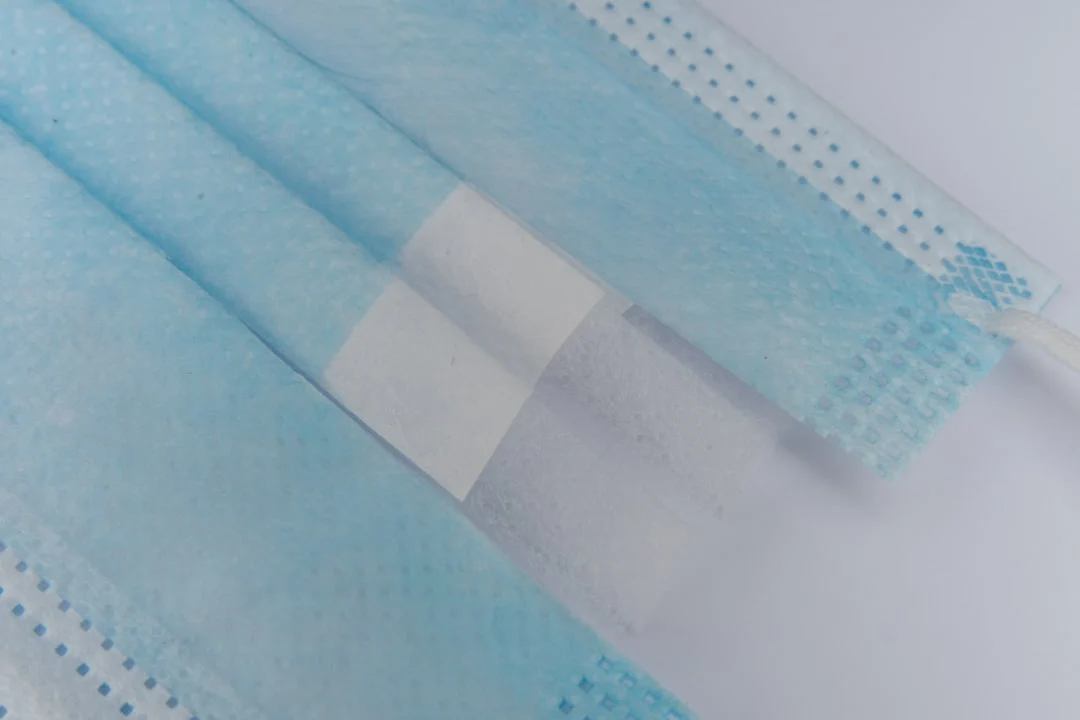
- Construction: Typically three‑layer non‑woven polypropylene—outer fluid‑repellent layer, middle filter layer, inner absorbent layer.
- When to Use: Routine patient care, low‑risk procedures, and when you need to protect the patient from the wearer’s respiratory emissions (e.g., during surgeries).
- Purpose: Filters at least 95% of airborne particles as small as 0.3 microns, including aerosols.
- Construction: Tight‑fitting design with electrostatic filter media.
- When to Use: Aerosol‑generating procedures (AGPs) such as intubation, bronchoscopy, or when caring for patients with airborne infections like tuberculosis or COVID‑19.
- Purpose: Provide a higher Assigned Protection Factor (APF) than N95s, with a battery‑powered blower that pushes filtered air through a hood or facepiece.
- When to Use: Extended wear in high‑risk environments, for users who can’t achieve a proper seal with N95s (e.g., facial hair), or during prolonged AGPs.
- Purpose: Primarily for source control in non‑clinical settings.
- When to Use: Administrative offices, waiting rooms, or when PPE supplies are critically low.
- Qualitative Fit Test (QLFT): Uses taste or smell agents (e.g., saccharin) to detect leaks.
- Quantitative Fit Test (QNFT): Measures particle concentration inside vs. outside the mask; provides a numeric fit factor.
- Surgical masks and N95 respirators (unless approved for reuse) should be placed in a designated biohazard container after each patient encounter.
- Label bins clearly and train housekeeping staff on proper segregation to avoid cross‑contamination.
- Store respirators in a clean, breathable paper bag labeled with the user’s name and decontamination date.
- Avoid plastic containers that trap moisture, which can degrade filter media.
- Partner with waste‑management firms that offer medical‑grade recycling for polypropylene masks.
- Explore biodegradable surgical mask options that meet ASTM standards, reducing landfill impact.
- Embedded sensors can monitor airflow resistance, humidity, and mask fit in real time, alerting wearers when a seal is compromised.
- Bluetooth‑enabled alerts integrate with hospital IT systems, providing data for occupational health analytics.
- New copper‑infused fabrics and photocatalytic coatings actively kill microbes on contact, extending safe wear time.
- Reusable elastomeric respirators with replaceable filter cartridges offer a sustainable alternative to disposable N95s.
- Diversify vendors across regions and maintain dual‑source contracts for critical mask categories.
- Invest in in‑house sterilization units (e.g., VHP chambers) to reduce reliance on external decontamination services during surges.
Actionable tip: Look for ASTM F2100‑rated masks. Level 2 is the most common for general care, while Level 3 offers higher fluid resistance for more invasive procedures.
b. N95 Respirators (and Equivalent)
Actionable tip: Verify NIOSH certification and ensure the respirator model fits your face shape. Remember, “N95” is a U.S. standard; EU equivalents include FFP2, and Asian standards include KN95.
c. Powered Air‑Purifying Respirators (PAPRs)
Actionable tip: Conduct regular battery checks and filter replacements per manufacturer guidelines to maintain optimal performance.
d. Cloth and Community Masks (Limited Clinical Use)
Actionable tip: If you must use cloth masks in a clinical area, ensure they meet CDC’s recommended multi‑layer construction and are laundered after each shift.
—
2. Choosing the Right Mask for Your Facility – A Decision‑Making Framework
Selecting the appropriate mask isn’t just a matter of “what’s on the shelf.” A systematic approach helps balance protection, comfort, cost, and compliance.
| Factor | Key Questions | Decision Guidance |
|————|——————-|———————–|
| Risk Level | What is the patient’s infection status? Are aerosol‑generating procedures being performed? | Use N95/FFP2/KN95 for high‑risk, surgical masks for low‑risk. |
| Fit & Seal | Does the staff member have facial hair? Are there known fit‑test failures? | Consider PAPRs or elastomeric respirators for poor N95 fit. |
| Duration of Use | Will the mask be worn for >4 hours continuously? | PAPRs reduce breathing resistance; N95s may cause fatigue over long periods. |
| Supply Chain | Are there back‑order issues or budget constraints? | Establish tiered stock: prioritize N95s for AGPs, keep surgical masks for routine care. |
| Regulatory Compliance | Does the mask meet OSHA, CDC, and local health authority standards? | Verify ASTM (U.S.) or EN (EU) certification labels before purchase. |
Actionable checklist for procurement teams:
1. Audit current inventory – catalog mask types, expiration dates, and usage rates.
2. Map clinical zones – assign mask categories to each zone (e.g., ICU, ED, outpatient).
3. Run fit‑testing programs – quarterly for N95s, annually for PAPRs.
4. Create a “reserve pool” – keep a 30‑day emergency stock of high‑grade respirators.
5. Educate staff – distribute quick‑reference guides that match mask type to clinical scenario.
—
3. Proper Fit, Donning, and Doffing – The 3‑Step Safety Protocol
Even the highest‑rated mask fails if it’s not worn correctly. Follow these evidence‑based steps to maximize protection.
a. Fit Testing & Seal Checks
Actionable tip: Conduct an initial fit test for every new respirator model, then repeat annually or after any facial changes (weight loss/gain, dental work).
b. Donning (Putting On)
1. Perform hand hygiene – wash or use an alcohol‑based rub.
2. Inspect the mask – look for tears, broken straps, or moisture.
3. Position the mask – for surgical masks, the colored side faces outward; for respirators, the nose clip should sit snugly over the bridge.
4. Secure straps – loop the top strap over the crown of the head, the bottom strap under the chin.
5. Seal check – for N95s, perform a user seal check: inhale sharply and feel for air leakage around the edges; exhale and ensure no air escapes outward.
c. Doffing (Removing)
1. Avoid touching the front – only handle straps.
2. Remove the bottom strap first, then the top strap, turning the mask inside out as you pull it away.
3. Discard or decontaminate according to the mask type (see next section).
4. Perform hand hygiene immediately after removal.
Common pitfalls to avoid: Touching the mask surface, skipping the seal check, and re‑using disposable masks beyond their recommended wear time.
—
4. Maintenance, Reuse, and Safe Disposal – Extending the Life of Your PPE
While many masks are single‑use, crisis situations often force healthcare facilities to consider limited reuse or decontamination. Below are best‑practice guidelines that keep safety intact.
a. Single‑Use Disposal
b. Approved Reuse Strategies
| Method | Effectiveness | Limitations |
|————|——————-|—————–|
| Dry Heat (70°C for 30 min) | Preserves filtration efficiency for up to 5 cycles | Requires calibrated ovens; not suitable for masks with metal nose clips that may deform |
| Vaporized Hydrogen Peroxide (VHP) | FDA‑cleared for N95 decontamination; maintains fit for 20+ cycles | Requires specialized equipment; may leave residual odor |
| UV‑C Irradiation (254 nm) | Reduces viral load; minimal impact on filtration after 3–5 cycles | Uneven exposure can leave “shadowed” areas; must monitor dose |
Actionable tip: Implement a tracking log for each mask reused—record date, decontamination method, and number of cycles. Discard any mask that shows visible wear, strap degradation, or failed seal checks.
c. Storage Between Uses
d. Environmental Considerations
—
5. Emerging Trends & Future‑Proofing Your PPE Strategy
The landscape of healthcare PPE evolves rapidly, driven by technology, supply‑chain lessons, and emerging pathogens.
a. Smart Masks
Actionable tip: Pilot smart mask programs in high‑risk units (ICU, ED) to assess cost‑benefit and user acceptance before wider rollout.
b. Antimicrobial and Self‑Sterilizing Materials
Actionable tip: Conduct a small‑scale trial comparing standard N95s with antimicrobial variants to evaluate comfort, durability, and infection rates.
c. Global Supply‑Chain Resilience
Actionable tip: Develop a 12‑month PPE forecasting model that incorporates seasonal infection trends, historical usage data, and buffer stock thresholds.
—
Conclusion – Key Takeaways for Safer Care
1. Know your mask types: Surgical masks protect against droplets; N95 respirators and PAPRs guard against aerosols. Choose based on risk, fit, and duration.
2. Fit matters: Conduct regular fit testing and seal checks—an ill‑fitting mask nullifies its protection.
3. Follow proper donning and doffing: A systematic 3‑step protocol reduces self‑contamination.
4. Manage reuse wisely: If reuse is necessary, adopt validated decontamination methods, track cycles, and discard compromised masks.
5. Plan for the future: Embrace smart, antimicrobial, and sustainable mask technologies while strengthening supply‑chain resilience.
By integrating these actionable strategies into everyday practice, healthcare teams can safeguard themselves, their patients, and the broader community. Remember, a mask is only as effective as the knowledge and discipline behind its use—stay informed, stay prepared, and keep the front lines protected.