
No products in the cart.
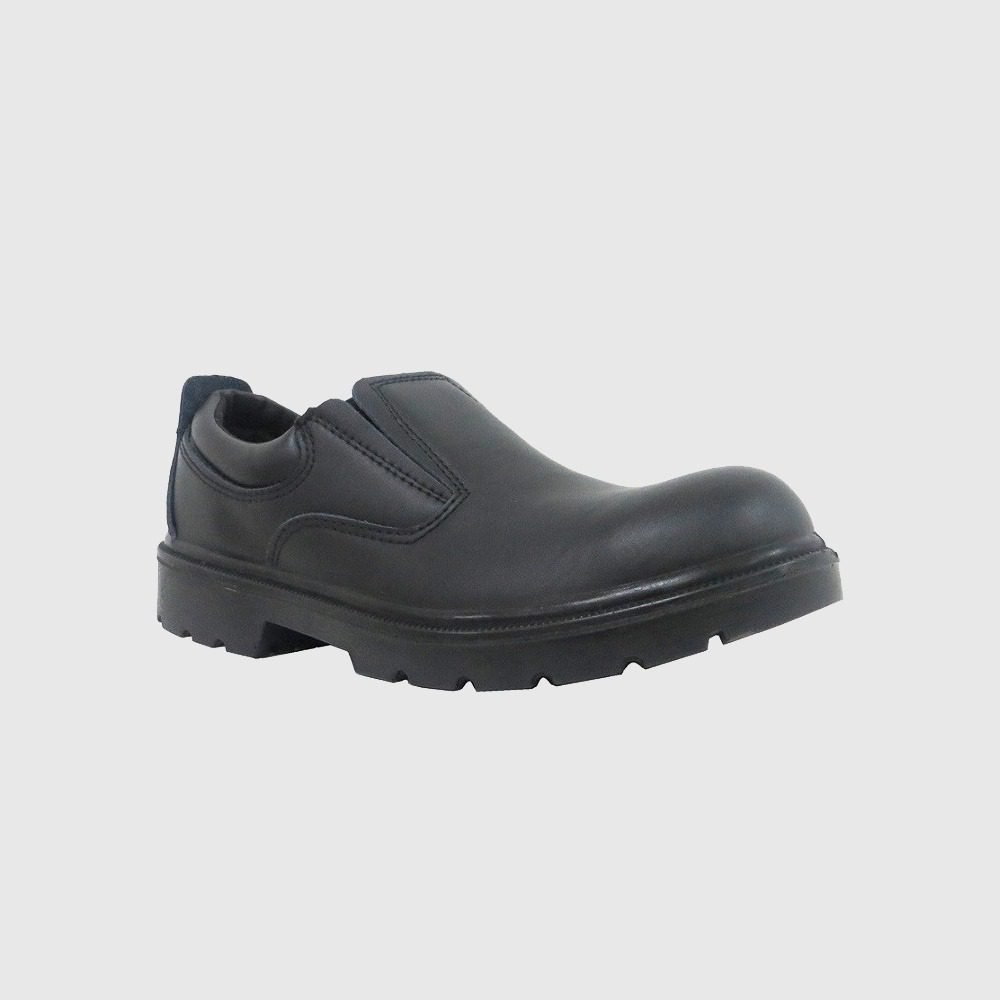
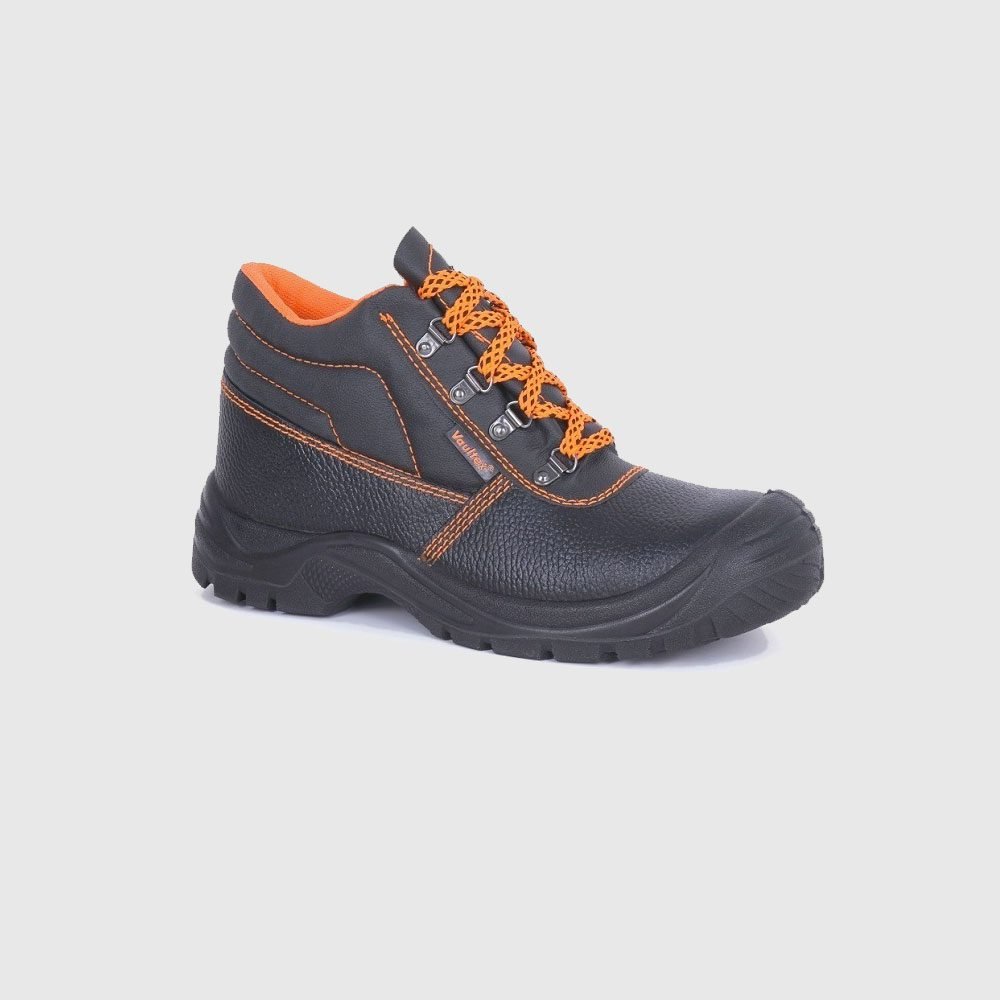
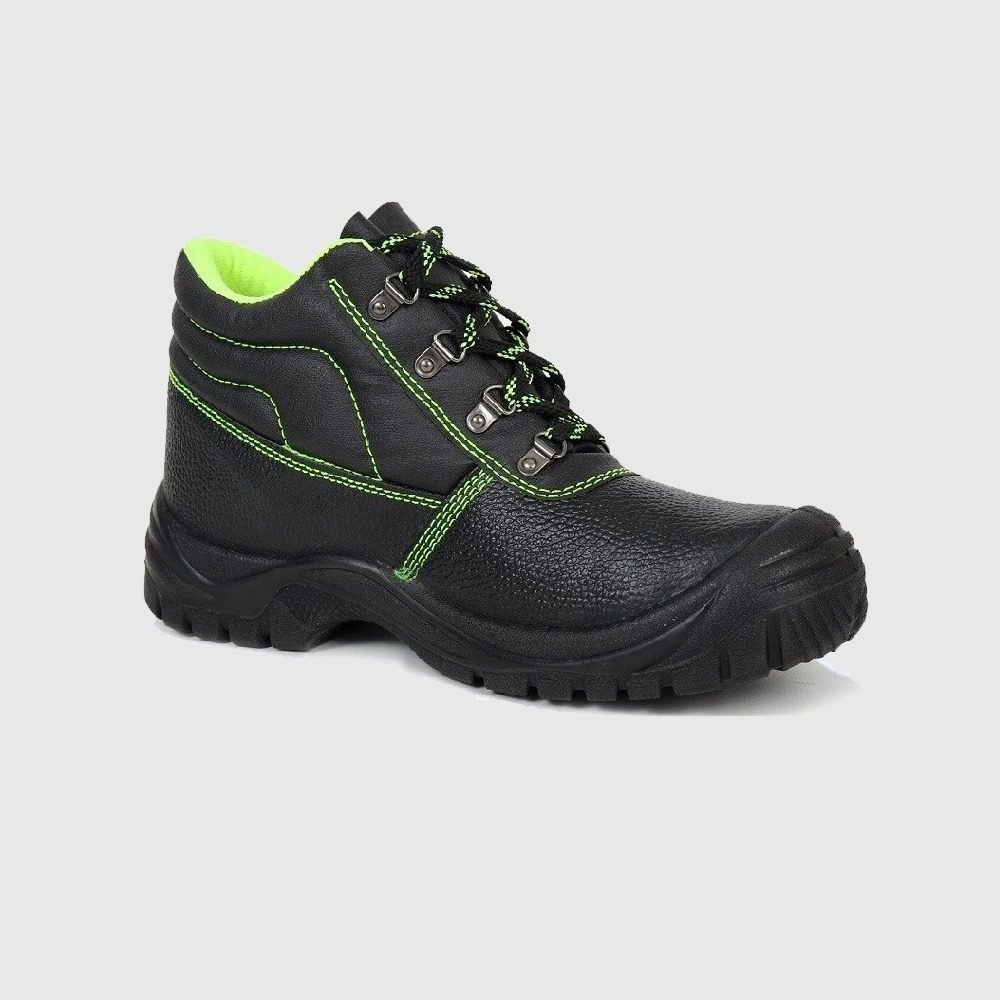


—
Introduction – Why Your Hands Deserve the Best Protection
Imagine you’re on a construction site, a laboratory bench, or even just loading boxes in a warehouse. One slip, one cut, or one chemical splash can turn a routine task into a painful injury that sidelines you for weeks. That’s why protective gloves aren’t just an accessory—they’re a frontline member of your Personal Protective Equipment (PPE) arsenal.
In today’s fast‑paced work environments, the market is flooded with “one‑size‑fits‑all” gloves that promise safety but often fall short on comfort, durability, or the specific hazards you face. This guide cuts through the noise, giving you actionable insights on selecting, using, and caring for the right gloves and other protective wear. By the end, you’ll know exactly how to keep your hands—and your bottom line—safe.
—
1. Understanding the Types of Protective Gloves
Choosing the right glove starts with knowing the threat. Below are the most common categories of hand protection and the hazards they’re designed to combat.
| Glove Type | Primary Protection | Typical Materials | Best For |
|—————-|————————|———————–|————–|
| Cut‑Resistant Gloves | Mechanical cuts, abrasions | High‑performance fibers (Kevlar®, Dyneema®, steel mesh) | Metal fabrication, glass handling, woodworking |
| Chemical‑Resistant Gloves | Corrosive liquids, acids, solvents | Nitrile, neoprene, PVC, butyl rubber | Laboratories, petrochemical plants, cleaning services |
| Heat‑Resistant Gloves | Extreme temperatures, sparks | Kevlar®, aluminized fabric, leather with thermal liners | Welding, foundries, fire‑fighting |
| Electrical Insulating Gloves | Live electrical currents up to 1000 V | Rubber (insulating) with leather outer shell | Electrical maintenance, utility work |
| Disposable Hygiene Gloves | Contamination control, light abrasion | Latex, nitrile, vinyl | Food service, medical, cleanroom environments |
| Impact‑Resistant Gloves | Vibration, crushing forces | Foam padding, gel inserts | Construction, heavy‑equipment operation |
Key takeaway: No single glove can protect against every hazard. Pinpoint the dominant risk in your workflow, then match it with the appropriate glove material and design.
Actionable Tips
1. Perform a hazard assessment – List every task, the chemicals used, and the tools involved.
2. Cross‑reference with glove standards – Look for ASTM, EN, or ISO certifications that guarantee performance levels (e.g., ASTM D120 for cut resistance).
3. Test fit before buying – A glove that’s too loose can snag; too tight reduces dexterity and increases fatigue.
—
2. Choosing the Right Gloves for Your Industry
While the table above gives a broad overview, each industry has its own nuance. Below we break down the top three sectors that rely heavily on hand protection and the specific features you should prioritize.
a. Construction & Heavy‑Industry
- Must‑have features: High cut resistance (Level A5‑A6), reinforced palm, and a rugged outer shell for abrasion.
- Best material combo: Kevlar® lining with a leather palm.
- Bonus tip: Opt for gloves with a quick‑dry coating if you work in wet conditions; this prevents slippage and prolongs glove life.
- Must‑have features: Barrier against pathogens, puncture resistance, and low‑allergen options.
- Best material combo: Powder‑free nitrile (for chemical resistance) or latex (for elasticity) with a textured fingertips for grip.
- Bonus tip: Choose double‑glove systems for high‑risk procedures (e.g., surgery) to add an extra layer of protection without sacrificing dexterity.
- Must‑have features: Resistance to specific chemicals (acid, base, solvent), seamless construction to avoid leaks.
- Best material combo: Butyl rubber for gases, neoprene for oils, or nitrile for a broad spectrum.
- Bonus tip: Keep a glove compatibility chart on the bench. Even “chemical‑resistant” gloves have limits—match the glove’s breakthrough time to the exposure duration.
- Reusable gloves (e.g., leather, heavy‑duty nitrile): Rinse with mild soap, rinse thoroughly, and air‑dry away from direct sunlight.
- Heat‑sensitive gloves: Avoid hot water; use a damp cloth and let them air‑dry.
- Disposable gloves: Discard after a single use or when compromised (tears, punctures, chemical permeation).
- Store gloves in a cool, dry environment—excess heat can degrade rubber compounds.
- Use ventilated bins for disposable gloves to avoid moisture buildup.
- Keep separate compartments for different glove types to prevent cross‑contamination (e.g., chemical gloves should never touch food‑service gloves).
- Base layer: Lightweight, breathable gloves for comfort during low‑risk tasks.
- Intermediate layer: Cut‑resistant or chemical‑resistant gloves for moderate exposure.
- Outer layer: Heavy‑duty, impact‑resistant gloves for high‑risk operations.
- Safety glasses & goggles: Choose gloves with extended cuff lengths to prevent splashes reaching the forearm.
- Respirators: Ensure glove material does not off‑gas chemicals that could compromise filter cartridges.
- Footwear & apparel: Match the ANSI/ISEA rating across all PPE to maintain consistent protection levels.
- Conduct hands‑on glove fitting workshops quarterly.
- Use real‑world scenarios (e.g., simulated chemical spill) to demonstrate correct glove removal techniques that avoid cross‑contamination.
- Celebrate safety milestones (e.g., 30 days without hand injury) to reinforce a culture where PPE is valued, not viewed as a burden.
- Smart gloves with embedded sensors can monitor temperature, exposure time, and even detect punctures in real‑time.
- RFID tagging allows inventory managers to track glove usage patterns and predict re‑order points, reducing downtime.
b. Healthcare & Food Service
c. Laboratories & Chemical Plants
Decision‑Making Checklist
| Question | Yes → Proceed | No → Re‑evaluate |
|———-|—————|——————-|
| Does the glove meet the required ASTM/EN standard? | ✅ | ❌ |
| Is the glove comfortable for the expected wear time? | ✅ | ❌ |
| Does the glove’s material resist the specific hazard? | ✅ | ❌ |
| Is the glove compatible with any required tools (e.g., touchscreen‑compatible for electronics work)? | ✅ | ❌ |
—
3. Proper Care, Maintenance, and Replacement
Even the toughest glove will fail if you neglect maintenance. Below are proven practices that extend service life and keep safety levels high.
Cleaning & Decontamination
Inspection Routine
1. Visual Check (daily): Look for cuts, tears, discoloration, or thinning.
2. Tactile Test (weekly): Run your fingers over the palm and fingertips—any roughness could signal wear.
3. Fit Test (monthly): Slip the glove on; it should stay snug without restricting movement.
If any defect is found, remove the glove from service immediately. Remember, a compromised glove can give a false sense of security.
Storage Solutions
Replacement Schedule
| Glove Type | Typical Lifespan | Replacement Triggers |
|—————-|———————-|————————–|
| Disposable nitrile/latex | 1‑single use | Visible damage, after each shift, or when exposure exceeds 30 minutes |
| Cut‑resistant heavy‑duty | 6‑12 months | Visible wear, after 500 hours of use, or when cut‑resistance rating drops |
| Chemical‑resistant rubber | 1‑2 years (depends on exposure) | Breakthrough test failure, cracking, or after 200 hours of continuous exposure |
| Heat‑resistant gloves | 1‑3 years | Charred spots, loss of insulation, or after 250 hours of high‑heat work |
—
4. Integrating Gloves with a Complete PPE Strategy
Gloves are only one piece of the safety puzzle. To truly protect your workforce, they must work seamlessly with other PPE components.
a. Layered Protection
Switch layers as the task changes—this “glove ladder” reduces fatigue while maintaining protection.
b. Compatibility with Other Gear
c. Training & Culture
d. Technology Boost
—
Conclusion – Key Takeaways for Safer Hands
1. Identify the hazard first. No glove is universal; match the material and rating to the specific risk.
2. Fit matters. A well‑fitted glove enhances dexterity, reduces fatigue, and improves compliance.
3. Maintain and replace. Regular inspection, proper cleaning, and timely replacement keep protection reliable.
4. Integrate gloves into a broader PPE system. Layered protection, equipment compatibility, and ongoing training create a safety net that’s stronger than the sum of its parts.
5. Leverage technology. Smart gloves and RFID tracking can elevate your hand‑protection program from reactive to proactive.
By applying these principles, you’ll not only safeguard your most valuable tool—your hands—but also boost productivity, lower injury‑related costs, and foster a workplace where safety is second nature.
Ready to upgrade your hand protection? Start with a simple hazard audit today, and watch how the right gloves and protective wear transform your safety culture.