
No products in the cart.

—
When it comes to hand protection, the market is flooded with options that promise comfort, durability, and safety. But which glove truly fits your needs? Whether you’re a healthcare professional, a DIY enthusiast, a food‑service worker, or a lab technician, choosing the right pair can make the difference between a productive day and a painful mishap. In this guide we’ll break down the three most popular glove types—nitrile, latex, and PU‑coated (polyurethane‑coated) gloves—and give you the actionable insights you need to make an informed purchase.
—
1. Material Basics: What Makes Each Glove Tick?
Nitrile – The All‑Rounder
- Composition: Synthetic polymer (acrylonitrile‑butadiene rubber).
- Key strengths: Excellent chemical resistance, puncture resistance, and a low allergy risk.
- Typical uses: Medical examinations, automotive repair, laboratory work, food handling (when food‑grade certified).
- Composition: Natural rubber harvested from rubber trees.
- Key strengths: Superior elasticity, a snug “second‑skin” fit, and high tactile sensitivity.
- Typical uses: Surgical procedures, dental work, tattooing, and any task demanding fine motor control.
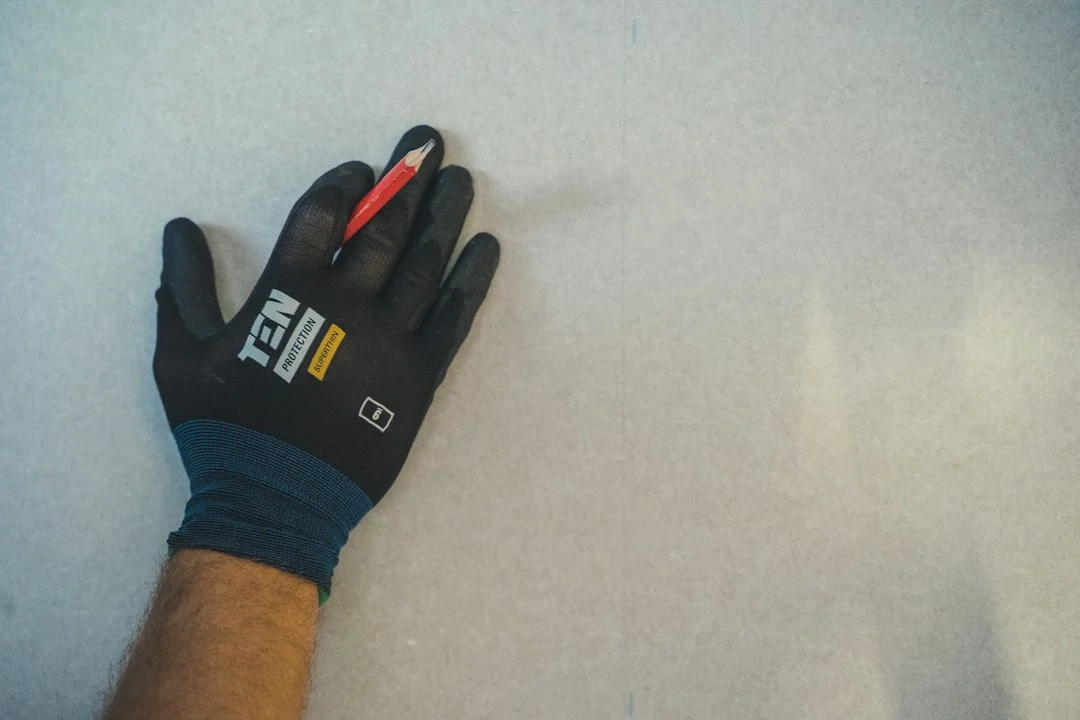
- Composition: Usually a fabric or leather backing coated with a thin layer of polyurethane.
- Key strengths: Outstanding grip on wet or oily surfaces, breathable backing, and moderate chemical resistance.
- Typical uses: Food preparation, warehousing, light industrial tasks, and outdoor work where dexterity and grip matter most.
- If you work with chemicals (cleaning agents, solvents, automotive fluids), prioritize nitrile.
- If you need ultra‑fine tactile control (surgery, electronics assembly), latex is still the gold standard—provided you or your team aren’t latex‑allergic.
- If grip is your top priority (handling greasy trays, wet tools, or slippery parts), PU‑coated gloves give you that “sticky” feel without sacrificing comfort.
- Fit: Generally a “one‑size‑fits‑most” design with a tapered cuff.
- Breathability: Moderate; thicker nitrile can trap heat, but many brands now offer “powder‑free” and “low‑profile” options that improve airflow.
- Fit tip: Look for “ergonomic” or “contoured” nitrile gloves to reduce hand fatigue on long shifts.
- Fit: Exceptional stretch; conforms to every contour.
- Breathability: Natural rubber is porous, allowing some moisture escape, but the snug fit can cause sweating for extended wear.
- Fit tip: Choose “powder‑free” latex gloves to avoid irritation and maintain a cleaner work environment.
- Fit: The underlying fabric (often polyester or cotton) determines the base fit; the PU coating adds a thin, flexible layer.
- Breathability: High—fabric backing lets air circulate, making them ideal for hot environments.
- Fit tip: Opt for gloves with a “flex zone” around the fingertips for better dexterity.
- Test the glove (many suppliers provide sample packs). Slip a glove on and make a fist; if you feel any restriction, move to a more ergonomic style.
- Consider the work duration: For shifts longer than 4‑5 hours, prioritize breathability (PU‑coated or thin nitrile) over sheer durability.
- FDA & CE: Both nitrile and latex gloves must meet FDA 510(k) clearance for medical use. Nitrile is often preferred for patients with latex sensitivities.
- ASTM Standards: Look for ASTM D6319 (nitrile) or ASTM D6313 (latex) compliance to guarantee barrier performance.
- FDA Food‑Contact: PU‑coated gloves must be FDA‑approved for food contact. Nitrile gloves labeled “food‑grade” also meet the criteria.
- Hygiene: Powder‑free options are mandatory in most commercial kitchens to avoid cross‑contamination.
- OSHA & ANSI: Nitrile gloves that meet ANSI/ISEA 105-2016 provide the highest puncture resistance rating.
- Chemical Compatibility Charts: Always cross‑reference the glove material with the specific chemicals you’ll encounter.
- Create a compliance checklist before purchasing:
- Buy in bulk for the glove type you use most; volume discounts can shave 10‑20% off the per‑pair price.
- Track glove failures (tears, punctures) for a month. If you’re replacing nitrile gloves every 4‑6 hours, you may need a thicker grade or a switch to PU‑coated gloves for tasks that demand more grip than barrier protection.
- Nitrile is the safest all‑rounder for chemical resistance and allergy‑free environments.
- Latex remains unbeatable for fit and tactile precision, but only when latex allergy isn’t a factor.
- PU‑coated gloves excel where grip and breathability are paramount, especially in food service and light industrial work.
Latex – The Classic Comfort Champion
PU‑Coated Gloves – The Grip‑Focused Hybrid
—
2. Performance Metrics: How Do They Stack Up?
| Feature | Nitrile | Latex | PU‑Coated |
|———|———|——-|———–|
| Chemical Resistance | ★★★★★ (strong acids, oils, solvents) | ★★☆☆☆ (limited to mild chemicals) | ★★★☆☆ (good for water‑based solutions) |
| Puncture Resistance | ★★★★★ (up to 30% better than latex) | ★★★☆☆ | ★★☆☆☆ |
| Tactile Sensitivity | ★★★★☆ (thin but durable) | ★★★★★ (best fit) | ★★★☆☆ (fabric backing reduces feel) |
| Grip on Wet/Oily Surfaces | ★★★☆☆ (textured nitrile helps) | ★★☆☆☆ | ★★★★★ (PU coating shines) |
| Allergy Potential | ★☆☆☆☆ (hypoallergenic) | ★★★★★ (high latex protein) | ★☆☆☆☆ (non‑latex) |
| Cost per Pair (average) | $0.08–$0.15 | $0.07–$0.12 | $0.12–$0.20 |
Stars are a quick visual guide; the actual performance depends on thickness, brand, and glove design.
Actionable Insight
—
3. Comfort & Fit: The Day‑Long Wear Factor
Nitrile
Latex
PU‑Coated
Actionable Insight
—
4. Safety & Compliance: What the Regulations Say
Medical & Laboratory Settings
Food Service & Hospitality
Industrial & Chemical Environments
Actionable Insight
1. Identify the industry standard (FDA, ASTM, OSHA).
2. Verify the glove’s certification number.
3. Match the glove’s chemical resistance chart to your workflow.
4. Document any allergy considerations for your team.
—
5. Cost vs. Longevity: Getting the Best ROI
| Scenario | Recommended Glove | Reason | Approx. Cost (per 100) |
|———-|——————-|——–|————————|
| High‑volume medical exams | Nitrile (powder‑free) | Low allergy risk, reliable barrier | $8–$12 |
| Surgical suite | Latex (powder‑free, surgical grade) | Superior fit & tactile feel | $7–$11 |
| Automotive shop | Nitrile (heavy‑duty) | Chemical & oil resistance | $10–$15 |
| Restaurant kitchen | PU‑coated (food‑grade) | Grip on wet surfaces, breathable | $12–$18 |
| Construction site (light tasks) | PU‑coated (reinforced) | Grip + durability without high cost | $15–$20 |
Actionable Insight
—
Conclusion: Picking the Perfect Pair
Choosing between nitrile, latex, and PU‑coated gloves isn’t a one‑size‑fits‑all decision. It hinges on three core factors:
1. Risk Profile – Chemical exposure, puncture hazards, and allergy concerns dictate the baseline material.
2. Task Demands – Grip, tactile sensitivity, and breathability shape the day‑to‑day comfort.
3. Regulatory Requirements – Compliance with FDA, ASTM, OSHA, or food‑service standards is non‑negotiable.
Key Takeaways
By aligning your glove choice with the specific demands of your job, you’ll boost safety, improve productivity, and ultimately save money. Keep a small sample kit on hand, test the fit, and always verify compliance—your hands (and your bottom line) will thank you.
Happy glove hunting!