
No products in the cart.
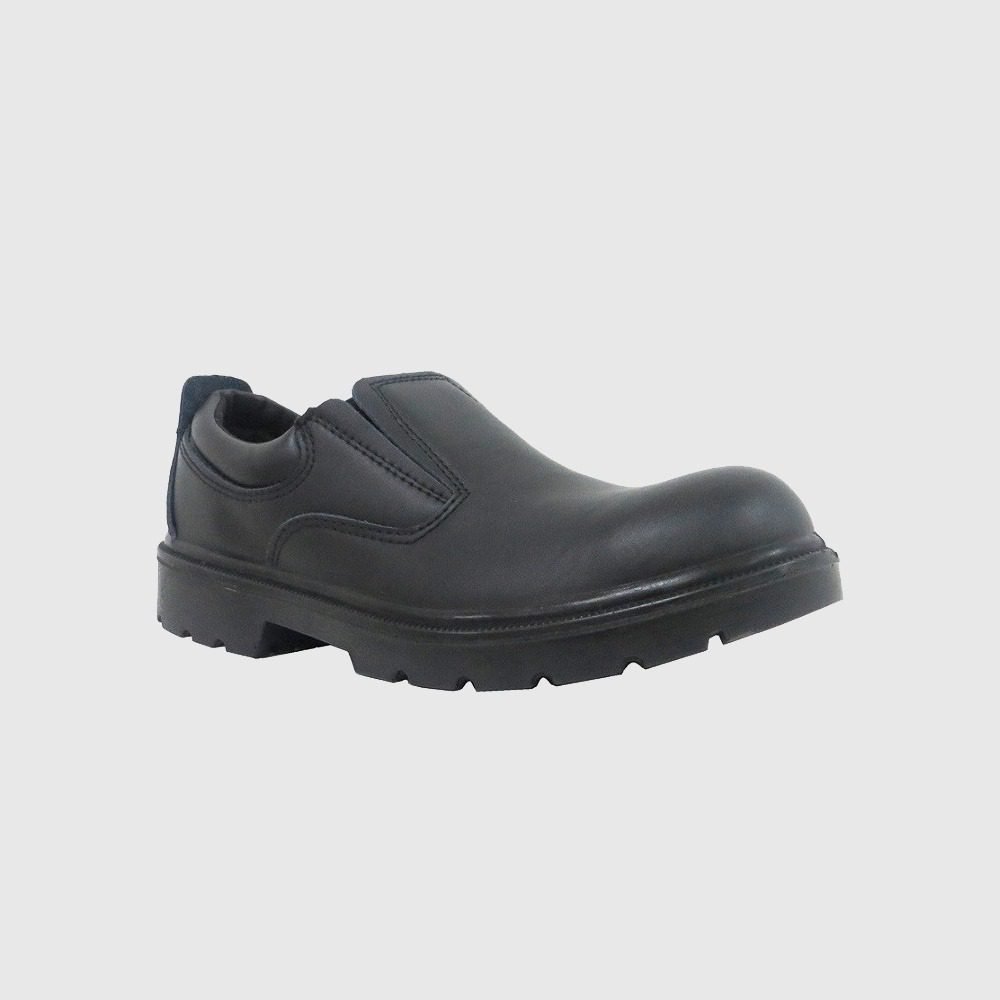
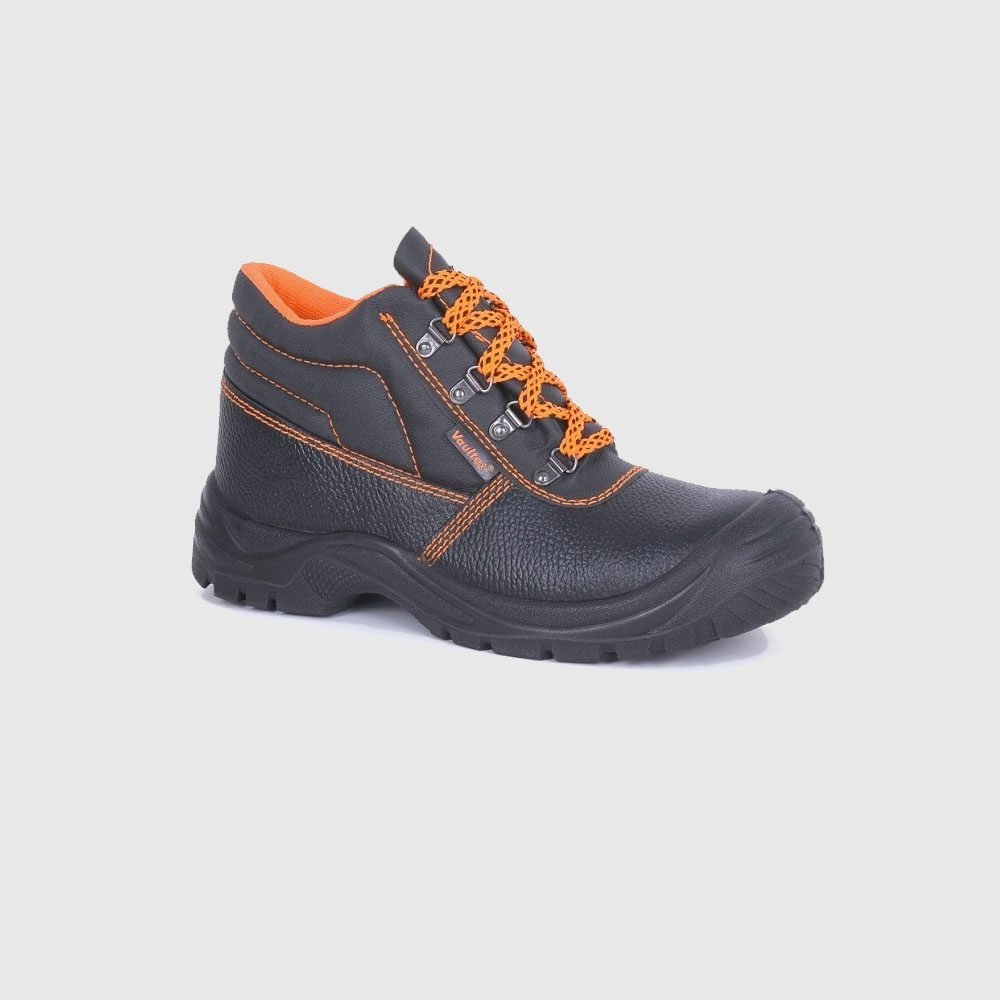
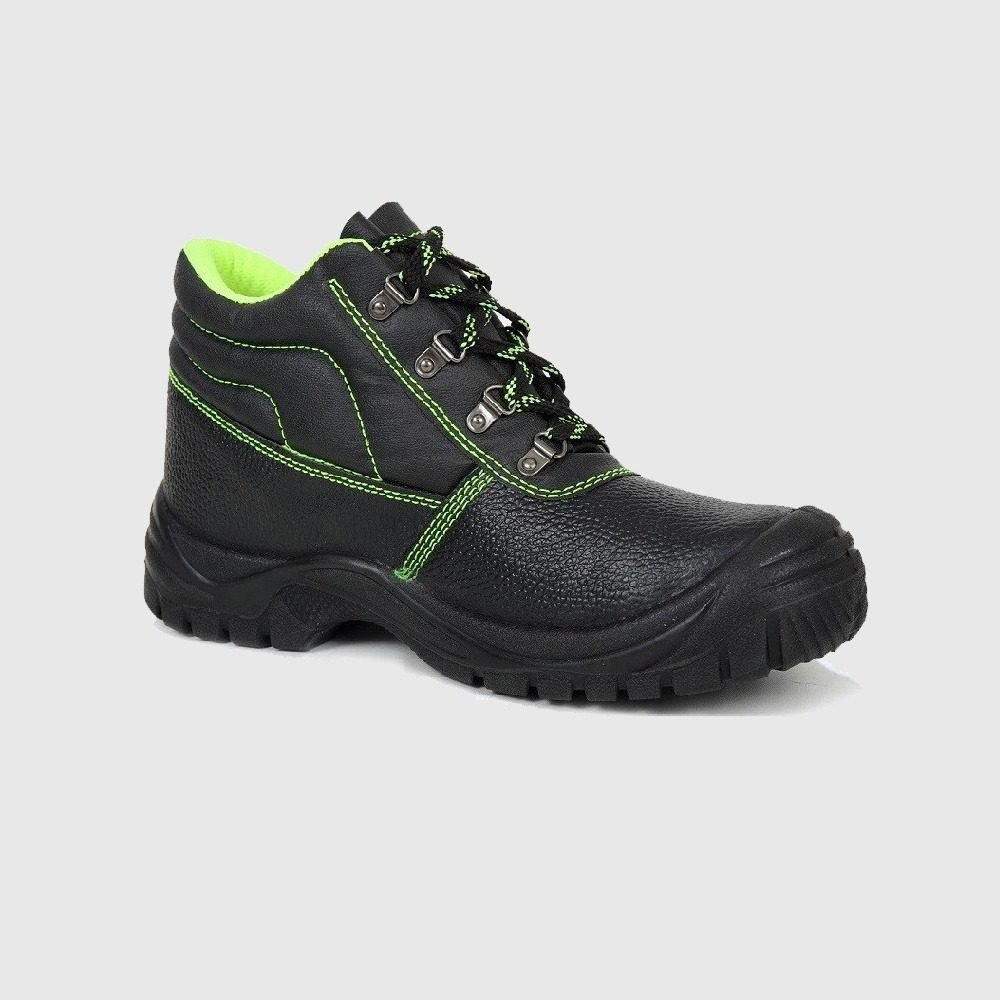
As a warehouse worker, you’re no stranger to the hazards that come with the job. From heavy machinery to slippery floors, the risks are real, and the last thing you want is to compromise your safety. When it comes to protecting your feet, the age-old debate between steel-toe boots and composite-toe boots has been a longstanding one. But which type of boot is best for warehouse work? In this article, we’ll dive into the world of safety footwear, exploring the pros and cons of each option, and helping you make an informed decision to keep your feet safe and secure on the job.
Understanding the Basics: Steel-Toe Boots
Steel-toe boots have been the gold standard for safety footwear in warehouses for decades. These boots feature a steel toe cap that provides a high level of protection against heavy objects, compression, and punctures. Steel-toe boots are often heavier and more rigid than their composite counterparts, but they offer unparalleled protection against extreme hazards. They’re also generally less expensive than composite-toe boots, making them a popular choice for budget-conscious employers. However, steel-toe boots can be uncomfortable in hot or cold temperatures, and the metal toe cap can conduct heat or cold, making them less ideal for extreme environments.
When it comes to steel-toe boots, it’s essential to look for boots that meet the American Society for Testing and Materials (ASTM) standards for safety footwear. The ASTM F2413 standard requires that steel-toe boots meet specific requirements for impact resistance, compression resistance, and puncture resistance. By choosing boots that meet these standards, you can ensure that your feet are protected against a range of hazards, from falling objects to punctures from sharp edges.
The Composite Advantage: Composite-Toe Boots
Composite-toe boots, on the other hand, use non-metallic materials, such as carbon fiber or plastic, to provide protection against hazards. These boots are often lighter and more flexible than steel-toe boots, making them a great choice for workers who need to move quickly and easily around the warehouse. Composite-toe boots are also more comfortable in extreme temperatures, as they don’t conduct heat or cold like metal toe caps. However, they may not provide the same level of protection as steel-toe boots, and they can be more expensive.
One of the significant advantages of composite-toe boots is their ability to withstand extreme temperatures. In freezing cold or scorching hot environments, composite-toe boots can provide a level of comfort and protection that steel-toe boots can’t match. Additionally, composite-toe boots are often more breathable, reducing the risk of sweat buildup and blisters. When choosing composite-toe boots, look for boots that meet the ASTM F2413 standard, just like steel-toe boots. This ensures that your boots provide a high level of protection against hazards, even if they’re not made of metal.
Safety Features to Consider
When choosing between steel-toe boots and composite-toe boots, it’s essential to consider the specific safety features you need. If you work with heavy machinery or in an environment where extreme hazards are present, steel-toe boots may be the better choice. However, if you work in a warehouse where the primary hazard is slipping or tripping, composite-toe boots may provide the perfect balance of protection and comfort.
Some key safety features to consider when choosing safety boots include:
- Slip-resistant outsoles to prevent slipping on oily or wet surfaces
- Puncture-resistant midsoles to protect against sharp objects
- Breathable materials to reduce sweat buildup and blisters
- Ankle support to prevent twists and sprains
- Electrical hazard protection to prevent shock from live electrical sources
- Steel-toe boots provide unparalleled protection against extreme hazards, but may be heavier and less comfortable in extreme temperatures.
- Composite-toe boots offer a lighter, more flexible alternative, but may not provide the same level of protection as steel-toe boots.
- Look for boots that meet the ASTM F2413 standard for safety footwear, regardless of whether you choose steel-toe or composite-toe boots.
- Consider the specific safety features you need, such as slip-resistant outsoles, puncture-resistant midsoles, and breathable materials.
- Choose boots that provide the perfect balance of protection and comfort for your specific work environment.
By considering these safety features and choosing boots that meet your specific needs, you can ensure that your feet are protected against a range of hazards, from extreme temperatures to punctures and slips.
Real-World Applications: Choosing the Right Boot for the Job
So, how do you choose the right boot for the job? The answer depends on your specific work environment and the hazards you face on a daily basis. If you work in a warehouse where heavy machinery is present, steel-toe boots may be the better choice. However, if you work in a warehouse where the primary hazard is slipping or tripping, composite-toe boots may provide the perfect balance of protection and comfort.
In real-world applications, many workers choose to wear composite-toe boots for their comfort and flexibility, while still providing a high level of protection against hazards. For example, warehouse workers who need to move quickly and easily around the warehouse may prefer composite-toe boots, while workers who operate heavy machinery may prefer steel-toe boots.
Conclusion: Key Takeaways
When it comes to choosing between steel-toe boots and composite-toe boots for warehouse work, the decision ultimately comes down to your specific needs and the hazards you face on the job. By considering the pros and cons of each option, as well as the safety features you need, you can make an informed decision to keep your feet safe and secure.
Key takeaways to keep in mind:
By following these tips and choosing the right boot for the job, you can ensure that your feet are protected against a range of hazards, from extreme temperatures to punctures and slips. Remember, safety is everyone’s responsibility, and the right pair of boots can make all the difference in keeping you safe and secure on the job.