
No products in the cart.


As a business owner or facility manager, ensuring the safety and well-being of your employees, visitors, and assets is of utmost importance. One often overlooked yet crucial aspect of workplace safety is the use of warning tape and other visual warning devices. These simple yet effective tools can help prevent accidents, reduce liability, and promote a culture of safety within your organization. In this comprehensive guide, we’ll delve into the world of warning tape and explore its various types, applications, and benefits, as well as discuss other essential safety measures to consider.
Understanding the Importance of Warning Tape
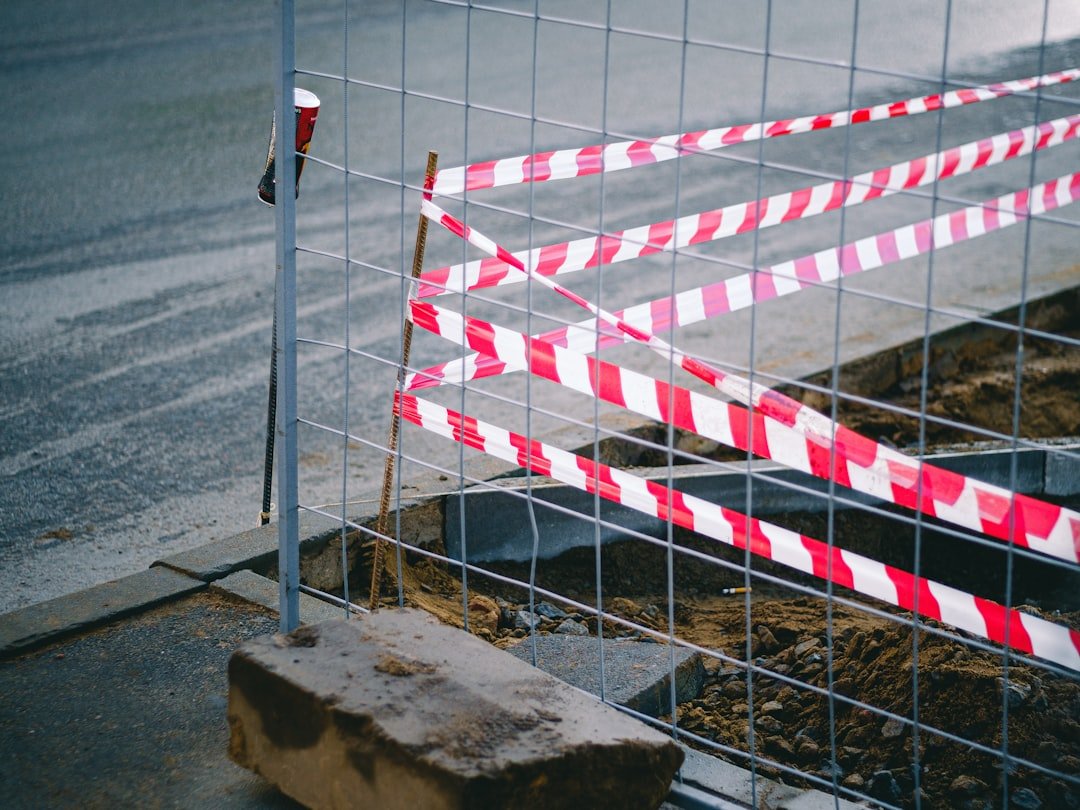
Warning tape, also known as caution tape or barrier tape, is a type of adhesive tape used to alert people to potential hazards, mark restricted areas, and provide visual warnings. It’s commonly used in construction sites, warehouses, factories, and other industrial settings where safety is a top priority. The primary purpose of warning tape is to prevent accidents and injuries by creating a clear visual barrier between safe and hazardous areas. With its bright colors and bold patterns, warning tape is designed to grab attention and convey important safety information quickly and effectively.
When it comes to choosing the right warning tape for your workplace, there are several factors to consider. Look for tape that is durable, water-resistant, and easy to apply. You should also consider the type of surface you’ll be applying the tape to, as well as the level of foot traffic and exposure to the elements. Some popular types of warning tape include:
- Yellow and black warning tape: This is the most common type of warning tape and is often used to mark caution areas, such as wet floors or uneven surfaces.
- Red and white warning tape: This type of tape is typically used to indicate more serious hazards, such as electrical or chemical dangers.
- Orange and white warning tape: This tape is often used in construction sites to mark areas where excavation or demolition work is taking place.
- Marking hazardous areas: Warning tape can be used to mark areas where chemicals, electrical equipment, or other hazards are present.
- Restricting access: Warning tape can be used to block off areas that are under construction, being repaired, or are otherwise off-limits.
- Providing directional guidance: Warning tape can be used to guide people through a workspace or to direct them away from hazards.
- Creating temporary boundaries: Warning tape can be used to create temporary boundaries or barriers, such as during events or in emergency situations.
- Signage: Clear and concise signage can help to reinforce safety messages and provide important information to employees and visitors.
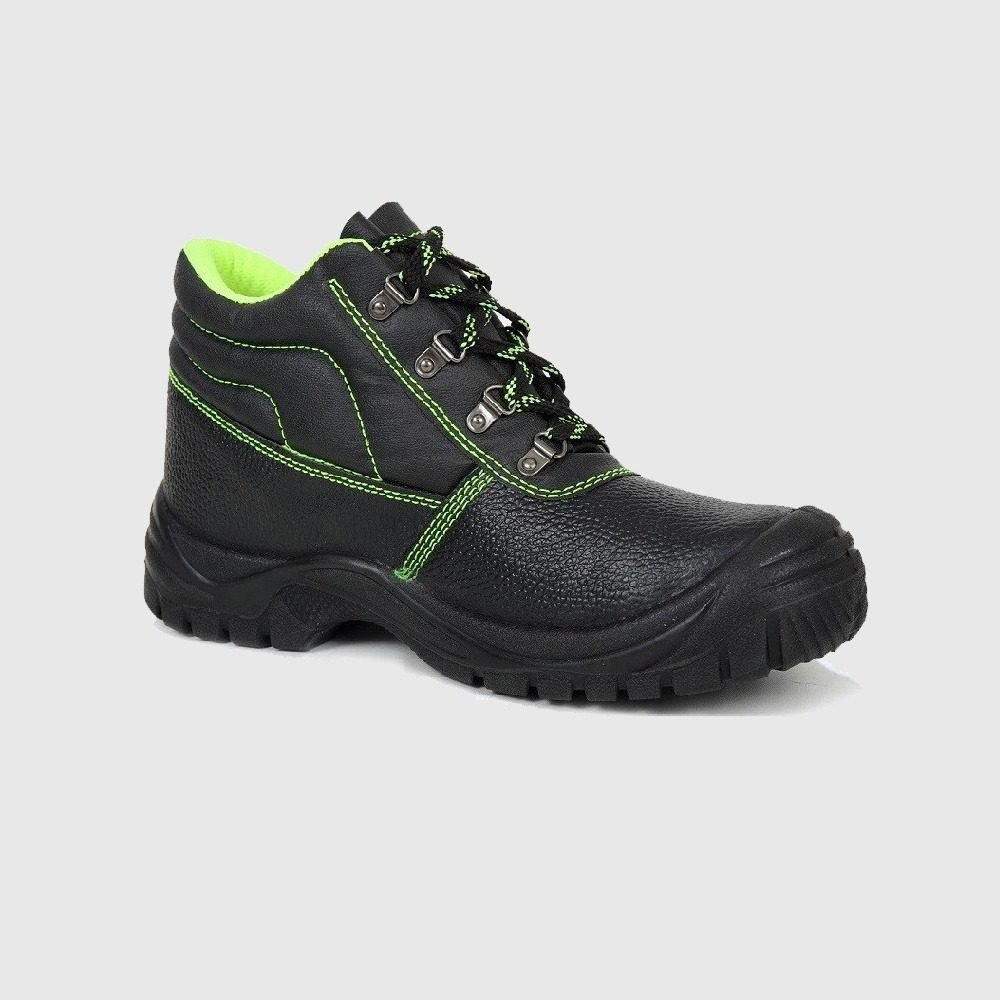
- Personal protective equipment (PPE): Providing PPE, such as hard hats, gloves, and safety glasses, can help to prevent injuries and reduce the risk of accidents.
- Safety training: Regular safety training and drills can help to ensure that employees are prepared in the event of an emergency and know how to respond to hazards.
- Regular maintenance: Regular maintenance and inspections can help to identify and address potential hazards before they become major issues.
- Use warning tape consistently: Use warning tape consistently throughout your workplace to create a clear and recognizable visual language.
- Apply tape correctly: Apply tape correctly to ensure it stays in place and remains effective.
- Replace tape regularly: Replace tape regularly to ensure it remains visible and effective.
- Use tape in conjunction with other safety measures: Use warning tape in conjunction with other safety measures, such as signage and PPE, to create a comprehensive safety strategy.
Applications and Uses of Warning Tape
Warning tape is an incredibly versatile tool that can be used in a variety of settings and applications. Some common uses of warning tape include:
In addition to its practical uses, warning tape can also play a crucial role in promoting a culture of safety within your organization. By clearly marking hazards and restricted areas, you can demonstrate your commitment to safety and reduce the risk of accidents and injuries.
Beyond Warning Tape: Other Essential Safety Measures
While warning tape is an important tool in promoting workplace safety, it’s just one part of a larger safety strategy. Other essential safety measures to consider include:
By combining warning tape with these other safety measures, you can create a comprehensive safety strategy that protects your employees, visitors, and assets.
Best Practices for Using Warning Tape
To get the most out of your warning tape, it’s essential to follow best practices for its use and application. Here are some tips to keep in mind:
By following these best practices and using warning tape effectively, you can help to create a safer, more compliant workplace that protects your employees, visitors, and assets.
In conclusion, warning tape is a simple yet effective tool that can play a crucial role in promoting workplace safety and compliance. By understanding the importance of warning tape, exploring its various applications and uses, and combining it with other essential safety measures, you can create a comprehensive safety strategy that protects your organization and promotes a culture of safety. Remember to follow best practices for using warning tape, and don’t hesitate to reach out to safety experts or suppliers for guidance and support. With the right safety strategy in place, you can reduce the risk of accidents and injuries, improve compliance, and create a safer, more productive workplace for everyone.