
No products in the cart.

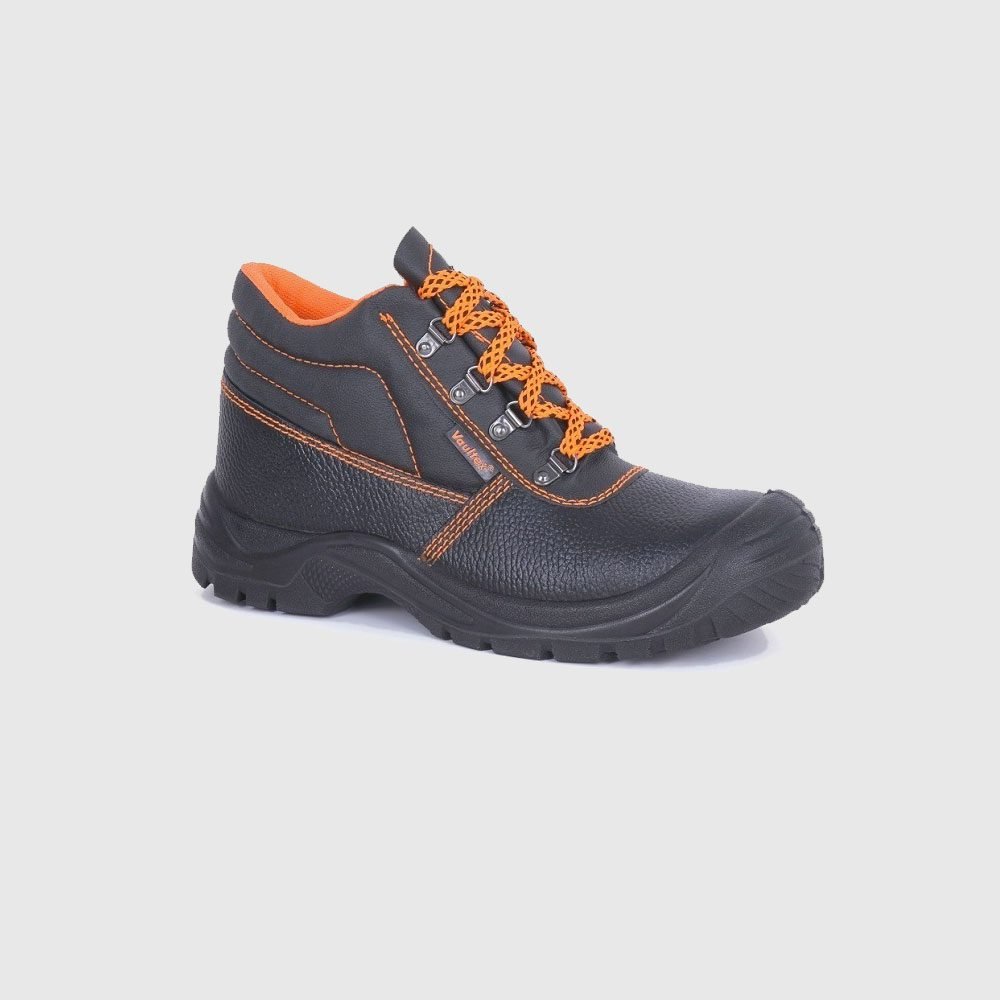
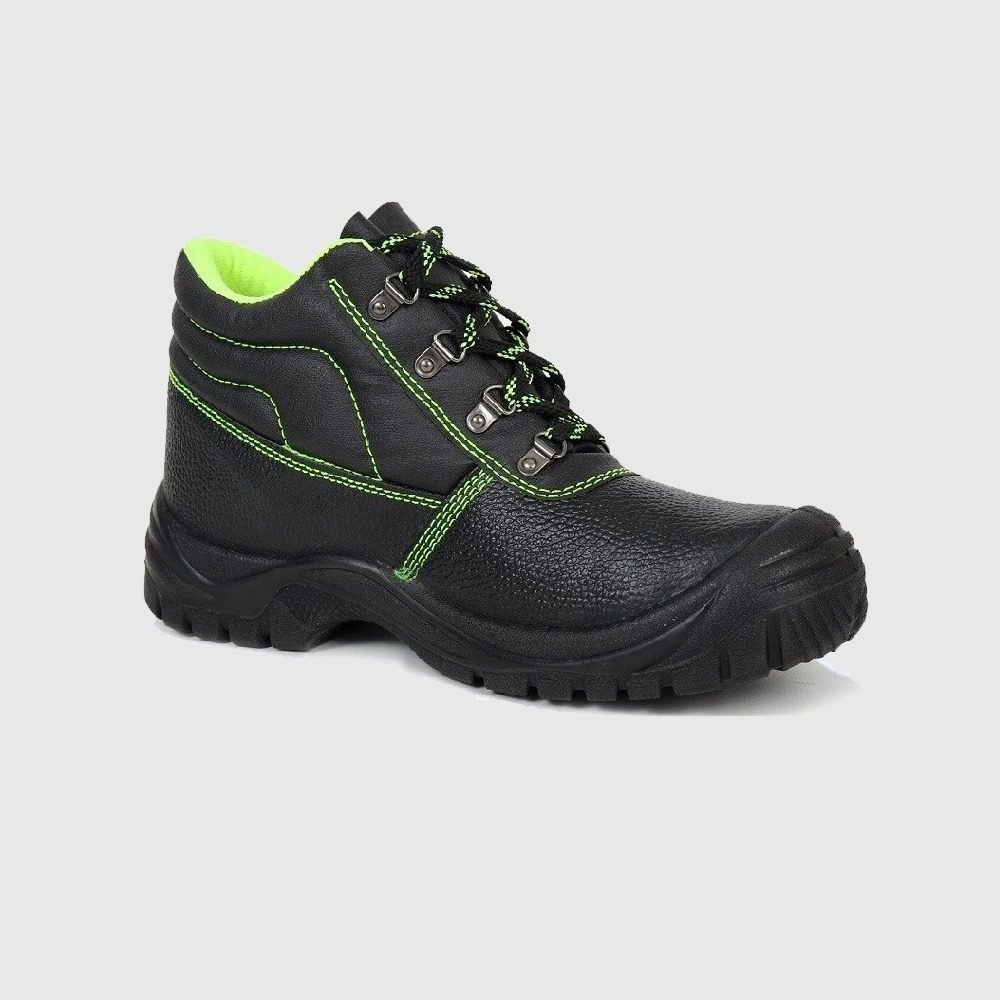


—
Introduction – Why HSE Compliance Is the Secret Weapon Your Business Can’t Ignore
Imagine walking into a factory where every machine hums in perfect harmony, employees move confidently, and the air feels clean. No accidents, no fines, just smooth operations that keep profits climbing. That picture isn’t a fantasy—it’s the result of solid HSE compliance (Health, Safety, and Environmental compliance).
In today’s hyper‑regulated world, neglecting HSE isn’t just a moral lapse; it’s a financial risk. From hefty OSHA fines to costly production shutdowns, the price of non‑compliance can cripple even the most robust business. Conversely, a strong HSE program boosts employee morale, protects the planet, and builds a reputation that attracts customers and top talent.
If you’re ready to turn compliance from a checkbox into a competitive advantage, keep reading. This guide breaks down the essential steps, tools, and mindsets you need to master HSE compliance—delivered in a conversational, actionable format that you can start applying today.
—
1. Build a Solid HSE Management System (HSE‑MS)
A well‑structured HSE management system is the backbone of any compliance strategy. Think of it as the operating system that keeps every safety and environmental process running smoothly.
1.1 Define Clear Policies and Objectives
- Write concise policies that cover health, safety, and environmental responsibilities. Use plain language so every employee understands the expectations.
- Set SMART objectives (Specific, Measurable, Achievable, Relevant, Time‑bound). Example: “Reduce recordable injury rate by 20 % within 12 months.”
- Designate an HSE champion—often a senior manager or dedicated HSE officer—who owns the compliance program.
- Create a responsibility matrix (RACI) that outlines who is Responsible, Accountable, Consulted, and Informed for each HSE activity.
- Develop standard operating procedures (SOPs) for high‑risk tasks such as lock‑out/tag‑out, confined space entry, and hazardous waste handling.
- Use visual aids—flowcharts, checklists, infographics—to make procedures easy to follow on the shop floor.
- Choose a cloud‑based HSE software that integrates risk assessment, incident reporting, audit tracking, and training management.
- Automation reduces paperwork, improves data accuracy, and provides real‑time dashboards for senior leadership.
- Walk the workplace with a multidisciplinary team (operations, maintenance, HSE). Use the “5‑Why” technique to dig deeper into each observed hazard.
- Leverage historical incident data and near‑miss reports to uncover hidden risks.
- Apply a risk matrix that scores likelihood (1‑5) against severity (1‑5). Focus first on high‑risk items (scores 15‑25).
- Document findings in a risk register that includes risk owner, mitigation deadline, and status.
- Schedule quarterly risk reassessments for dynamic environments (construction sites, manufacturing lines).
- Integrate change‑management reviews whenever new equipment, chemicals, or processes are introduced.
- Executives should wear PPE during site visits, ask safety‑related questions, and publicly recognize safe behaviors.
- Transparency about near‑misses and lessons learned demonstrates that safety is prioritized over blame.
- Implement a “Stop‑Work Authority” program that lets anyone halt work if they perceive a danger.
- Create safety suggestion boxes (digital or physical) and reward actionable ideas.
- Use micro‑learning modules (5‑minute videos, quizzes) to keep knowledge fresh.
- Conduct toolbox talks at shift changes—focus on one specific hazard or recent incident each session.
- Deploy safety climate surveys annually to gauge employee perception of HSE leadership, communication, and trust.
- Track leading indicators such as near‑miss reporting rates, training completion, and safety observation counts.
- Schedule audits at least semi‑annually, covering all functional areas (operations, maintenance, procurement).
- Use a checklist aligned with regulatory standards (OSHA 1910, ISO 45001, EPA 40 CFR).
- Pursue ISO 45001 certification or ISO 14001 for environmental management to demonstrate global best practices.
- Invite third‑party auditors to validate your compliance and provide unbiased recommendations.
- Follow a root‑cause analysis (RCA) framework—such as the “5‑Why” or Fishbone diagram—to uncover underlying factors.
- Document findings in an incident report that includes corrective actions, responsible parties, and due dates.
- Generate real‑time dashboards that display key performance indicators (KPIs): recordable injury rate, environmental discharge levels, audit findings closed.
- Share concise monthly compliance summaries with senior leadership to keep HSE top‑of‑mind.
- Sign up for OSHA alerts, EPA newsletters, and industry‑specific regulatory feeds.
- Use a regulatory watch service (e.g., LexisNexis, Compliance.ai) that flags changes relevant to your operations.
- When a new rule is announced, assemble a cross‑functional team to assess impact, estimate costs, and develop an implementation timeline.
- Revise SOPs, risk registers, and training modules within 30 days of a regulatory change.
- Communicate updates through multichannel alerts (email, intranet, signage) to ensure awareness.
- Participate in trade associations and local safety councils. Networking provides early insights and best‑practice solutions.
1.2 Assign Roles & Responsibilities
1.3 Document Procedures and Work Instructions
1.4 Implement a Digital HSE Platform
Actionable tip: Conduct a quick “policy gap analysis” this week. Compare your current policies with the latest OSHA, EPA, and ISO 45001 requirements. Note any missing elements and prioritize updates.
—
2. Conduct Effective Risk Assessments and Controls
Risk assessment is the engine that drives proactive safety. Without a systematic approach, you’re reacting to incidents rather than preventing them.
2.1 Identify Hazards
2.2 Evaluate Risks
2.3 Implement Controls Using the Hierarchy of Controls
1. Elimination – Remove the hazard entirely (e.g., replace a toxic solvent with a water‑based alternative).
2. Substitution – Swap for a less hazardous material or equipment.
3. Engineering Controls – Install guards, ventilation, or automatic shut‑offs.
4. Administrative Controls – Revise work schedules, implement permit‑to‑work systems.
5. Personal Protective Equipment (PPE) – Provide appropriate gear as the last line of defense.
2.4 Review and Update Regularly
Actionable tip: Pick one high‑risk task this month, run a full risk assessment, and implement at least one engineering control. Track the impact on incident rates for the next 90 days.
—
3. Foster a Strong Safety Culture
Compliance isn’t just paperwork; it’s a mindset that lives in every conversation, decision, and behavior. A robust safety culture turns employees into active participants in HSE compliance.
3.1 Lead by Example
3.2 Empower Employees
3.3 Continuous Training & Communication
3.4 Measure Cultural Health
Actionable tip: Launch a “Safety Champion” program this quarter. Nominate one employee per department to lead weekly safety huddles and report progress to the HSE manager.
—
4. Master Compliance Audits and Reporting
Audits are the reality check that tells you whether your HSE management system actually works.
4.1 Internal Audits
4.2 External Audits & Certifications
4.3 Incident Investigation & Reporting
4.4 Data‑Driven Reporting
Actionable tip: Conduct a mock audit next month. Use the results to create a corrective‑action plan, then track closure rates weekly. Celebrate milestones to keep momentum high.
—
5. Stay Ahead of Regulatory Changes
Regulations evolve—new chemical standards, updated ergonomics guidelines, or stricter emissions limits can appear overnight.
5.1 Subscribe to Official Updates
5.2 Conduct Impact Analyses
5.3 Update Policies & Training Promptly
5.4 Engage with Industry Groups
Actionable tip: Assign a “Regulatory Liaison” for the next quarter—someone responsible for scanning updates and briefing the HSE team each week.
—
Conclusion – Key Takeaways for Sustainable HSE Success
1. Design a robust HSE Management System that includes clear policies, defined roles, documented procedures, and a digital platform for transparency.
2. Conduct systematic risk assessments and apply the hierarchy of controls to eliminate or mitigate hazards before they cause harm.
3. Cultivate a proactive safety culture where leadership walks the talk, employees feel empowered, and continuous training is the norm.
4. Master audits and reporting to verify that your HSE program is effective, compliant, and continuously improving.
5. Stay ahead of regulatory changes through vigilant monitoring, impact analysis, and swift policy updates.
By embedding these five pillars into daily operations, HSE compliance transforms from a regulatory burden into a strategic driver of operational excellence, employee well‑being, and environmental stewardship. Start implementing one actionable tip today, measure the results, and watch your workplace evolve into a model of safety and sustainability.
Ready to take the next step? Download our free HSE compliance checklist and begin your journey toward a safer, greener, and more profitable future.