
No products in the cart.
—
Introduction – The Tiny Accessory That Makes a Big Difference
Imagine walking into a bustling kitchen, a hospital operating room, or a clean‑room lab. The air hums with activity, surfaces sparkle, and every detail matters—except for one tiny, often‑overlooked item: the hairnet. While it may seem like a simple piece of mesh, a hairnet is a frontline defender of food safety, patient health, and product quality. In this comprehensive guide we’ll explore everything you need to know about hairnets—what they are, the different types available, how to pick the perfect one for your industry, and the best practices for using them correctly. By the end, you’ll understand why this modest accessory deserves a spot at the top of your hygiene checklist and how it can keep your business compliant, safe, and reputable.
—
1. What Are Hairnets and Why Do They Matter?
1.1 The Basics of a Hairnet
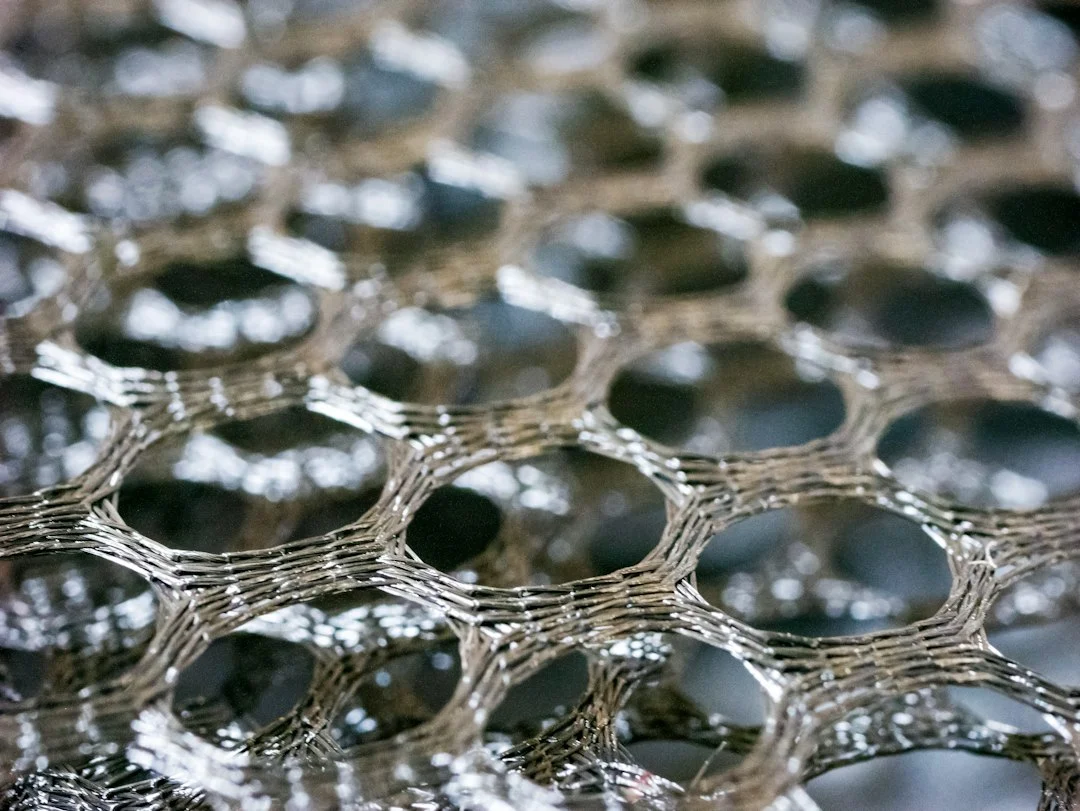
A hairnet is a lightweight, breathable mesh cap designed to contain loose hair and prevent it from falling onto food, sterile surfaces, or equipment. Most hairnets are made from nylon, polyester, or a blend of synthetic fibers, providing a balance of durability and comfort. They come in various styles—full‑coverage caps, half‑caps, and even “cobweb” designs for specific tasks.
1.2 Key Benefits for Food Safety
- Reduces Contamination: Hair is a recognized source of physical contaminants. A single stray strand can lead to a product recall, a customer complaint, or even a health department violation.
- Meets Regulatory Standards: The FDA, USDA, and many international food safety bodies (e.g., EFSA, FSANZ) require hair containment in food‑handling areas.
- Boosts Consumer Trust: Visible hygiene practices, like wearing hairnets, signal professionalism and reassure customers that you prioritize safety.
- Healthcare: In operating rooms and sterile pharmacies, hairnets prevent particles from entering wounds or sterile medication.
- Manufacturing & Clean Rooms: Electronics, aerospace, and pharmaceutical production demand ultra‑clean environments; hairnets are a simple way to meet ISO 14644 clean‑room standards.
- Beauty & Personal Care: Salons and spas use hairnets to keep hair off clients’ faces and surfaces, maintaining a tidy workspace.
- Antistatic Hairnets: Prevent static discharge in electronics assembly.
- Hairnets with Integrated Face Shields: Combine hair containment with eye protection for food‑prep lines.
- Colored or Branded Hairnets: Useful for color‑coding staff roles or promoting brand visibility.
- Food Service: Look for FDA‑approved “Food‑Safe” labeling, mesh size ≤ 2 mm, and a secure elastic band.
- Healthcare: Verify that the hairnet meets OSHA and CDC guidelines for surgical attire (often a tighter weave and a smooth finish).
- Clean Rooms: Choose low‑shedding, antistatic fabrics that meet ISO 14644‑1 particle limits.
- Adjustable Elastic Bands or Velcro Straps for a customized fit.
- Breathable Mesh that allows air circulation, reducing sweat during long shifts.
- Size Range (e.g., Small, Medium, Large) to accommodate diverse staff.
- Calculate Cost per Use: Disposable hairnets might cost $0.02 each, but if you need 200 per day, that’s $4.00 daily. Reusable nets at $1.00 each, washed weekly, could cost less than $0.20 per use.
- Factor in Laundry Expenses: Include water, detergent, and labor when budgeting for reusable options.
- Bulk Purchasing Discounts: Many suppliers offer tiered pricing—ordering 10,000+ units can shave 15–20% off the unit price.
- Compostable Disposable Hairnets made from biodegradable PLA (polylactic acid).
- Reusable Hairnets sourced from recycled polyester.
- Supplier Certifications such as ISO 14001 (environmental management) to showcase responsible sourcing.
- Reusing Disposable Hairnets: Even if they look clean, they may harbor bacteria.
- Skipping the Elastic Check: A broken band defeats the purpose.
- Wearing Hairnets Over Headwear: Caps, hats, or scarves should be removed first; layering can trap hair.
- Ignoring Mesh Size: A larger mesh may let fine hairs slip through; always verify the specification.
- Hairnets are a non‑negotiable hygiene tool across food service, healthcare, manufacturing, and clean‑room environments.
- Choose the right type—disposable for high‑turnover, single‑use settings; reusable for sustainability and cost‑efficiency; specialty nets for antistatic or branding needs.
- Fit, comfort, and compliance matter; always verify mesh size, elastic integrity, and industry‑specific certifications.
- Proper usage and maintenance extend the life of reusable hairnets and keep disposable ones truly “single‑use.”
- Avoid common pitfalls like reusing disposables, layering over other headgear, or neglecting washing protocols.
1.3 Beyond the Kitchen – Hairnets in Other Industries
—
2. Types of Hairnets: Disposable vs. Reusable
Choosing the right hairnet starts with understanding the two primary categories.
2.1 Disposable Hairnets
| Feature | Typical Use Cases | Pros | Cons |
|———|——————-|——|——|
| Material: Lightweight nylon or spunbond polypropylene | Food service, fast‑food kitchens, large‑scale catering | Ultra‑hygienic—single‑use eliminates cross‑contamination; inexpensive bulk pricing | Generates waste; may feel less durable for long shifts |
| Design: Elastic band, full‑coverage mesh | Hospitals, labs where quick changes are needed | Easy to put on/off; no laundering required | Can be too tight for some head sizes, causing discomfort |
Best For: High‑turnover environments where staff change frequently, or where strict single‑use policies are mandated (e.g., USDA‑approved meat processing).
2.2 Reusable Hairnets
| Feature | Typical Use Cases | Pros | Cons |
|———|——————-|——|——|
| Material: Thicker nylon, polyester, or blended fabrics | Boutique restaurants, premium hotels, medical clinics | Cost‑effective over time; more breathable; can be washed at high temperatures for sterilization | Requires laundering protocols; higher upfront cost |
| Design: Adjustable straps, reinforced edges | Clean‑room facilities, research labs | Durable for repeated use; can be customized with logos for branding | Must track cleaning cycles to stay compliant |
Best For: Businesses focused on sustainability, those with a dedicated laundry system, or environments where staff wear the same hairnet for an entire shift.
2.3 Specialty Hairnets
—
3. How to Choose the Right Hairnet for Your Industry
3.1 Assess Your Compliance Requirements
3.2 Consider Comfort and Fit
A hairnet that’s too tight can cause headaches, while one that’s too loose defeats its purpose. Look for:
3.3 Evaluate Cost vs. Longevity
3.4 Sustainability Goals
If your brand markets eco‑friendly practices, opt for:
—
4. Proper Use and Maintenance – Making Every Hairnet Work
4.1 Correct Donning Technique
1. Wash Hands thoroughly before handling the hairnet.
2. Stretch the Elastic gently—avoid snapping it.
3. Place the Net Over Your Head, pulling it forward so the mesh covers the forehead.
4. Adjust the Fit: Ensure the net sits snugly around the hairline without gaps.
5. Tuck Loose Ends: For disposable nets, smooth any excess mesh to avoid snagging.
4.2 Maintenance for Reusable Hairnets
| Step | Action | Frequency |
|——|——–|———–|
| Pre‑Wash Inspection | Check for tears or stretched elastic | Before each wash |
| Temperature | Wash at ≥ 80 °C (176 °F) to kill bacteria | After each shift |
| Detergent | Use a mild, non‑bleach detergent to preserve mesh integrity | Every wash |
| Drying | Air‑dry or tumble‑dry on low heat; avoid high heat that can warp elastic | Immediately after wash |
| Storage | Keep in a clean, dry container to prevent re‑contamination | End of day |
Tip: Label reusable hairnets with a color‑coded system (e.g., blue for kitchen staff, green for cleaning crew) to avoid cross‑use.
4.3 Common Mistakes to Avoid
—
5. Frequently Asked Questions (FAQs)
Q1: Are hairnets mandatory for all food‑service employees?
Yes. The FDA Food Code (2022 edition) states that “all food employees shall wear head coverings that prevent hair from falling into food.” Local health departments may have stricter rules, so always verify regional requirements.
Q2: Can I use a regular headband instead of a hairnet?
No. Headbands only hold hair back; they do not contain loose strands. Hairnets are specifically designed to trap hair within the mesh.
Q3: How often should disposable hairnets be replaced?
Ideally after each shift or whenever they become soiled, torn, or lose elasticity. In high‑risk areas (e.g., raw meat processing), replace them after each task.
Q4: What’s the best way to dispose of used disposable hairnets?
Place them in a designated waste bin for non‑recyclable waste. If you use compostable hairnets, follow your local composting guidelines.
Q5: Do hairnets affect employee comfort in hot kitchens?
Modern disposable hairnets are ultra‑lightweight and breathable. For longer shifts, consider reusable nets with moisture‑wicking fabrics or provide periodic “hair‑net‑free” break periods in a clean area.
—
Conclusion – Key Takeaways
By integrating the right hairnet strategy into your daily operations, you protect your products, safeguard public health, and reinforce a culture of cleanliness that customers—and regulators—will notice. Whether you’re a chef, a surgeon, or a clean‑room technician, the humble hairnet is your silent partner in delivering quality and safety—one strand at a time.
—
Ready to upgrade your hygiene program? Explore our curated selection of FDA‑approved disposable hairnets and eco‑friendly reusable options today!