
No products in the cart.

—
Hooked on Safety? Why One Simple Strip of Tape Can Make All the Difference
Picture this: a bustling construction site at dawn, workers in hard hats moving heavy equipment, and a bright orange strip of warning tape looping around a freshly‑excavated trench. In seconds, that humble roll of tape tells everyone – “Stay back, danger ahead!” It’s a tiny, inexpensive tool that can prevent costly injuries, keep projects on schedule, and keep you on the right side of OSHA regulations.
If you’ve ever wondered what makes a piece of tape truly “warning‑grade,” how to pick the perfect type for your industry, or where to place it for maximum impact, you’re in the right place. This 1,000‑word deep‑dive covers everything you need to know about warning tape, its many variations, and the broader world of safety signage. Let’s turn that simple strip of material into a powerhouse of protection.
—
1. Understanding the Basics of Warning Tape
What Is Warning Tape, Really?
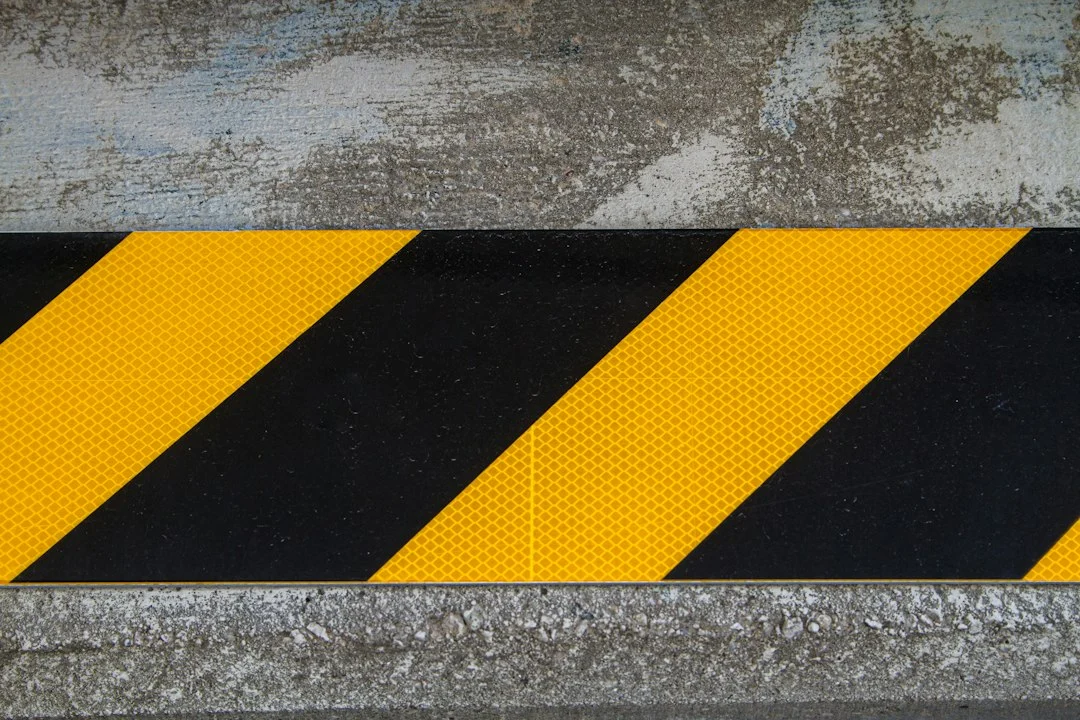
At its core, warning tape (also called safety tape or hazard tape) is a high‑visibility, durable strip of material designed to alert people to potential dangers. It typically features:
- Bright colors – most common are neon orange, yellow, and red.
- Contrasting patterns – diagonal stripes, chevrons, or checkerboards increase visual detection.
- Reflective backing – ensures visibility in low‑light or night‑time conditions.
- Injury Prevention – A 2019 OSHA study found that clear visual warnings reduce site accidents by up to 35 %.
- Cost Savings – Fewer injuries mean lower workers’ comp premiums and less downtime.
- Legal Protection – Proper signage demonstrates due diligence, protecting you from liability claims.
- Is the danger temporary (e.g., a trench that will be filled) or permanent (e.g., a high‑voltage line)?
- Does the area have low lighting?
- Will the tape be exposed to weather, chemicals, or UV radiation?
- Standard 3‑inch width works for most applications.
- 6‑inch or wider is ideal for high‑traffic zones where you need a larger visual barrier.
- Custom lengths (pre‑cut or on‑demand) reduce waste and speed up installation.
- Height: Install tape at eye‑level (5‑6 ft) for adult workers, or lower (3‑4 ft) for child‑care or public areas.
- Distance: Keep a minimum clearance of 3 ft from the hazard itself; add extra space for high‑traffic zones.
- Continuity: Ensure the tape forms an unbroken line; gaps can create “blind spots” that defeat the purpose.
- Embedded RFID tags – alert supervisors via handheld scanners when a tape line is breached.
- LED‑integrated strips – self‑illuminating tape that flashes during night shifts, enhancing visibility without external lighting.
- QR‑code labels on tape can link to safety data sheets (SDS) or video walkthroughs of the hazard area.
- AR helmets (e.g., Microsoft HoloLens) overlay virtual warnings onto the physical world, reducing reliance on physical tape for complex environments.
- Biodegradable tape made from PLA (polylactic acid) offers the same visibility but breaks down in composting facilities.
- Re‑usable magnetic warning strips for metal surfaces—no adhesive waste, easy repositioning.
- OSHA 1910.22 – General requirements for walking‑working surfaces, which includes warning tape usage.
- ANSI Z535.1–2020 – Covers the color and design of safety signs, including tape.
- Conduct a short 15‑minute briefing whenever new tape is introduced.
- Use visual aids (photos of proper vs. improper installation) to reinforce learning.
- Incorporate scenario drills—e.g., “What do you do when you see a broken strip?”
These elements work together to trigger a subconscious “stop” response, buying you precious seconds for people to react safely.
Key Types and Their Typical Uses
| Tape Type | Color/Pattern | Ideal Application |
|———–|—————|——————-|
| Standard Hazard Tape | Neon orange with black diagonal stripes | Construction zones, roadwork, temporary barriers |
| Fluorescent Yellow Tape | Bright yellow with black chevrons | Electrical hazards, chemical storage |
| Red Warning Tape | Red with white diagonal stripes | Fire‑related dangers, emergency exits |
| Reflective Safety Tape | Any color with reflective film | Night‑time work, low‑visibility environments |
| UV‑Resistant Tape | Same colors, UV‑stabilized | Outdoor long‑term installations |
Knowing the color code is essential: orange signals “caution,” yellow means “warning,” and red indicates “danger” or “stop.” Most safety professionals follow the ANSI Z535 standard, which aligns color usage with the type of hazard.
Why It Matters for Every Business
—
2. Choosing the Right Warning Tape for Your Application
1️⃣ Identify the Hazard
Before you reach for the nearest roll, ask:
2️⃣ Match the Material to the Environment
| Environment | Recommended Tape | Reason |
|————|——————|——–|
| Construction sites | Heavy‑duty polypropylene with reinforced mesh | Resists tearing from equipment |
| Outdoor chemical storage | UV‑resistant, chemical‑proof vinyl | Prevents degradation from sunlight and spills |
| Indoor warehouses | Lightweight polyester, reflective backing | Easy to install, still visible under fluorescent lights |
| Marine or wet‑area | Waterproof PVC, anti‑slip backing | Stays intact when exposed to water |
3️⃣ Size and Width Matter
4️⃣ Certification & Compliance
Look for tapes that meet ANSI Z535, ISO 7010, or OSHA guidelines. Some manufacturers also provide CE or UL certifications, which can be crucial for projects in Europe or for electrical hazards.
Quick Decision Checklist
1. Hazard type? (Physical, electrical, chemical)
2. Exposure level? (UV, weather, chemicals)
3. Visibility needs? (Daylight vs. night)
4. Required width? (3‑in, 6‑in, custom)
5. Compliance standards? (ANSI, ISO, OSHA)
If you can answer “yes” to all, you’ve likely found the right tape.
—
3. Best Practices for Installation and Maintenance
A. Proper Placement is Power
B. Secure the Tape Correctly
1. Clean the surface – remove dust, oil, or moisture.
2. Use compatible fasteners – stainless‑steel staples for metal, heavy‑duty zip ties for plastic or rope.
3. Avoid over‑tightening – this can cause tearing or distortion of the pattern.
C. Routine Inspection Checklist
| Frequency | What to Check | Action |
|———–|—————|——–|
| Daily (high‑risk sites) | Tape integrity, proper tension, reflective quality | Replace torn sections immediately |
| Weekly (moderate risk) | Color fading, adhesive edge wear | Clean and re‑secure as needed |
| Monthly (low risk) | UV damage, chemical exposure | Swap out UV‑protected tape if discoloration appears |
Document inspections in a logbook or digital app—this not only tracks safety but also satisfies audit requirements.
D. Removal & Disposal
When a hazard is cleared, remove tape promptly to avoid tripping hazards. Most warning tapes are recyclable (polypropylene, PVC). Check local regulations for proper disposal; many municipalities accept them with other plastic waste.
—
4. Innovations and Alternatives in Safety Signage
While classic warning tape remains a staple, technology is expanding the safety toolbox.
1️⃣ Smart Warning Tape
2️⃣ Digital Signage & Augmented Reality
3️⃣ Eco‑Friendly Options
Bottom line: Even if you stick with traditional tape, staying aware of emerging tools can future‑proof your safety program and may qualify you for green‑building credits.
—
5. Compliance, Legal Considerations, and Documentation
OSHA & ANSI Standards
Non‑compliance can result in fines up to $13,653 per violation (2024 rates) and, more importantly, increased risk of injury lawsuits.
Record‑Keeping Best Practices
1. Safety Tape Inventory Log – Track roll numbers, purchase dates, and expiration (if any).
2. Installation Records – Document location, date, installer name, and any special instructions.
3. Inspection Reports – Use a digital checklist that timestamps each inspection; this creates an audit trail.
Training Your Team
Regular training not only improves compliance but also embeds a safety‑first mindset across the workforce.
—
Conclusion: Key Takeaways for a Safer, More Efficient Workplace
1. Warning tape is more than a strip of color – it’s a legally recognized, high‑visibility tool that reduces accidents and protects your bottom line.
2. Choose the right tape by matching color, material, width, and certification to the specific hazard and environment.
3. Install and maintain it correctly: proper placement, secure fastening, and routine inspections keep the warning effective.
4. Stay ahead of the curve with smart, eco‑friendly, and digital alternatives that complement traditional tape.
5. Document everything—from inventory to inspections—and train your crew regularly to stay compliant with OSHA and ANSI standards.
By treating warning tape & more as a strategic component of your safety program, you’ll not only meet regulatory requirements but also foster a culture where every worker feels protected and empowered. So the next time you unroll a fresh roll of neon orange tape, remember: you’re not just marking a boundary—you’re drawing a line between risk and safety.
—
Ready to upgrade your site’s safety? Browse our curated selection of ANSI‑compliant warning tapes, reflective strips, and smart signage solutions today, and experience the peace of mind that comes with truly visible protection.