
No products in the cart.




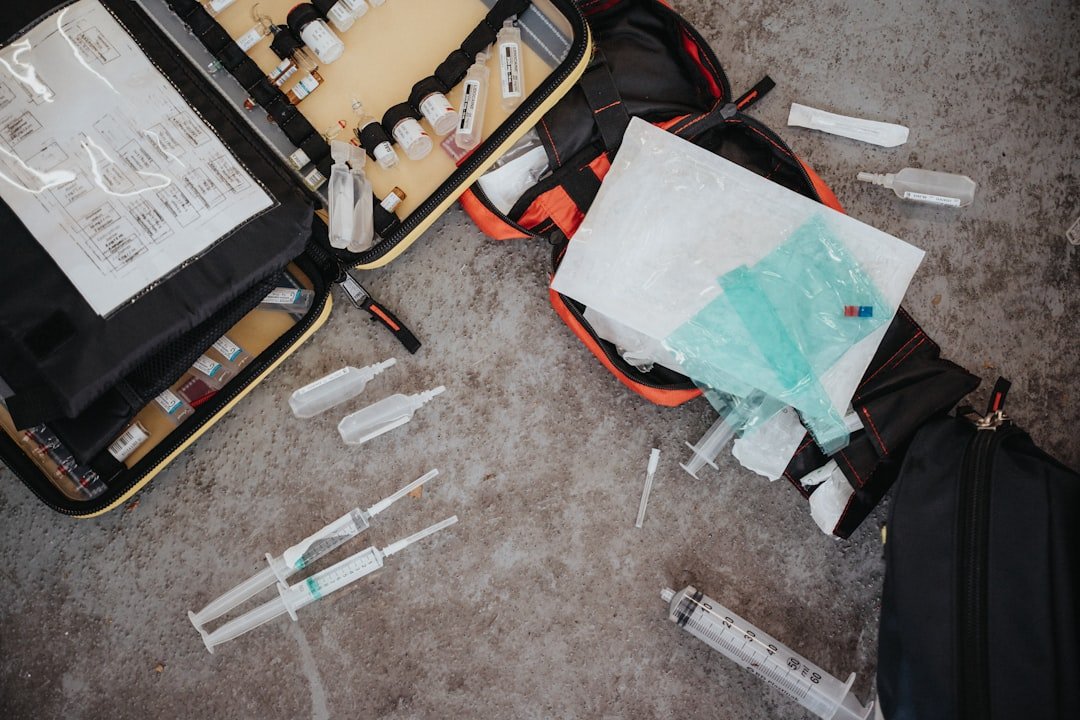
Imagine being in a situation where a hazardous chemical spill occurs, and people’s lives are at risk. The first few minutes are crucial in responding to such an emergency, and having a well-planned chemical and medical response strategy can be the difference between life and death. In this comprehensive guide, we will delve into the world of chemical and medical response, exploring the importance of preparedness, the role of emergency responders, and the essential steps to take in case of a chemical emergency. Whether you are a business owner, a first responder, or simply a concerned citizen, this article will provide you with valuable insights and actionable information to help you navigate the complex world of chemical and medical response.
Understanding the Risks: Chemical Hazards and Their Impact on Human Health
Chemical hazards are a significant concern in various industries, including manufacturing, healthcare, and transportation. The release of hazardous chemicals can have devastating effects on human health, ranging from mild respiratory issues to severe injuries and even death. Some of the most common chemical hazards include toxic gases, flammable liquids, and corrosive substances. It is essential to understand the risks associated with these hazards and take proactive measures to prevent accidents. This can be achieved by implementing proper safety protocols, providing regular training to employees, and conducting regular risk assessments. By being aware of the potential chemical hazards in your environment, you can take the necessary steps to mitigate the risks and ensure a safe and healthy workplace.
The Role of Emergency Responders: Training and Equipping for Chemical Emergencies
Emergency responders, including firefighters, paramedics, and police officers, play a critical role in responding to chemical emergencies. These individuals are trained to handle hazardous situations, and their expertise is crucial in minimizing the impact of a chemical spill or release. However, responding to chemical emergencies requires specialized training and equipment. Emergency responders must be equipped with personal protective equipment (PPE), including respirators, gloves, and suits, to prevent exposure to hazardous chemicals. They must also be trained in the use of specialized equipment, such as chemical detectors and decontamination systems. Furthermore, emergency responders must be familiar with the Incident Command System (ICS), which provides a framework for managing emergency responses. By providing emergency responders with the necessary training and equipment, we can ensure that they are prepared to respond effectively to chemical emergencies.
Developing a Chemical and Medical Response Plan: A Step-by-Step Guide
Developing a chemical and medical response plan is essential for any organization that handles hazardous chemicals. This plan should outline the procedures for responding to a chemical emergency, including evacuation procedures, first aid, and communication protocols. Here are some steps to follow when developing a chemical and medical response plan:
1. Conduct a risk assessment: Identify the potential chemical hazards in your workplace and assess the risks associated with each hazard.
2. Develop an emergency response team: Assemble a team of trained individuals who can respond to chemical emergencies.
3. Establish communication protocols: Develop a communication plan that includes procedures for alerting emergency responders and notifying nearby facilities.
4. Provide training and equipment: Ensure that emergency responders have the necessary training and equipment to respond to chemical emergencies.
5. Regularly review and update the plan: Review and update the plan regularly to ensure that it remains effective and relevant.
By following these steps, you can develop a comprehensive chemical and medical response plan that will help you respond effectively to chemical emergencies.
Medical Response: Providing Care in a Chemical Emergency
In the event of a chemical emergency, medical response is critical. Medical responders must be trained to provide care to individuals who have been exposed to hazardous chemicals. This includes providing first aid, administering antidotes, and transporting patients to medical facilities. Medical responders must also be aware of the potential health effects of chemical exposure, including respiratory problems, skin irritation, and neurological damage. By providing prompt and effective medical care, we can minimize the impact of a chemical emergency and prevent long-term health consequences.
In conclusion, chemical and medical response is a critical aspect of emergency preparedness. By understanding the risks associated with chemical hazards, providing emergency responders with the necessary training and equipment, developing a comprehensive response plan, and providing medical care in a chemical emergency, we can save lives and prevent injuries. Key takeaways from this guide include:
- Chemical hazards are a significant concern in various industries, and understanding the risks is essential for preventing accidents.
- Emergency responders play a critical role in responding to chemical emergencies, and providing them with the necessary training and equipment is crucial.
- Developing a chemical and medical response plan is essential for any organization that handles hazardous chemicals.
- Medical response is critical in a chemical emergency, and providing prompt and effective care can minimize the impact of the emergency.
By following these guidelines and taking proactive measures to prevent chemical emergencies, we can create a safer and healthier environment for everyone. Remember, preparation is key to saving lives, and having a well-planned chemical and medical response strategy can make all the difference in an emergency situation.