
No products in the cart.
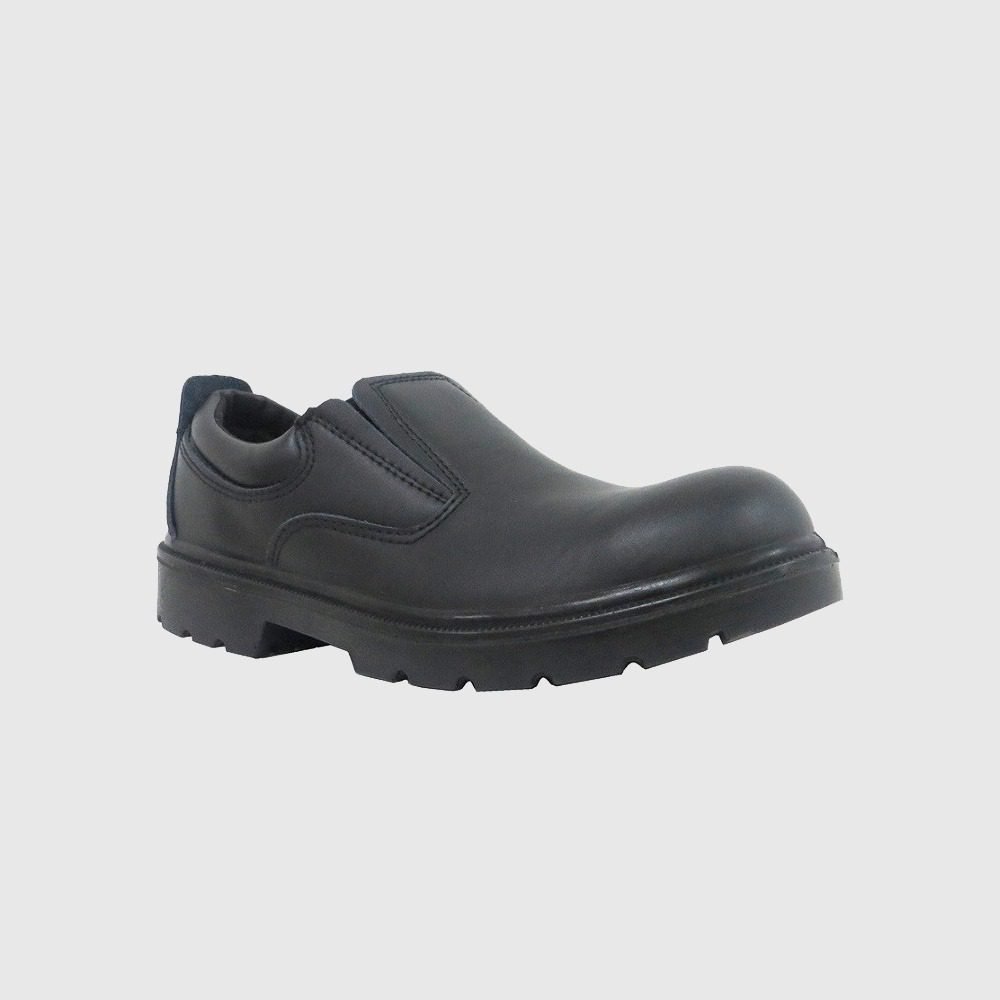
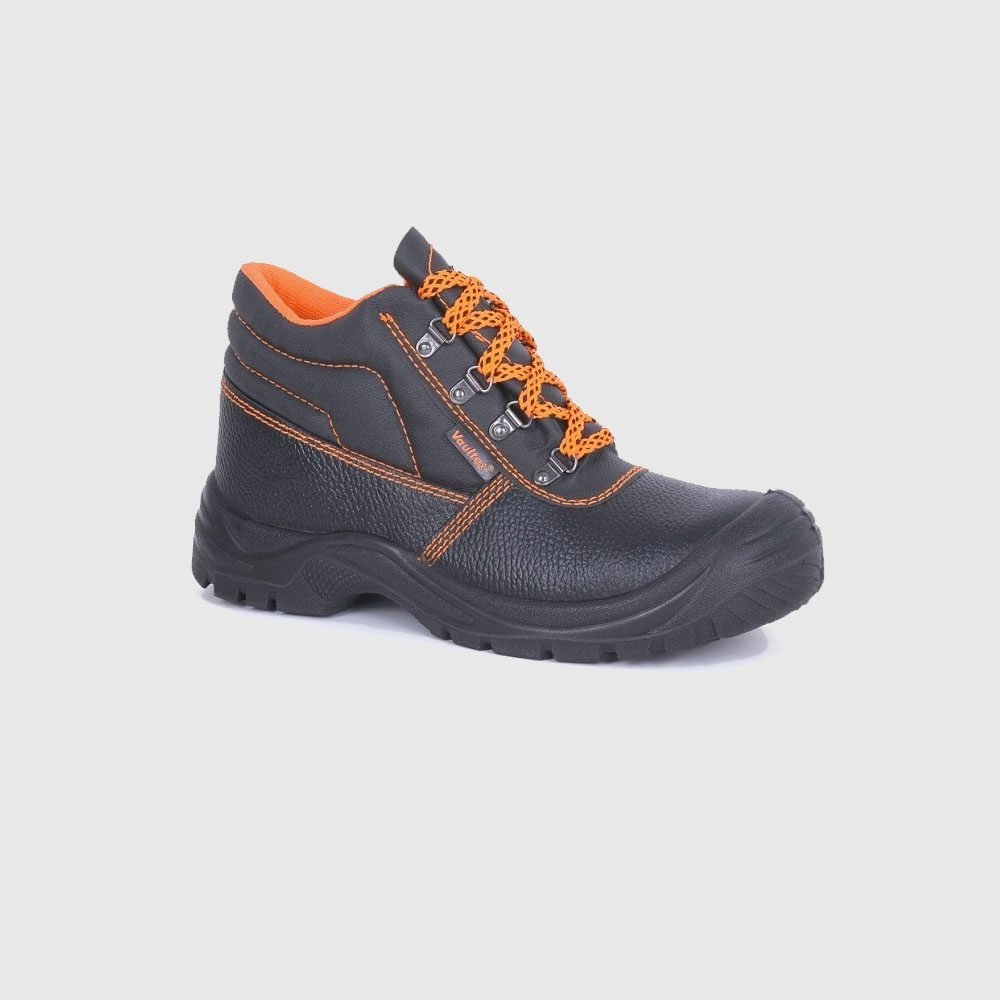
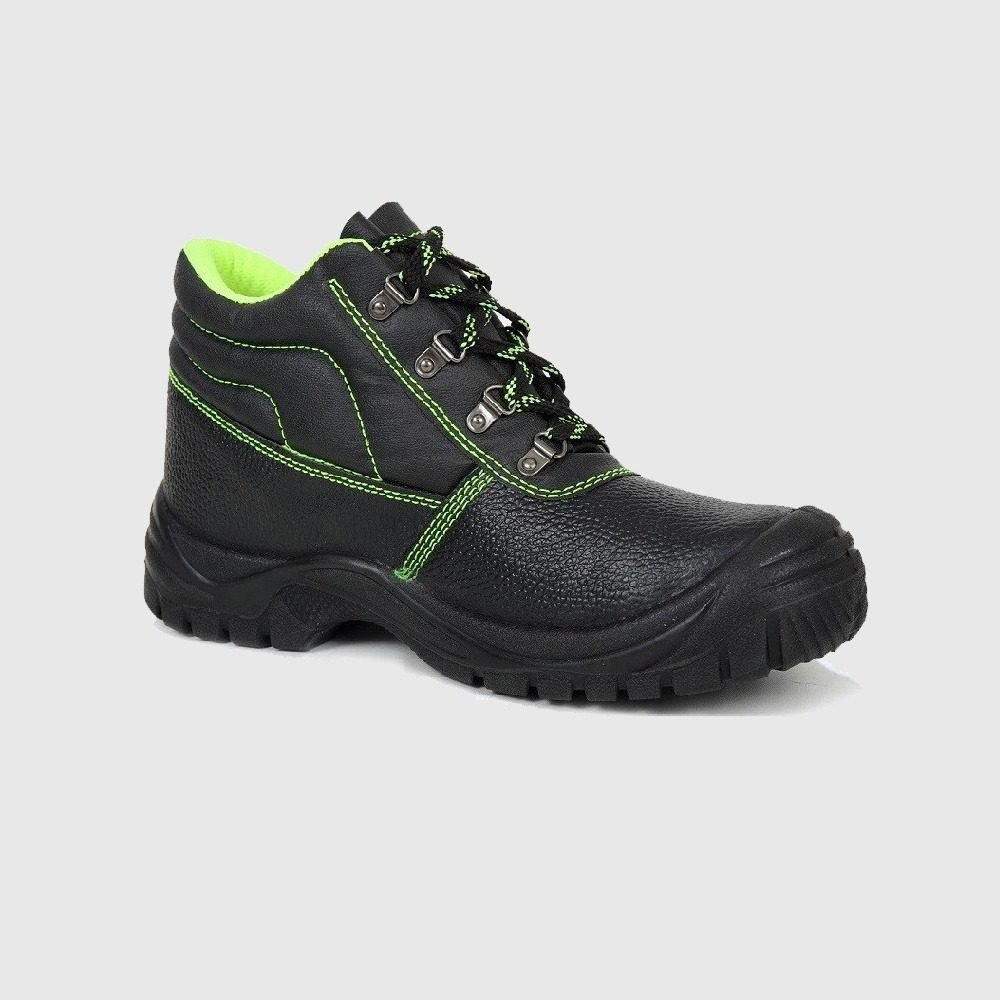
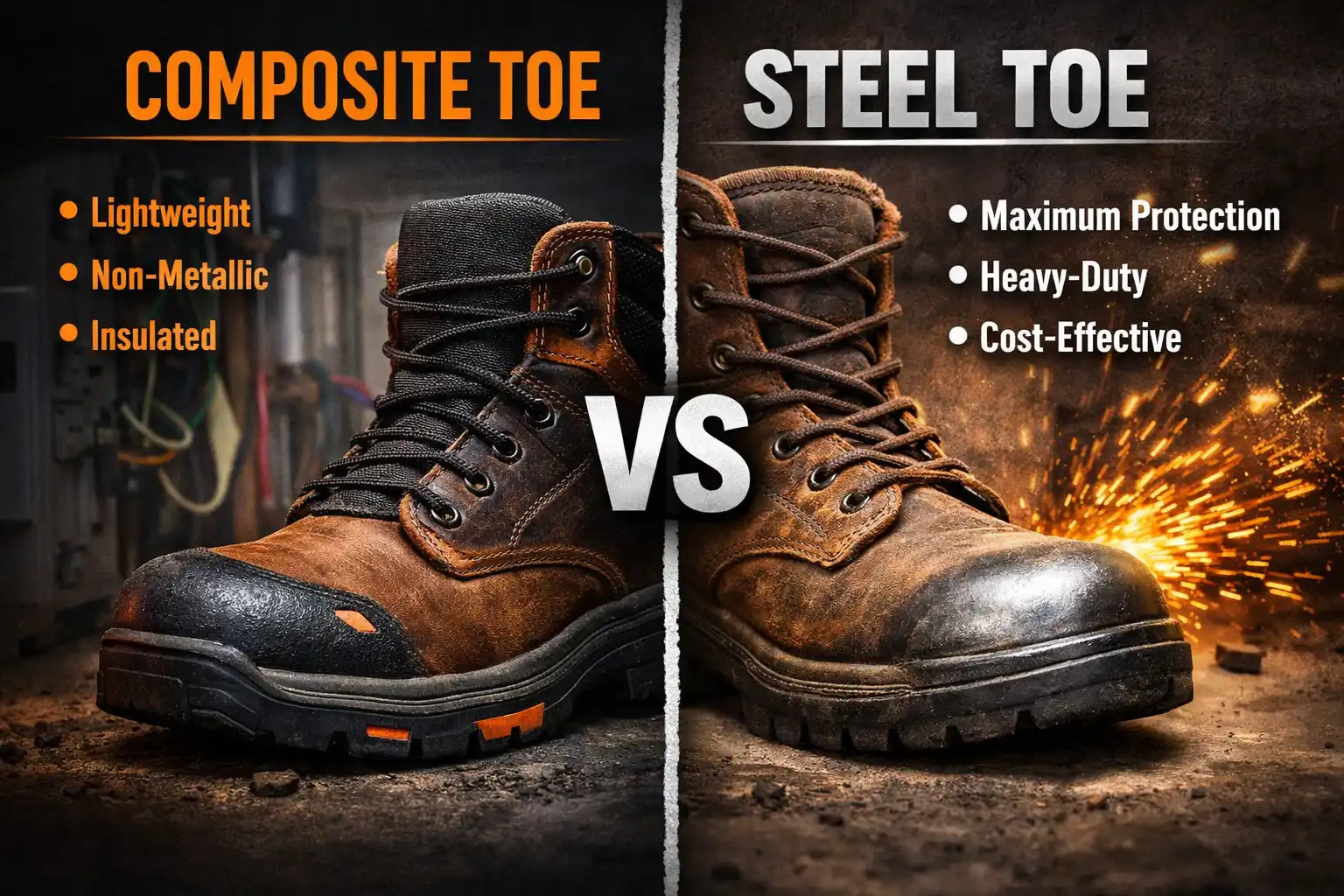
As you step into the bustling world of warehouses, the sound of machinery, the hum of forklifts, and the chatter of colleagues fill the air. But amidst the chaos, there’s a critical aspect that demands attention: foot safety. In an environment where heavy objects, sharp edges, and hazardous materials are ever-present, the right footwear can be the difference between a safe day and a trip to the emergency room. That’s why we’re about to dive into the ultimate showdown: Steel-Toe Boots vs Composite-Toe Boots for warehouses. Which one will come out on top, and what do you need to know to make an informed decision?
Understanding the Basics: Toe Protection 101
Before we dive into the nitty-gritty of steel-toe vs composite-toe boots, it’s essential to understand the importance of toe protection in a warehouse setting. According to the Occupational Safety and Health Administration (OSHA), foot injuries are a leading cause of workplace accidents, with over 60,000 reported cases annually. The primary culprit? Heavy objects falling on toes. That’s where safety toe boots come in – designed to protect your toes from crushing and puncture hazards. But what’s the difference between steel-toe and composite-toe boots?
Steel-toe boots feature a steel cap or plate embedded in the toe box, providing a robust barrier against heavy objects. They’re often heavier and more expensive than their composite counterparts but offer unparalleled protection. On the other hand, composite-toe boots use non-metallic materials like carbon fiber, plastic, or fiberglass to create the toe cap. These boots are generally lighter, more flexible, and less expensive than steel-toe boots.
Steel-Toe Boots: The Heavy-Hitters
Steel-toe boots have been the gold standard for warehouse safety footwear for decades. Their steel caps provide excellent protection against heavy objects, and they’re often required in industries where the risk of toe injury is high. Some benefits of steel-toe boots include:
- Superior protection: Steel-toe boots can withstand incredibly heavy loads, making them ideal for workplaces where heavy machinery and equipment are present.
- Durability: Steel-toe boots are often more durable than composite-toe boots, with some models featuring waterproof membranes and rugged outsoles.
- Compliance: Steel-toe boots meet or exceed OSHA and ASTM standards for toe protection, ensuring compliance with workplace safety regulations.
- Heavy: Steel-toe boots are often heavier than composite-toe boots, which can lead to fatigue and discomfort during long work shifts.
- Conductive: Steel-toe boots can conduct electricity, making them a poor choice for workplaces with electrical hazards.
- Expensive: High-quality steel-toe boots can be pricey, especially when compared to composite-toe boots.
- Lightweight: Composite-toe boots are often significantly lighter than steel-toe boots, reducing fatigue and discomfort during long work shifts.
- Flexible: Composite-toe boots are more flexible than steel-toe boots, allowing for a greater range of motion and improved comfort.
- Affordable: Composite-toe boots are often less expensive than steel-toe boots, making them an attractive option for workplaces with tight budgets.
- Less protective: Composite-toe boots may not provide the same level of protection as steel-toe boots, especially against extremely heavy objects.
- Less durable: Composite-toe boots may be less durable than steel-toe boots, with some models featuring less rugged outsoles and materials.
- Non-compliant: Some composite-toe boots may not meet OSHA and ASTM standards for toe protection, so it’s essential to choose a compliant model.
- Workplace hazards: Assess the specific hazards present in your workplace, including heavy objects, sharp edges, and electrical hazards.
- Personal comfort: Choose a boot that provides excellent comfort and support, reducing the risk of fatigue and discomfort during long work shifts.
- Compliance: Ensure the boot meets or exceeds OSHA and ASTM standards for toe protection, ensuring compliance with workplace safety regulations.
- Steel-toe boots provide superior protection against heavy objects but can be heavy, conductive, and expensive.
- Composite-toe boots offer excellent lightweight protection but may be less protective, less durable, and non-compliant.
- Choose a boot that meets or exceeds OSHA and ASTM standards for toe protection and assess workplace hazards, personal comfort, and compliance when making your decision.
- Prioritize protection, comfort, and compliance to kick-start safety in your warehouse.
However, steel-toe boots also have some drawbacks. They can be:
Composite-Toe Boots: The Lightweight Contenders
Composite-toe boots have gained popularity in recent years, thanks to their lightweight design and excellent protection. Some benefits of composite-toe boots include:
However, composite-toe boots also have some limitations. They can be:
Choosing the Right Boot for Your Warehouse
So, which type of boot is right for your warehouse? The answer depends on your specific workplace hazards and needs. If you work in an environment with heavy machinery, falling objects, and high-risk hazards, steel-toe boots may be the better choice. However, if you work in a warehouse with lighter hazards, composite-toe boots could provide an excellent balance of protection and comfort.
When choosing between steel-toe and composite-toe boots, consider the following factors:
Conclusion: Kick-Starting Safety with the Right Boot
In the world of warehouses, foot safety is paramount. By choosing the right safety toe boot, you can reduce the risk of injury, improve comfort, and boost productivity. Whether you opt for steel-toe or composite-toe boots, remember to prioritize protection, comfort, and compliance. With the right boot on your feet, you’ll be kick-starting safety and taking the first step towards a safer, healthier workplace.
Key Takeaways: