
No products in the cart.

As we go about our daily lives, whether at work or play, our feet are often the unsung heroes that bear the brunt of our activities. From navigating treacherous terrain to withstanding the rigors of industrial environments, our feet need protection to prevent injuries and ensure our overall well-being. This is where safety shoes come in – a crucial piece of personal protective equipment (PPE) designed to safeguard our feet from harm. But with so many options available, how do you choose the right type of safety shoe for your needs? In this article, we’ll delve into the world of high-ankle and low-ankle safety shoes, exploring their differences, benefits, and drawbacks to help you make an informed decision.
Understanding the Basics: High-Ankle vs Low-Ankle Safety Shoes
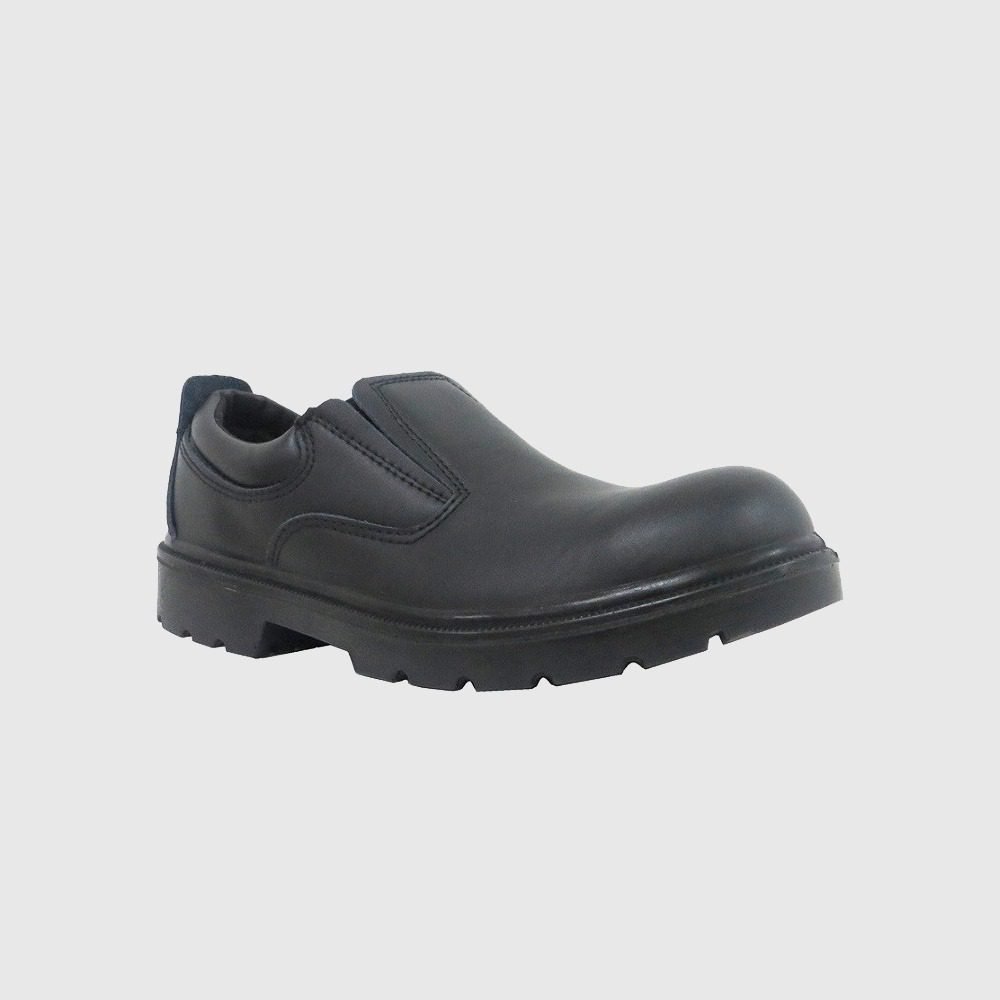
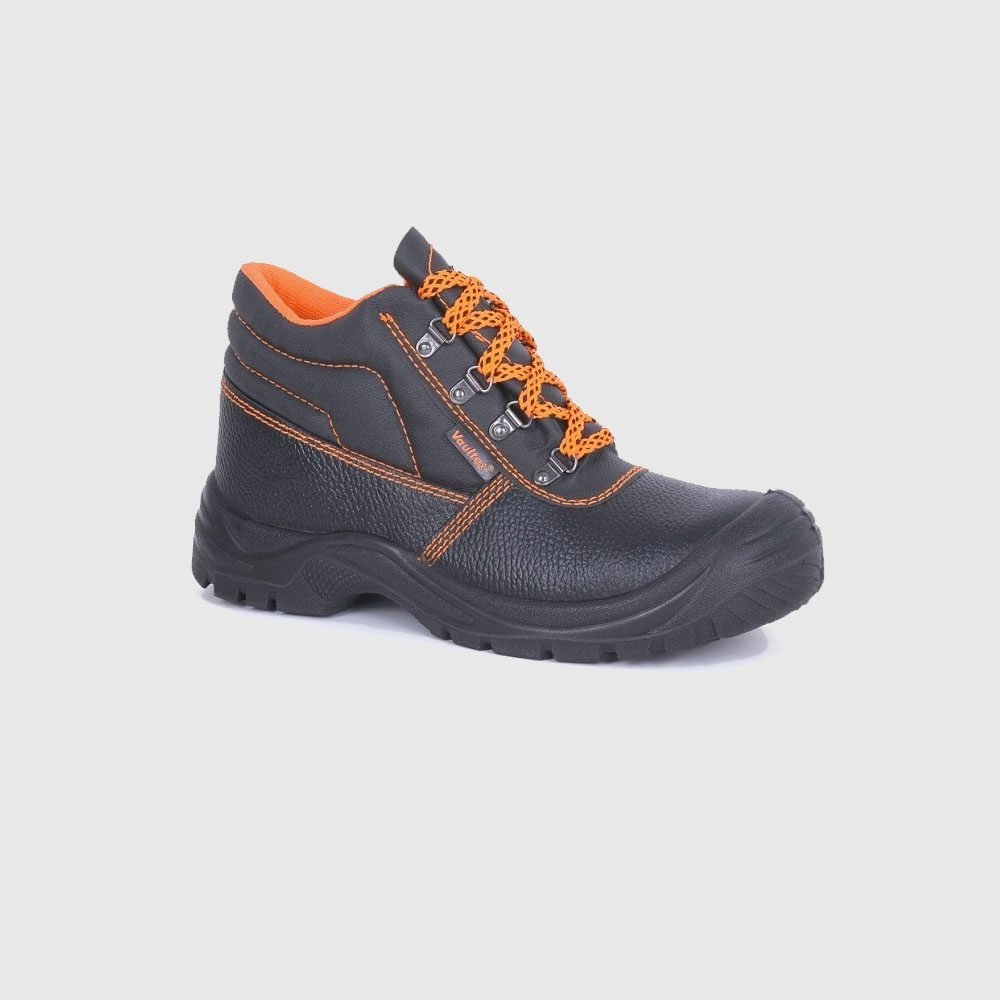
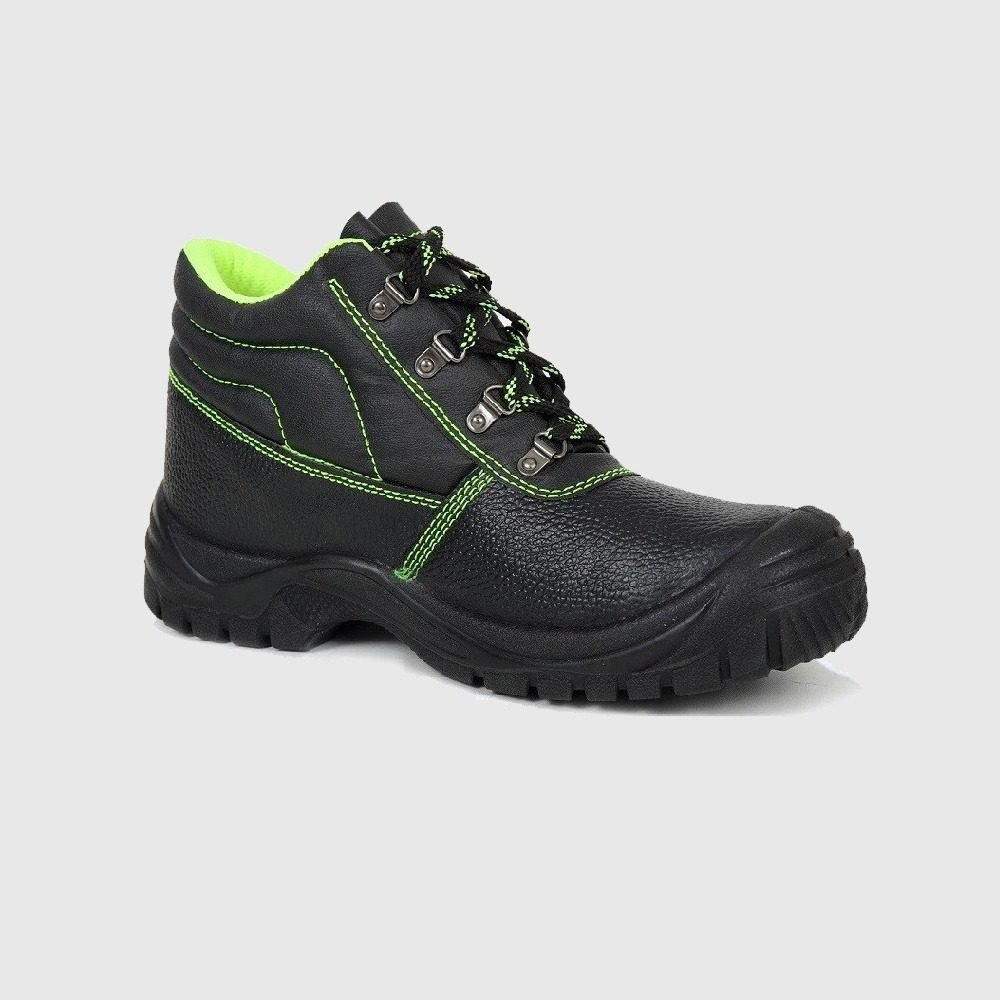
Before we dive into the nitty-gritty, let’s define what high-ankle and low-ankle safety shoes are. High-ankle safety shoes, also known as high-top safety shoes, have a higher cut that covers the ankle bone, providing additional support and protection. On the other hand, low-ankle safety shoes, or low-top safety shoes, have a lower cut that stops below the ankle bone, offering more flexibility and mobility. Both types of shoes are designed to provide protection against hazards such as heavy objects, sharp edges, and slippery surfaces, but they cater to different needs and preferences.
High-Ankle Safety Shoes: The Pros and Cons
High-ankle safety shoes are ideal for workers who require extra support and protection in hazardous environments, such as construction sites, manufacturing plants, or areas with uneven terrain. The higher cut provides additional stability and prevents debris from entering the shoe, reducing the risk of injury. Some of the benefits of high-ankle safety shoes include:
- Enhanced ankle support and stability
- Improved protection against heavy objects and sharp edges
- Better suited for rugged terrain and outdoor work
- Often feature additional safety features, such as metatarsal guards and puncture-resistant plates
- Reduced mobility and flexibility
- May be heavier and more cumbersome
- Can be hotter and more uncomfortable in warm weather
- May not be suitable for workers who need to climb ladders or work in confined spaces
- Improved mobility and flexibility
- Lighter and more comfortable
- Better suited for indoor work and smooth surfaces
- Often more affordable than high-ankle safety shoes
- Reduced ankle support and stability
- May not provide adequate protection against heavy objects and sharp edges
- Not suitable for workers who require extra support and protection in hazardous environments
- Work environment: If you work in a hazardous environment with heavy objects, sharp edges, and uneven terrain, high-ankle safety shoes may be the better choice. If you work in a relatively safe environment with smooth surfaces, low-ankle safety shoes may be sufficient.
- Job requirements: If your job requires extra support and protection, such as construction or manufacturing, high-ankle safety shoes may be necessary. If your job requires more mobility and flexibility, such as warehouse work or delivery, low-ankle safety shoes may be more suitable.
- Personal preferences: If you prioritize comfort and mobility, low-ankle safety shoes may be the better choice. If you prioritize support and protection, high-ankle safety shoes may be the way to go.
- High-ankle safety shoes provide extra support and protection in hazardous environments
- Low-ankle safety shoes offer more mobility and flexibility in relatively safe environments
- Consider your work environment, job requirements, and personal preferences when choosing a safety shoe
- Prioritize comfort, mobility, and protection when selecting a safety shoe
However, high-ankle safety shoes may not be the best choice for everyone. Some of the drawbacks include:
Low-Ankle Safety Shoes: The Pros and Cons
Low-ankle safety shoes, on the other hand, are perfect for workers who require more flexibility and mobility in their daily activities, such as warehouse workers, delivery personnel, or those who work in office settings. The lower cut allows for a greater range of motion, making it easier to move around and perform tasks that require agility. Some of the benefits of low-ankle safety shoes include:
However, low-ankle safety shoes may not provide the same level of protection as high-ankle shoes. Some of the drawbacks include:
Choosing the Right Safety Shoe for Your Needs
So, how do you choose between high-ankle and low-ankle safety shoes? The answer depends on your specific work environment, job requirements, and personal preferences. Here are some factors to consider:
Conclusion: Key Takeaways
In conclusion, choosing the right safety shoe for your needs is crucial to preventing injuries and ensuring your overall well-being. High-ankle and low-ankle safety shoes cater to different needs and preferences, and understanding their differences is essential to making an informed decision. Remember to consider your work environment, job requirements, and personal preferences when choosing between high-ankle and low-ankle safety shoes. By doing so, you’ll be able to step up your safety game and protect your feet from harm. Key takeaways include:
By following these guidelines and considering your specific needs, you’ll be able to choose the right safety shoe for your job and ensure a safe and healthy work environment.